
China lunar exploration plans have drawn attention to the Moon’s south pole and future research infrastructure. This October 2025 overview considers the programme’s scientific goals and possible long-term implications. However, lunar tourism remains speculative rather than an available holiday product.
China Lunar Exploration: Chang’e-7 and Polar Resources
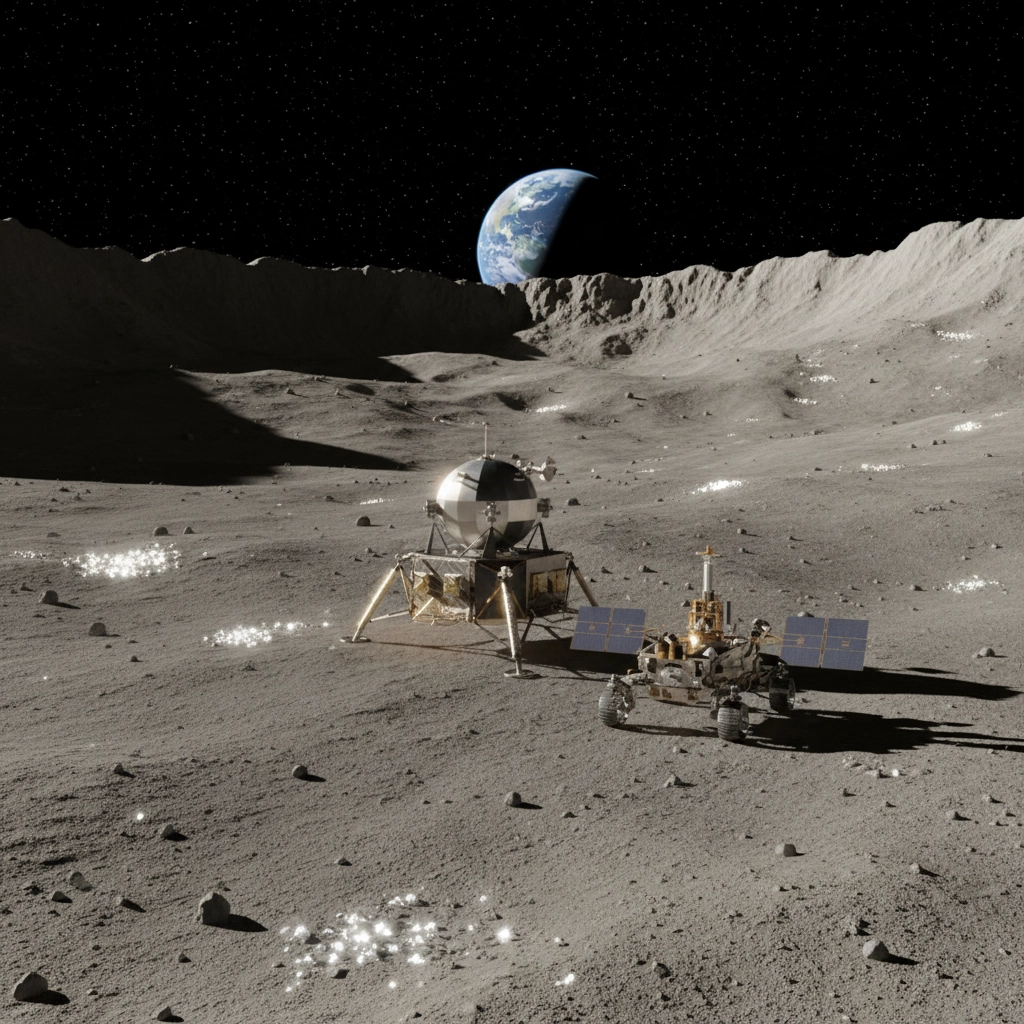
Chang’e-7 was planned to investigate the south polar environment, including water ice and other volatile materials. For example, permanently shadowed regions may preserve resources that differ from sunlit areas. Detailed measurements could help researchers understand their distribution and accessibility.
The mission would build on earlier lunar research. Therefore, it should not be described as the first discovery of water on the Moon. Scientists already have evidence of lunar water, while major questions remain about deposits and practical extraction.
China lunar exploration could contribute useful resource data. However, detecting water is different from producing a reliable supply for future crews. Mining, processing and storage would require additional technology and infrastructure.
The International Lunar Research Station
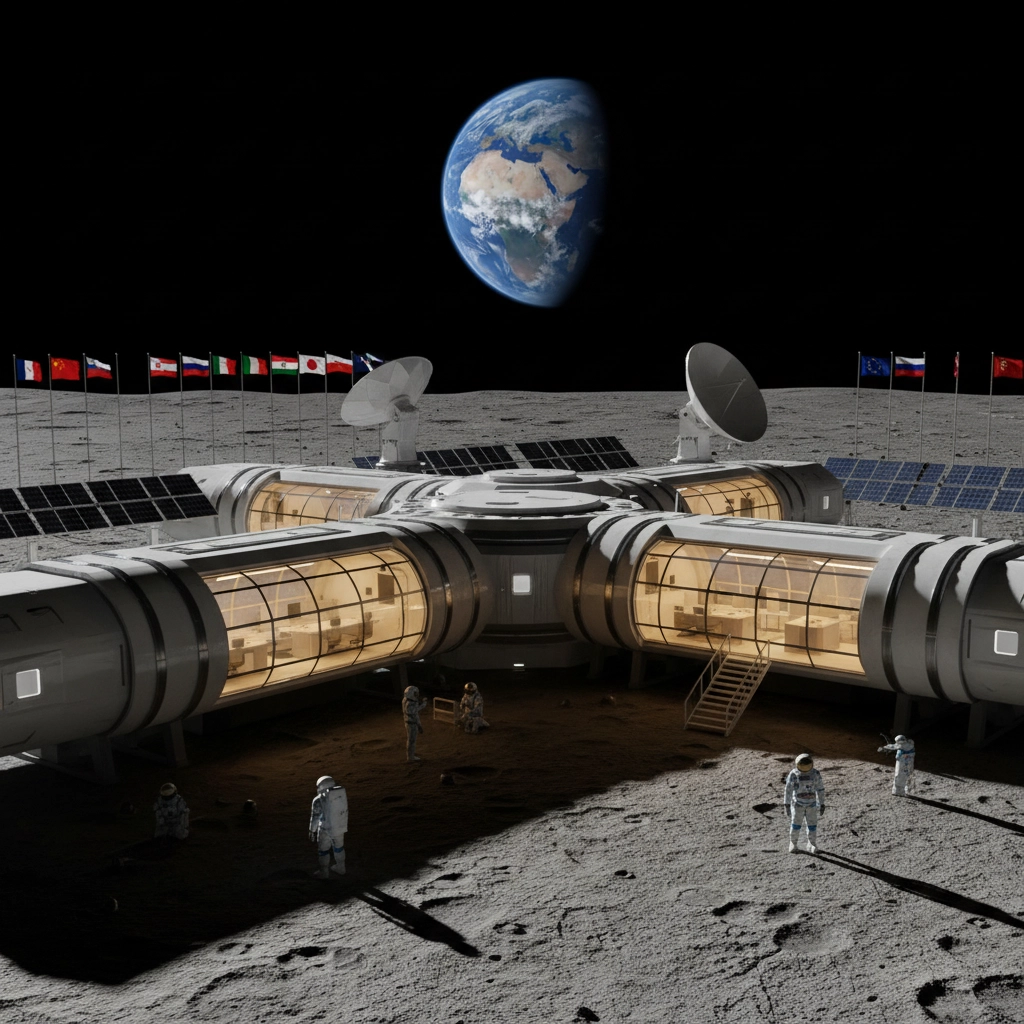
China and its partners have proposed the International Lunar Research Station, known as ILRS. According to the programme’s stated roadmap, a basic model would be established by 2035. Subsequently, an expanded version would follow in the 2040s.
China lunar exploration plans link robotic missions with this broader research effort. Chang’e-7 and Chang’e-8 are intended to contribute to the basic station. See the official April 2025 ILRS programme overview for the proposed phases.
Nevertheless, a roadmap is not a completed facility. Research stations also have different requirements from hotels. The proposal does not establish passenger fares, tourist accommodation or routine public access.
Reusable Rockets and Launch Access
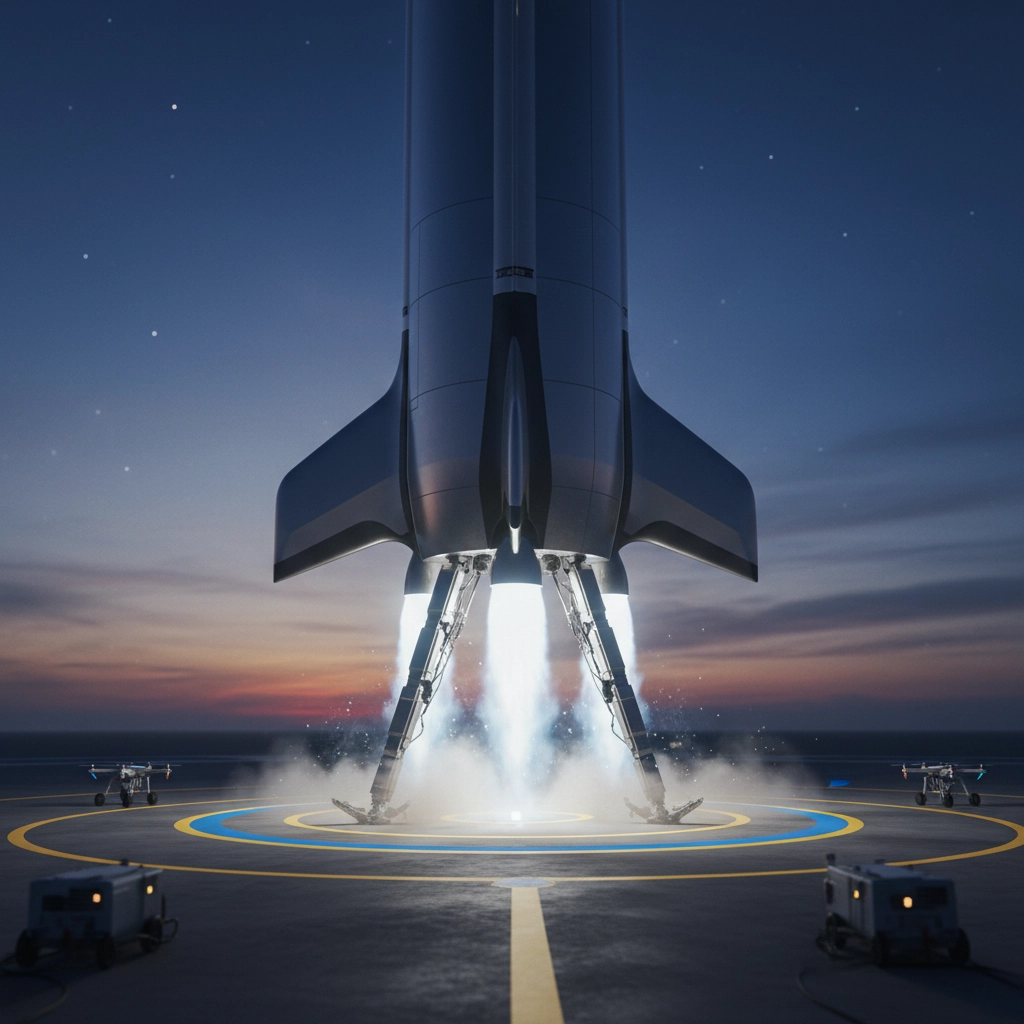
Chinese companies are also developing reusable launch systems. For instance, LandSpace’s Zhuque-3 programme aims to develop reusable transport capabilities. Such projects address launch operations rather than providing immediate evidence of affordable lunar passenger travel.
In addition, reusability may reduce some costs if vehicles perform reliably and fly frequently. However, total pricing includes development, maintenance and operations. Consequently, cheaper launches do not automatically translate into inexpensive Moon holidays.
China Lunar Exploration and Possible Future Tourism
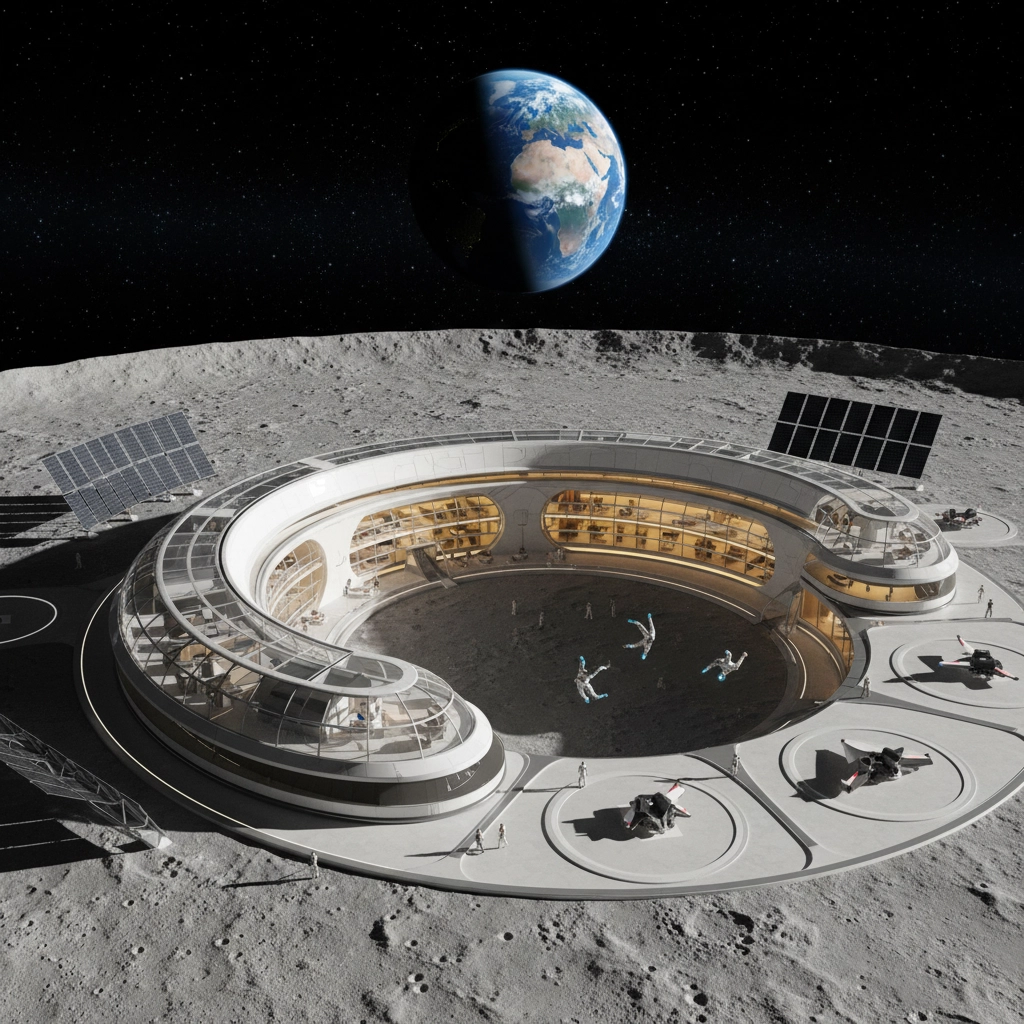
Scientific infrastructure could eventually support wider human activity. For example, resource surveys and communications systems may inform later missions. Yet a research programme does not promise that paying tourists will join supply flights or visit historical landing sites.
China lunar exploration therefore offers a reason to follow scientific progress. It also highlights the gap between ambitious concepts and operational services. Future passenger missions would need suitable vehicles, life support, medical preparation and regulatory arrangements.
International Cooperation and Practical Challenges
International partners can contribute instruments, expertise and research objectives. Furthermore, shared work may broaden participation in scientific exploration. However, cooperation does not remove engineering risks or guarantee future tourist access for every nationality.
Long lunar missions face radiation, temperature extremes and demanding logistics. Meanwhile, local resources still require practical ways to extract and use them. Therefore, each development milestone matters more than a confident prediction about mainstream tourism.
China lunar exploration remains a long-term programme with evolving schedules. Readers should treat the dates discussed here as planning targets from the 2025 overview. Consult official mission information for later changes.
Follow the Science and Explore Available Experiences
The programme may expand our knowledge of the Moon and inform future exploration. Nevertheless, it provides no confirmed timetable for lunar hotels or affordable passenger visits. Distinguishing research goals from tourism promises helps readers assess the news realistically.
For existing launch-viewing trips, weightless flights and other space travel enquiries, contact RocketBreaks. Our team can explain available experiences and how they differ from future lunar proposals. You can also read about orbital and suborbital travel.