
Private astronaut missions are expanding access to research aboard the International Space Station. Axiom Mission 4 returned on 15 July 2025 after a 20-day spaceflight, including about 18 days aboard the station. This October 2025 article considers what that achievement means for commercial operations.
Private Astronaut Missions: The Ax-4 Journey
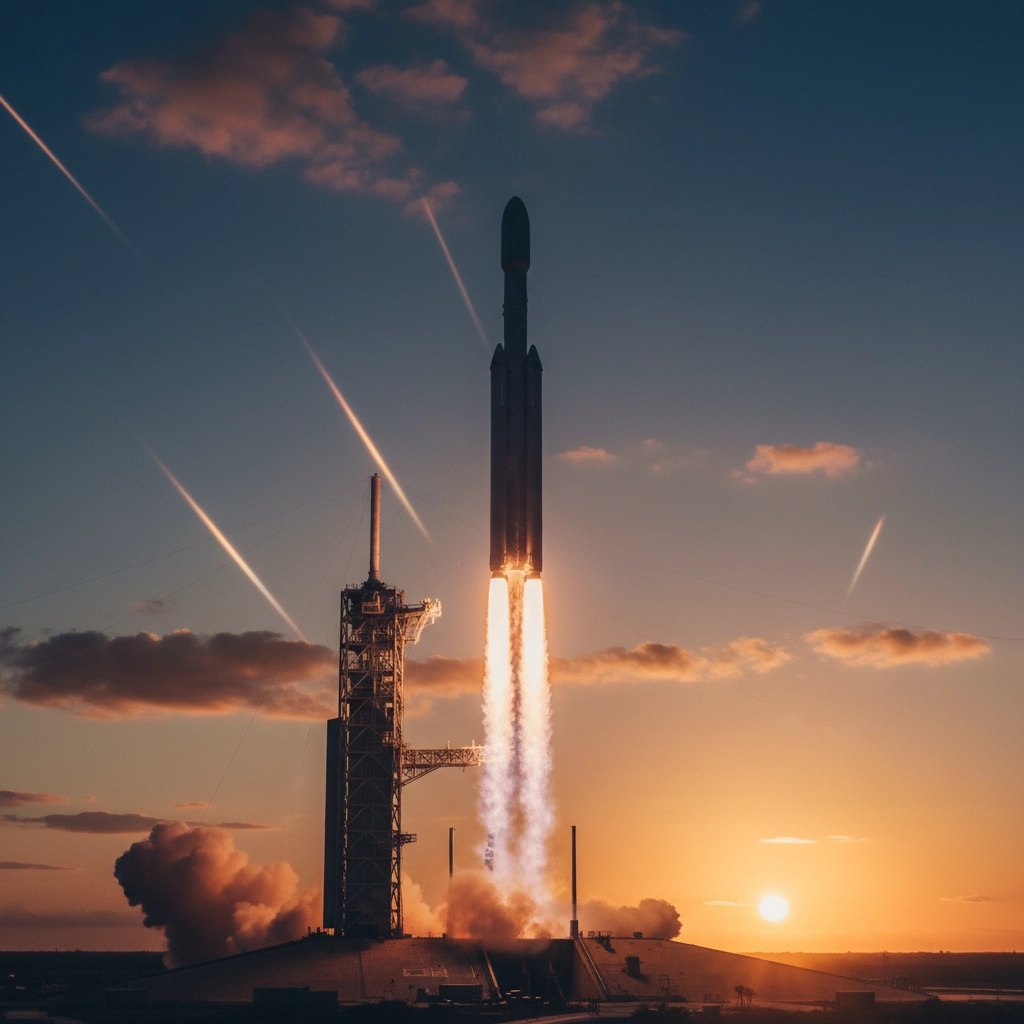
The crew launched on 25 June 2025 aboard a SpaceX Dragon spacecraft carried by Falcon 9. Subsequently, they docked with the station on 26 June. Their visit combined scientific work, educational activities and international cooperation.
Commander Peggy Whitson led Shubhanshu Shukla of India, Sławosz Uznański-Wiśniewski of Poland and Tibor Kapu of Hungary. For those three countries, the mission renewed government-sponsored human spaceflight after more than four decades.
The crew undocked on 14 July and splashed down in the Pacific Ocean off California the following day. Therefore, the return occurred in July, rather than early October. See NASA’s Ax-4 completion report for the confirmed timeline.
Research Alongside the Resident Crew
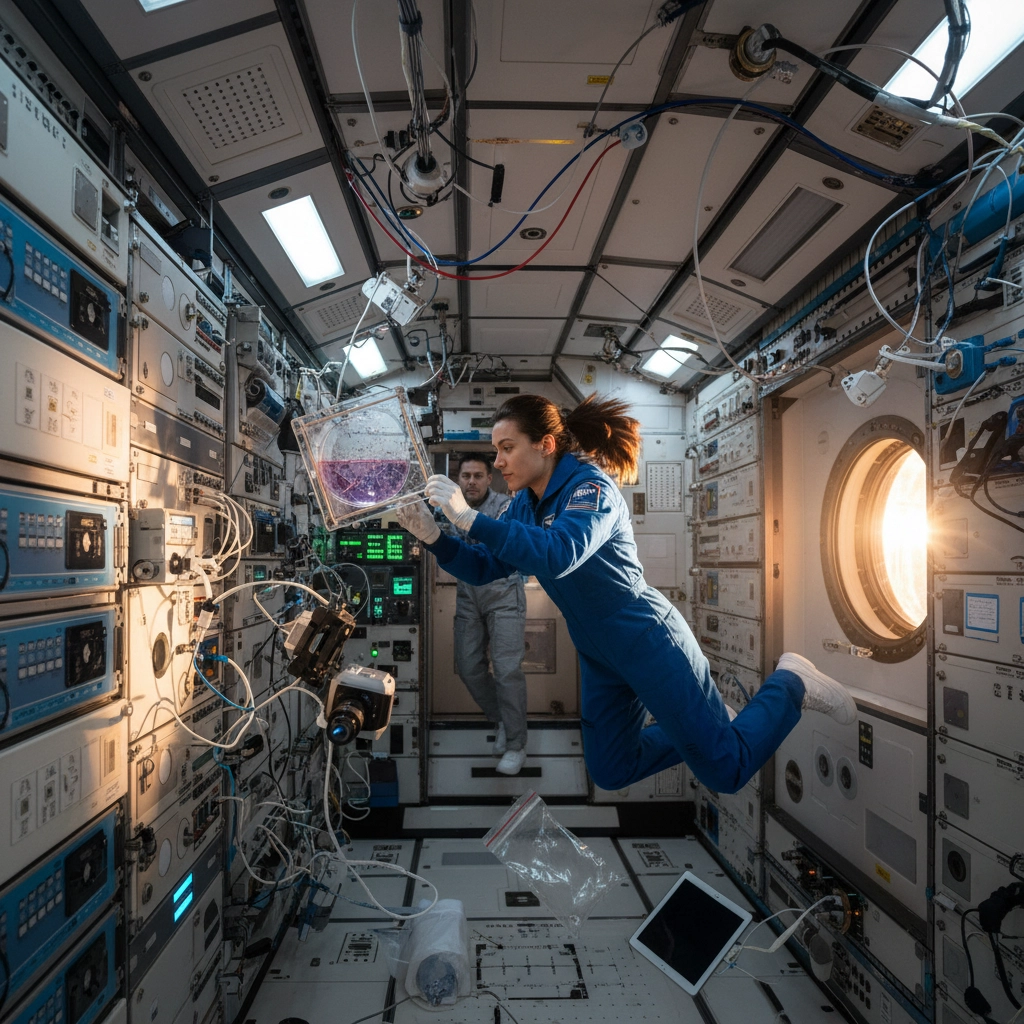
Private astronaut missions can support substantial research programmes. For example, Ax-4 conducted around 60 scientific activities during its visit. The crew also returned research materials and NASA cargo to Earth.
The research spanned multiple disciplines and participating countries. However, completing experiments is different from guaranteeing immediate medical or manufacturing breakthroughs. Researchers still need to analyse results and assess their wider significance.
Furthermore, the mission demonstrates that commercial transport can support government-sponsored astronauts and scientific institutions. Describing every private flight as a tourist holiday misses this important distinction.
Private Astronaut Missions Still Require Careful Preparation
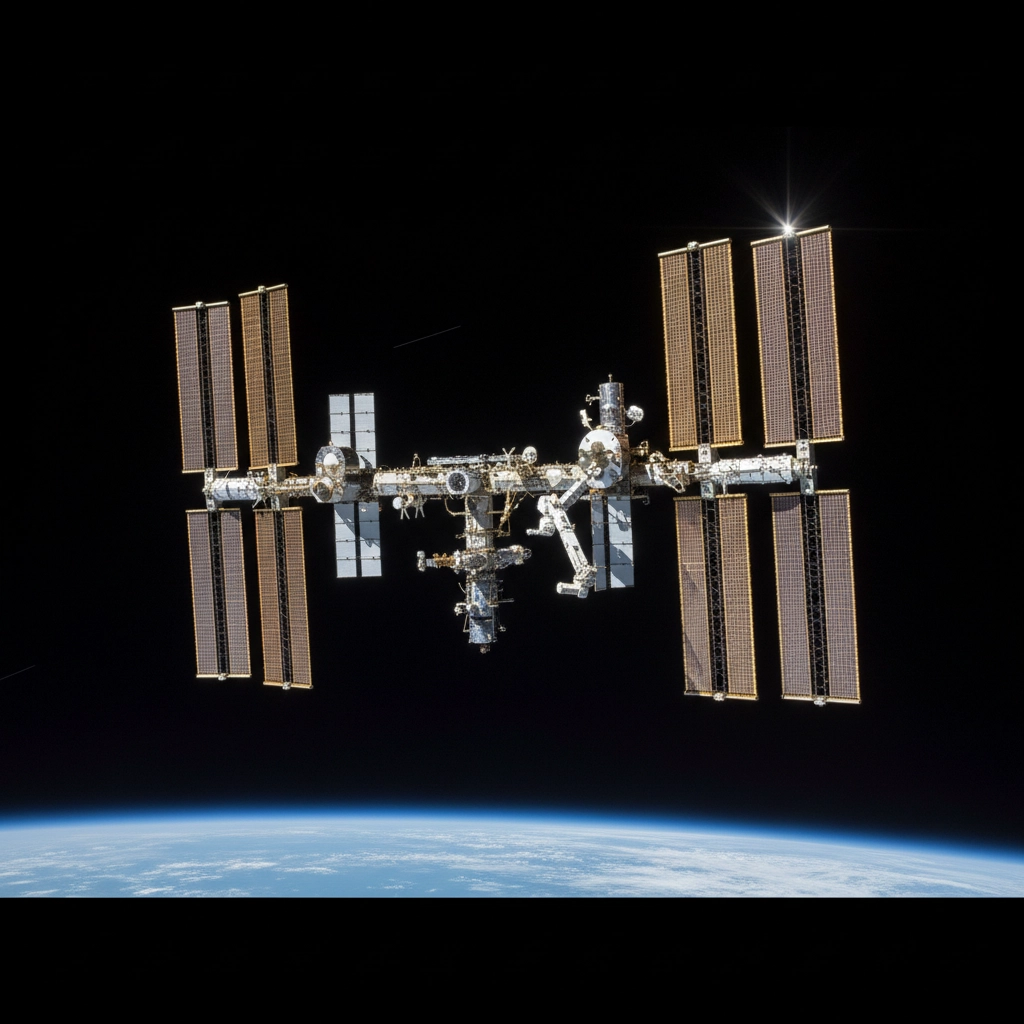
NASA, Axiom Space and international partners coordinate training, schedules and station operations. In addition, visiting crews must work within established safety and operational requirements. Flight experience helps partners improve procedures, but it does not remove complexity.
Private astronaut missions also depend on suitable vehicles, medical assessment and access arrangements. Consequently, they remain specialised undertakings rather than routine house visits. A successful fourth mission is progress, rather than proof that orbital travel has become ordinary airline travel.
For instance, weather, vehicle readiness and station conditions can affect departures and returns. Mission teams need contingency plans throughout the journey. Therefore, dates and activities remain subject to operational constraints.

What the Experience Means for Future Stations
Axiom Space is developing commercial station infrastructure. Meanwhile, NASA is working towards a transition to commercial destinations after the ISS. Operational experience from visiting crews can inform that work.
Private astronaut missions help partners understand customer needs, research logistics and crew coordination. However, future stations still require development, qualification and funding. Their proposed capabilities should not be presented as facilities already available to travellers.

Understanding the Options for Space Travel
Orbital missions involve different preparation and budgets from short suborbital flights. For example, an ISS visit requires extended life support and coordination with the station partnership. You can explore the difference between orbital and suborbital travel in our guide.
Private astronaut missions show that selected participants can live and work in orbit. Nevertheless, access depends on training, medical suitability, availability and substantial resources. The achievement should inspire interest without creating unrealistic booking expectations.
Contact RocketBreaks to discuss available experiences and realistic planning. Our team can explain launch viewing, weightless flights and enquiries about future journeys. Follow our space industry news for further developments.