
The Prospero satellite marked a major achievement in British space history on 28 October 1971. A British Black Arrow rocket placed it in orbit from Woomera, Australia. This October 2025 anniversary article looks back 54 years at that remarkable mission.
The Prospero Satellite and British Launch Ambitions
Britain had already participated in satellite research before the launch. For example, Ariel 1 reached orbit aboard an American rocket in 1962. Black Arrow pursued a different goal: launching a British satellite with a domestically developed vehicle.
The programme involved a compact, three-stage rocket and a series of test flights. However, development brought setbacks as well as progress. Engineers had to address propulsion, guidance and deployment challenges before achieving orbital success.
Black Arrow’s Historic Launch
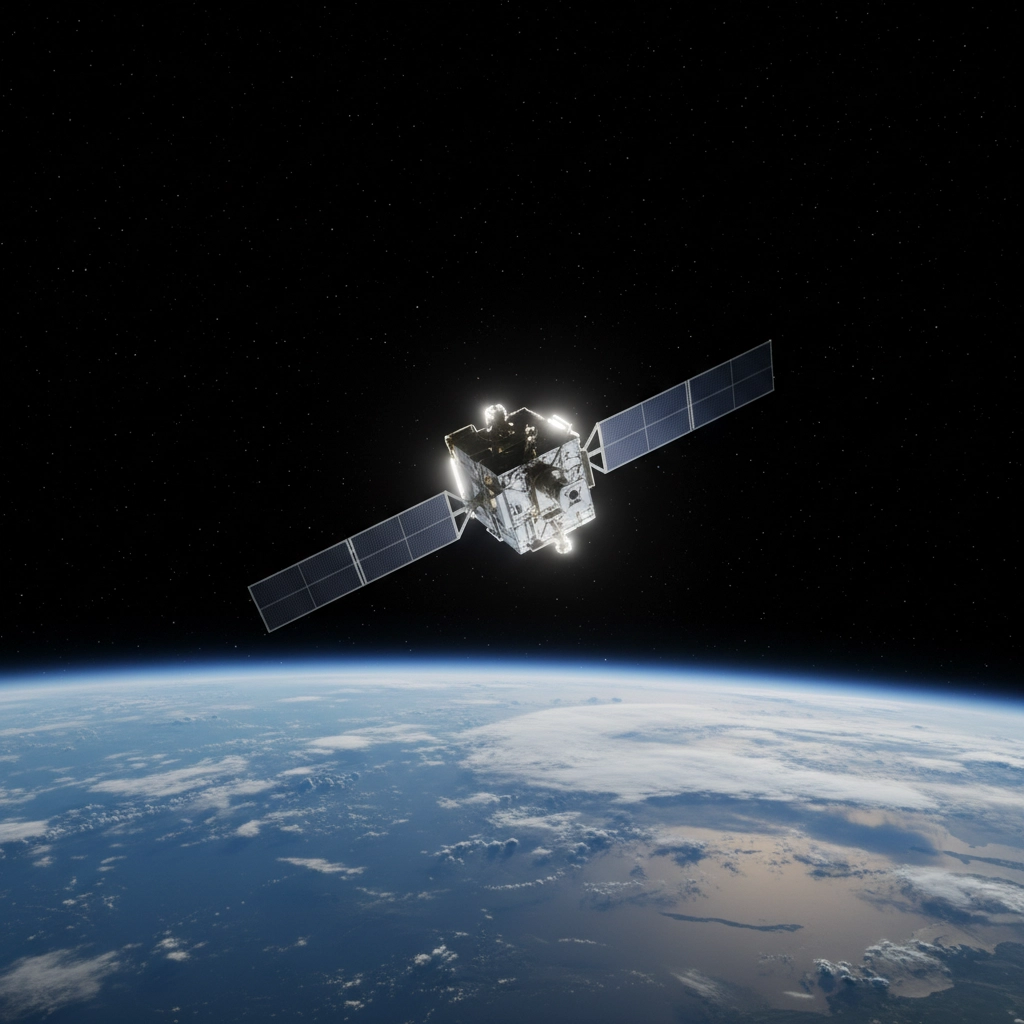
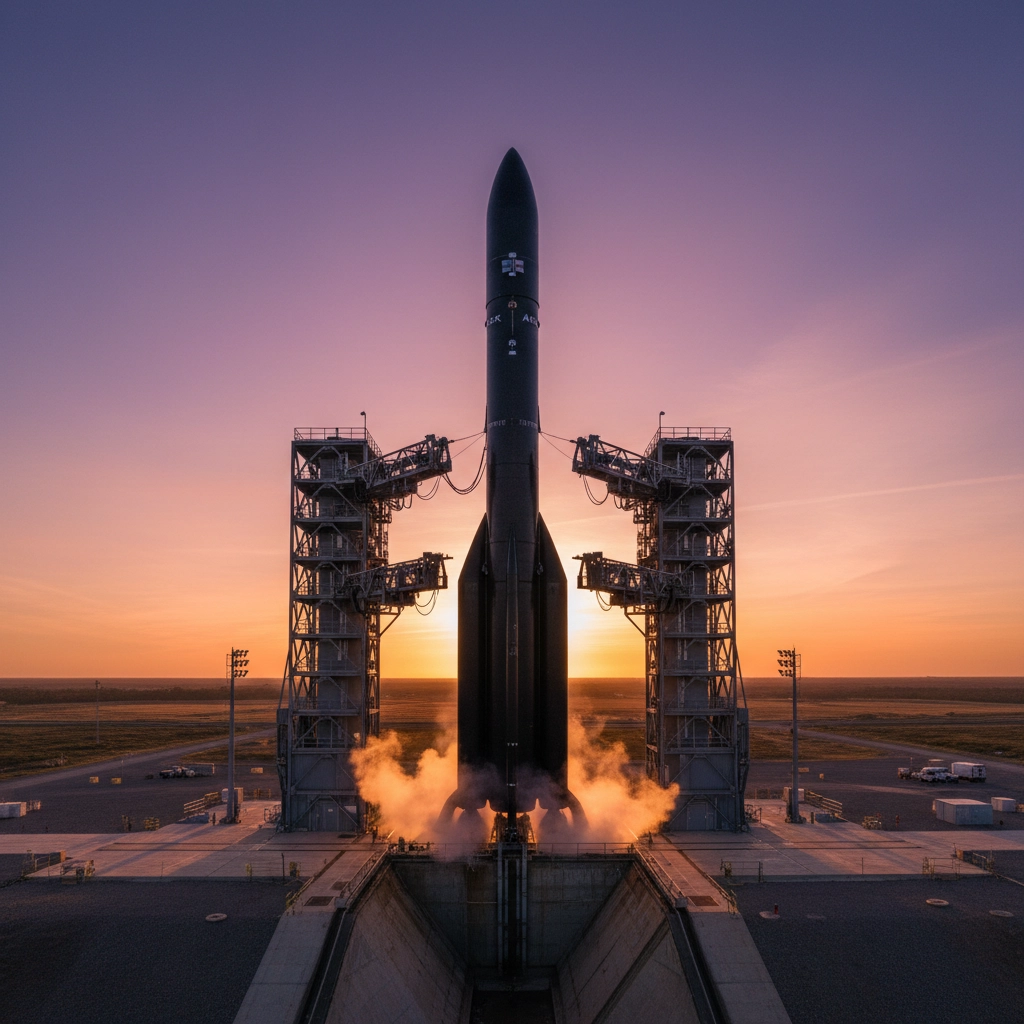
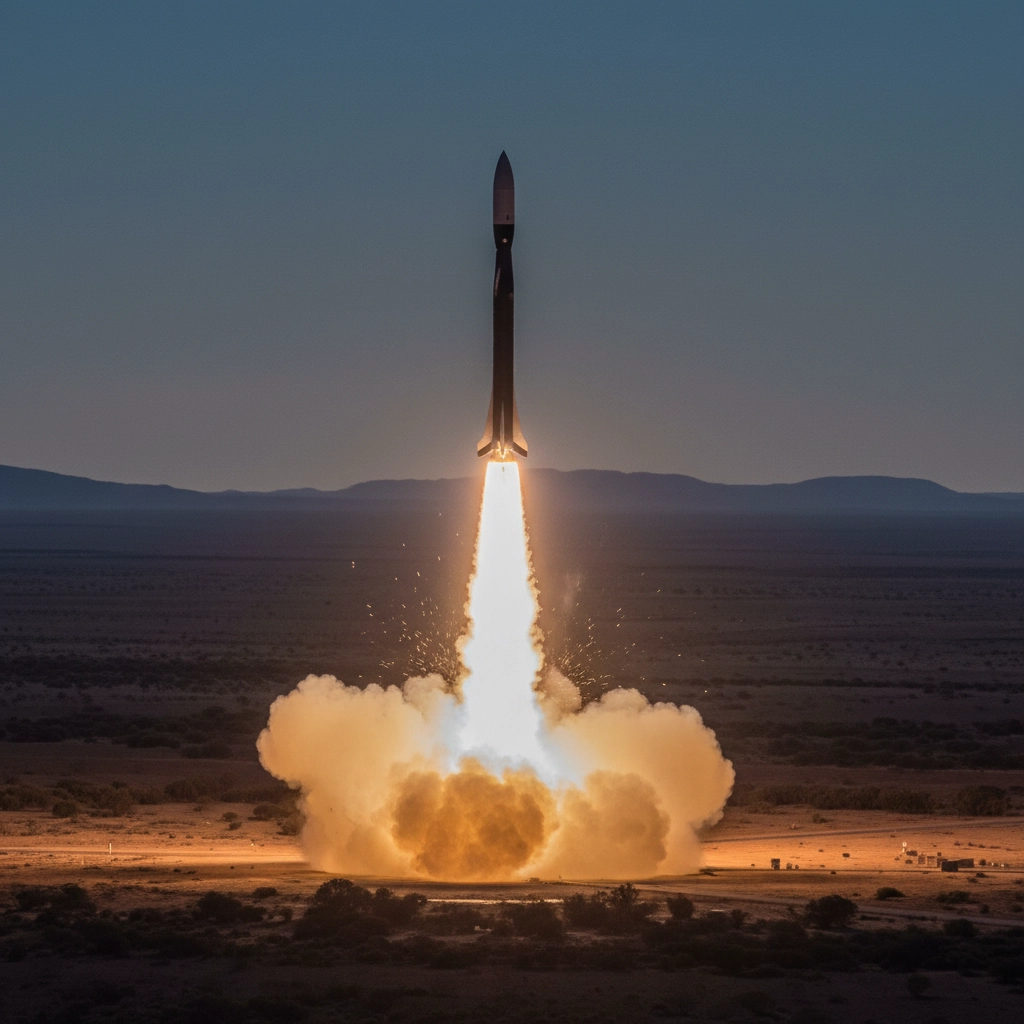
On 28 October 1971, Black Arrow R3 lifted off from Woomera carrying the Prospero satellite. The launch made Britain the sixth nation to place its own spacecraft in orbit. Consequently, the mission remains an important milestone in the country’s engineering history.
The spacecraft suffered damage to an antenna during deployment, but the mission still achieved its orbital objective. Nevertheless, that success did not lead to a continuing series of British launches. The government had already decided to end the programme.
What the Prospero Satellite Investigated
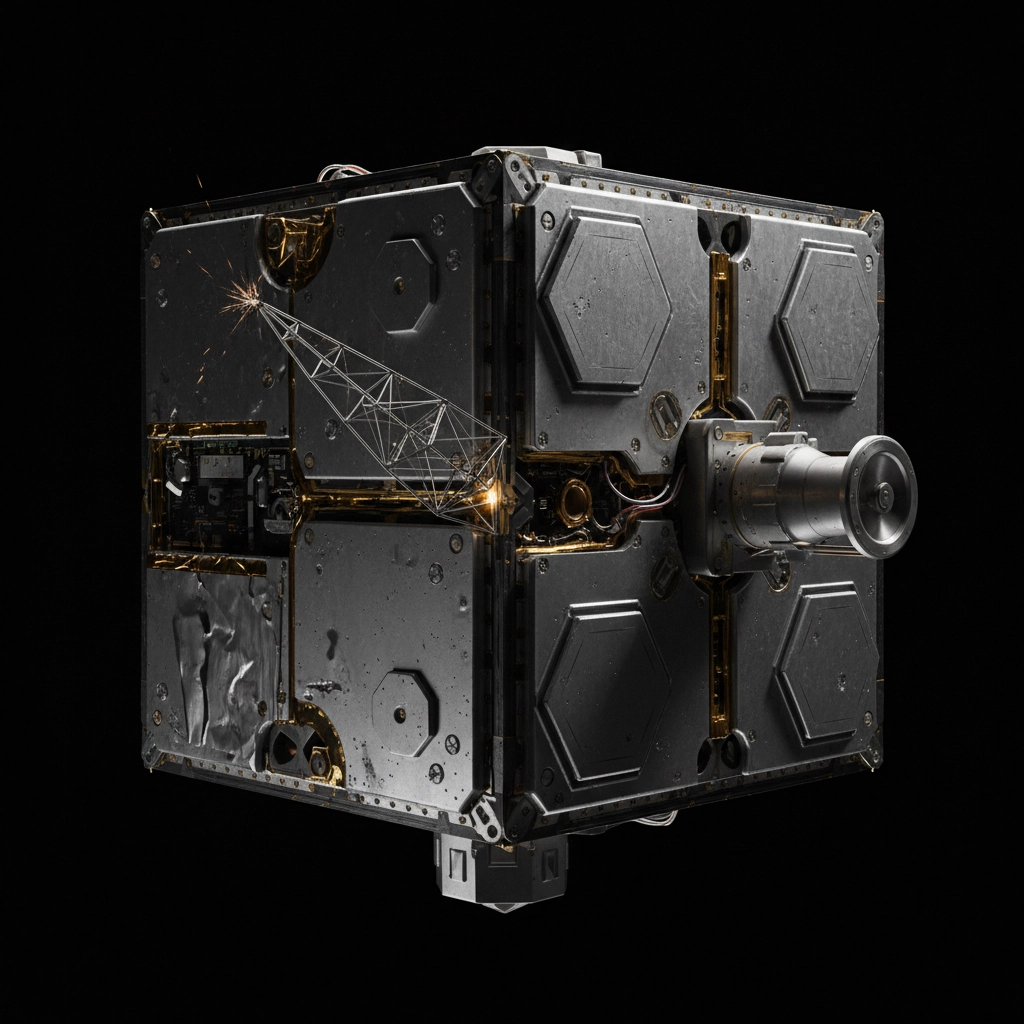
The spacecraft tested equipment intended for later satellites. In addition, it measured the frequency of micrometeoroids. These practical objectives gave engineers and scientists useful information about operating equipment in space.
The Prospero satellite was therefore a research spacecraft, rather than a passenger vehicle or a direct precursor to modern navigation services. Its value lies in the specific work it performed and the launch capability it demonstrated.
The Science Museum’s Prospero collection record describes the mission and its surviving flight spare. Meanwhile, museum exhibits help visitors connect the historical achievement with real engineering hardware.
The Programme Ends, but Space Research Continues
Black Arrow’s final success arrived after the decision to cancel the programme. Consequently, Prospero became its only satellite placed successfully in orbit. The unused R4 vehicle survives as a museum exhibit.
British involvement in space continued through research, manufacturing and international cooperation. For instance, the UK participated in European programmes that later formed part of ESA’s work. This history extends beyond one rocket and one mission.
The Prospero satellite story also illustrates a distinction between technical success and policy decisions. A vehicle can achieve its objective while funding priorities change. Therefore, the programme’s ending should not erase the engineering achievement.
A Long-Lasting Orbital Legacy
The spacecraft remains in orbit according to the Science Museum’s record. However, continued orbit does not mean it operates as an active modern satellite. Its lasting presence is a physical reminder of the 1971 mission.
The Prospero satellite anniversary offers an opportunity to explore how space capabilities develop over time. Each generation builds on earlier research while solving new problems. Furthermore, preserved hardware helps explain that history to new audiences.

Exploring Space Heritage Today
Historic missions can inspire interest in contemporary launches and private spaceflight. Nevertheless, a satellite anniversary does not establish that orbital tourism has become routine or affordable. Today’s passenger programmes have separate vehicles, preparation requirements and budgets.
For launch-viewing experiences and other space travel enquiries, contact RocketBreaks. Our team can explain available options and realistic planning expectations. You can also explore the difference between orbital and suborbital journeys.