
Christmas in space combines real astronomical wonders with festive imagination. Webb has not spotted Santa, but star clusters, glowing clouds and astronaut traditions offer plenty of seasonal inspiration.
Could a telescope catch a glimpse of Rudolph’s nose? That is a playful story rather than a scientific prediction. However, the universe provides dazzling sights without needing a flying sleigh.
Christmas in Space: Cosmic Holiday Images
In December 2025, Chandra released a collection of winter-themed astronomical images. The objects suggest familiar seasonal shapes when viewed from a particular angle. Nevertheless, their appearance comes from natural cosmic processes.
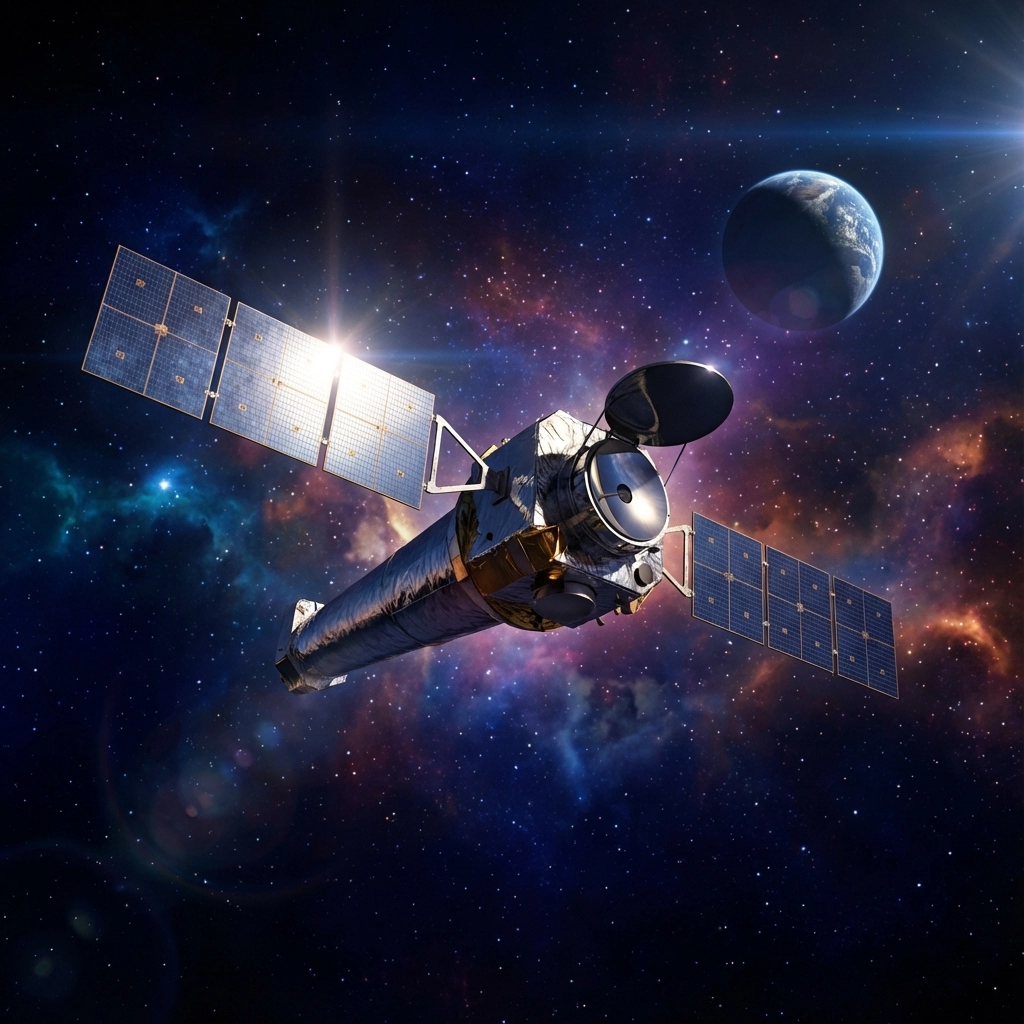
One example pairs the galaxies NGC 4782 and NGC 4783. Together, they resemble a snowman linked by a scarf of hot gas. The galaxies are about 30,000 light-years apart, rather than 170 million light-years apart.
Another image features NGC 2264, associated with a Christmas tree shape. Clouds and young stars create the festive impression. Read Chandra’s holiday collection for the actual observations.
Webb’s Glittering View
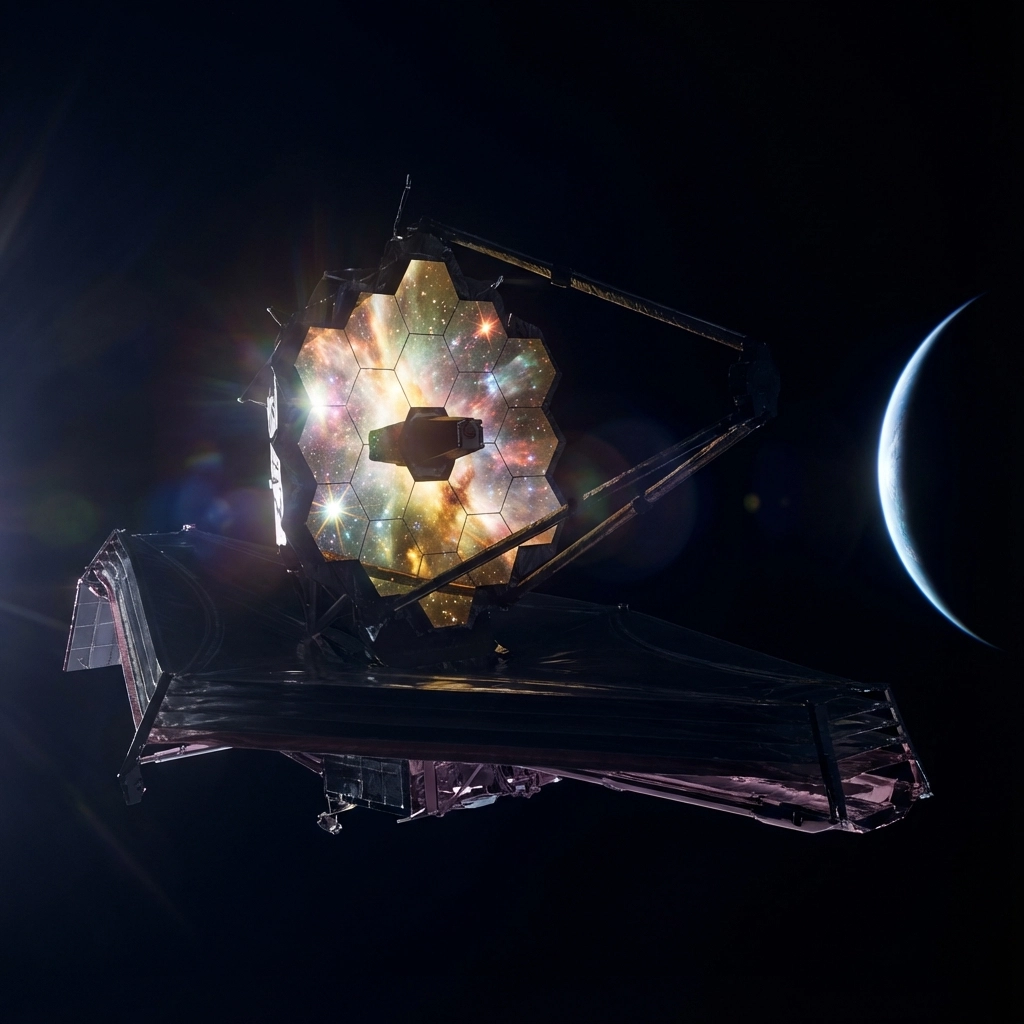
Christmas in space also inspired the presentation of Webb’s December 2025 image of Westerlund 2. Glowing gas and many sparkling stars fill the scene. However, it remains an observation of a star-forming region.

The telescope gathers infrared light to study the universe. Its instruments reveal details that differ from ordinary visible-light views. Consequently, scientific images can show familiar objects in surprising ways.
See ESA’s Webb image feature for this festive-looking region. The image offers real astronomy alongside seasonal wonder. It does not contain evidence of Santa.
A Playful Sleigh Thought Experiment
Imagining Christmas in space invites some entertaining questions. What would a sleigh need to travel beyond Earth? How would a magical reindeer cope with vacuum?
These ideas belong to fiction. Nevertheless, they can introduce real topics such as propulsion, life support and telescope observations. For example, detecting an object depends on its brightness, distance and movement.
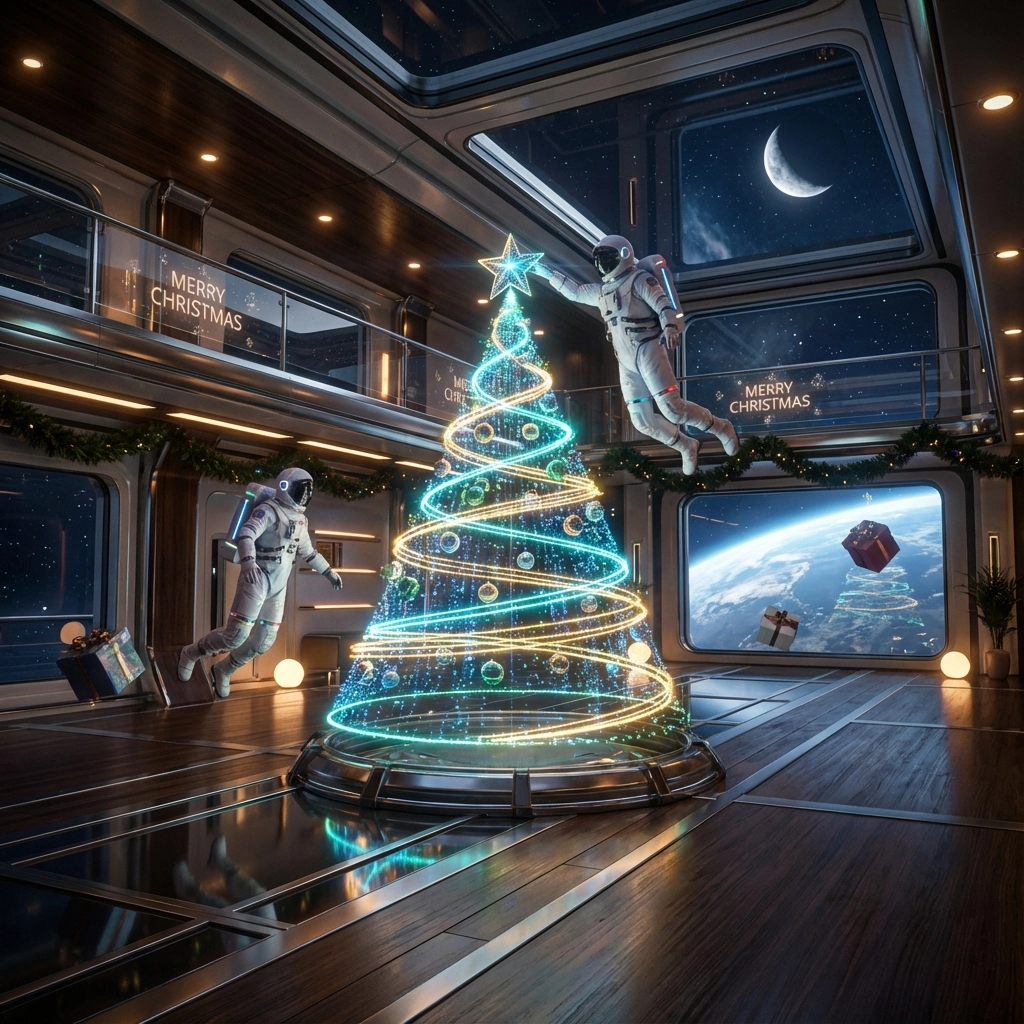
A powerful telescope cannot automatically identify every small moving object. Observations require suitable pointing, instruments and analysis. Therefore, a mysterious streak would need investigation rather than a festive explanation.
Christmas in Space for Real Astronauts
People have celebrated the season beyond Earth for decades. Apollo 8 orbited the Moon during Christmas in 1968. Its crew shared a memorable Christmas Eve broadcast with audiences on Earth.
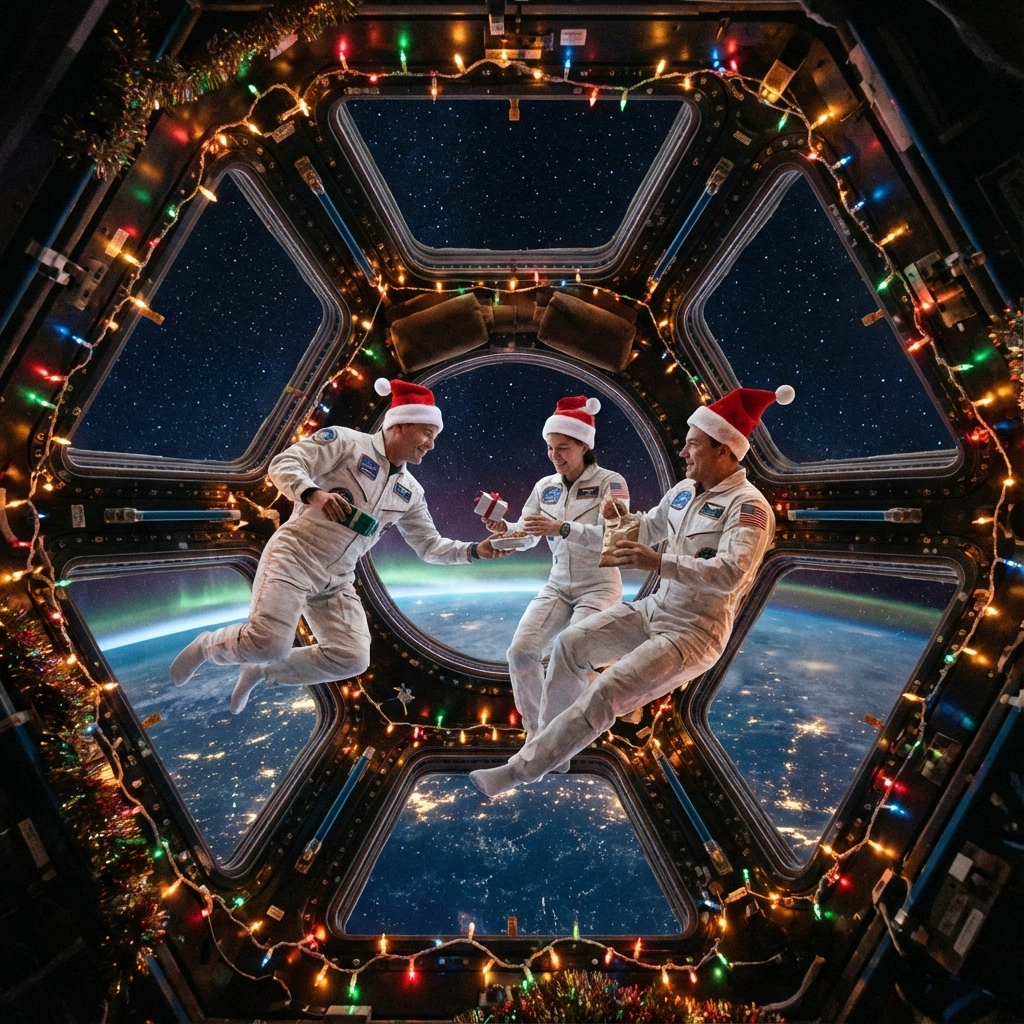
Station crews have also brought traditions into orbit. For example, they can share special meals and speak with family. However, station operations continue throughout the holiday period.
Christmas in space can feel familiar and unusual at the same time. A decoration may float, while a video call connects the crew with home. These small moments show how people adapt everyday culture to an extraordinary setting.
Future Holiday Adventures
A festive orbital trip is an appealing idea for adventurous travellers. Nevertheless, actual access depends on operators, mission approval and training. A seasonal story cannot establish a bookable departure or passenger fare.
Christmas in space also offers inspiration closer to home. You could follow observatory releases, visit a planetarium or watch the night sky. As a result, cosmic wonder need not wait for a rocket flight.
For RocketBreaks, the season is a chance to celebrate curiosity and exploration. Real science gives us remarkable images, while imagination adds a playful touch. Keep the two clear and enjoy both.
Explore Tim Peake’s life in orbit or contact RocketBreaks about your space interests. Meanwhile, look up and enjoy the universe’s own festive display.