
Blue Origin human flight reached another milestone with New Shepard’s NS-36 mission on 8 October 2025. Six passengers completed the programme’s 15th crewed journey. This November 2025 article considers the operational experience behind that achievement.
Blue Origin Human Flight: What NS-36 Demonstrated
New Shepard launched from West Texas and carried its capsule above the Kármán line. Then, the passengers experienced several minutes of weightlessness before returning by parachute. Meanwhile, the booster performed its separate vertical landing.
The crew included Jeff Elgin, Danna Karagussova, Clint Kelly III, Will Lewis, Aaron Newman and Vitalii Ostrovsky. For confirmed details, see Blue Origin’s official NS-36 record. The sixth passenger’s name became public after the flight.
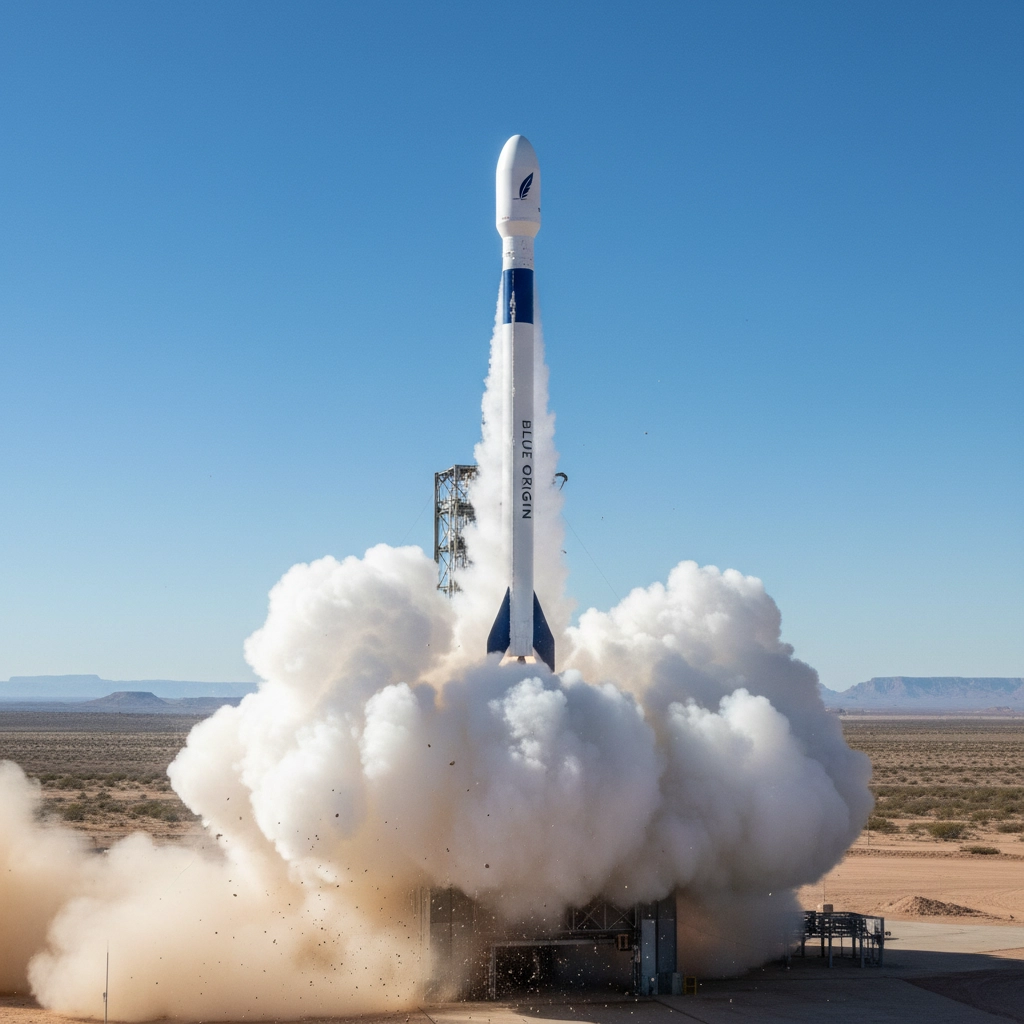
Repeated Operations and Continuing Responsibilities
Blue Origin human flight has accumulated experience through successive missions. For example, crews and ground teams rehearse preparation, launch and recovery procedures. Each completed journey can provide useful operational information.
However, a series of successful flights does not remove the risks of space travel. Operators still need maintenance, testing and suitable operating conditions. Consequently, reliability should be assessed through evidence rather than described as a guarantee.
Likewise, regular flights remain different from ordinary airline services. Passenger preparation and mission constraints still matter. A specialised commercial programme can grow without becoming routine for the general public.
The Passenger Experience
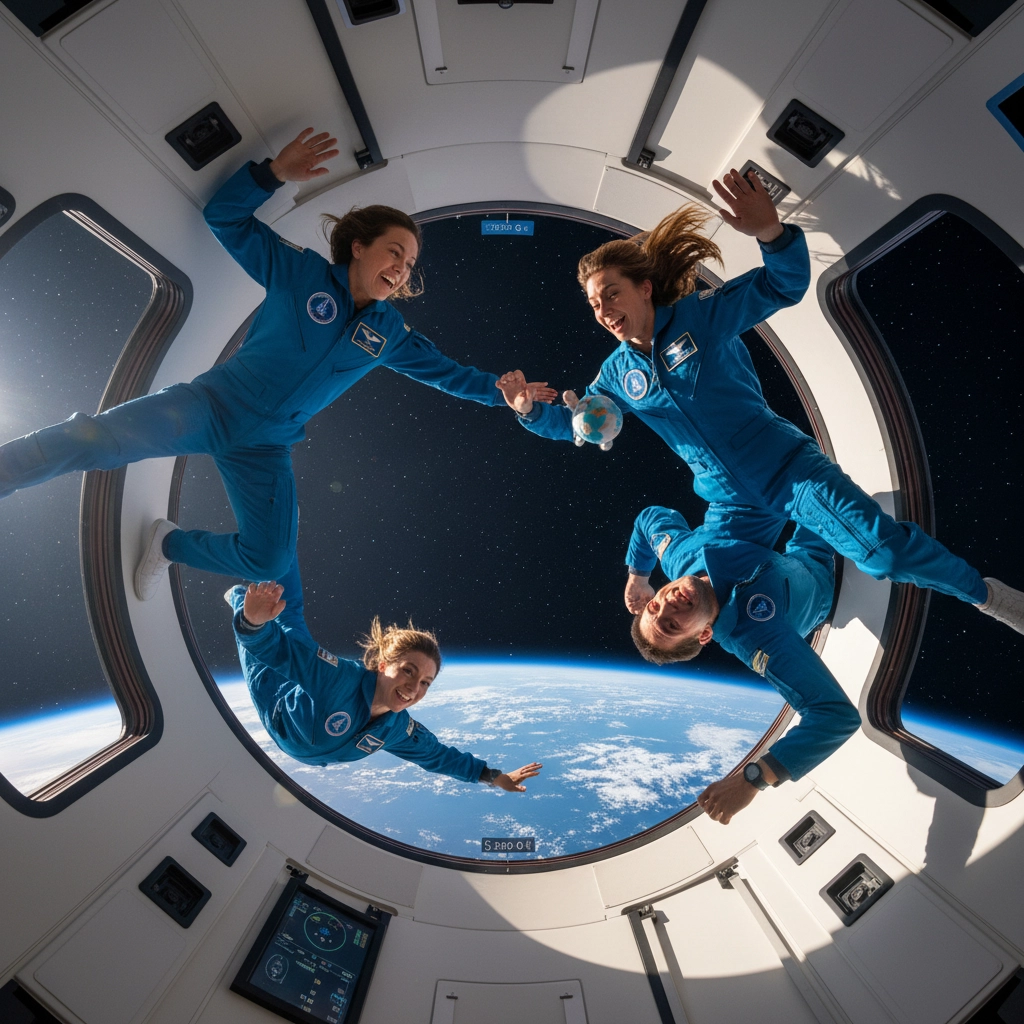
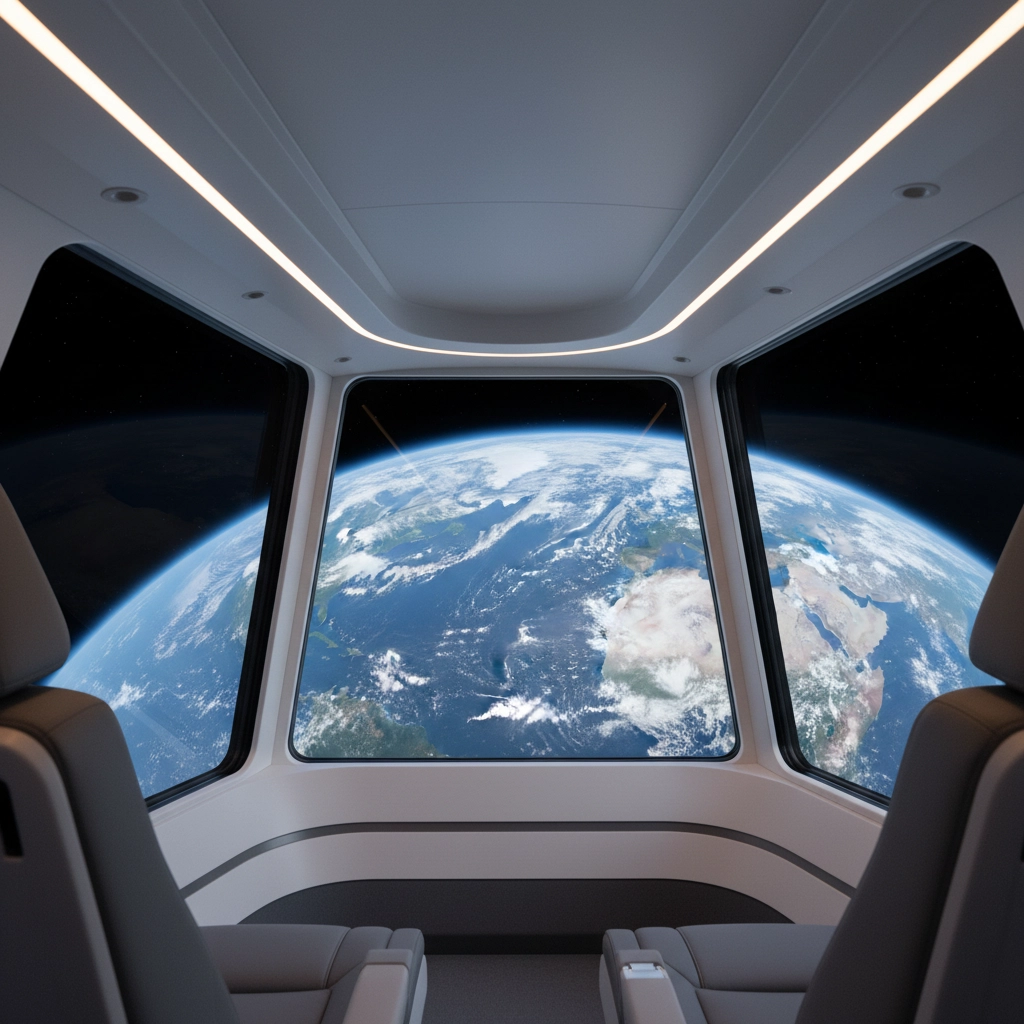
Blue Origin human flight offers a short suborbital journey rather than an extended stay in orbit. In particular, the capsule’s large windows provide views of Earth during the flight. Passengers also have a brief opportunity to float in microgravity.
People describe that experience in different ways. Some report a strong emotional response to seeing Earth from above. Nevertheless, no particular psychological transformation is guaranteed, and preparation remains part of the complete programme.
Blue Origin Human Flight and Reusable Technology
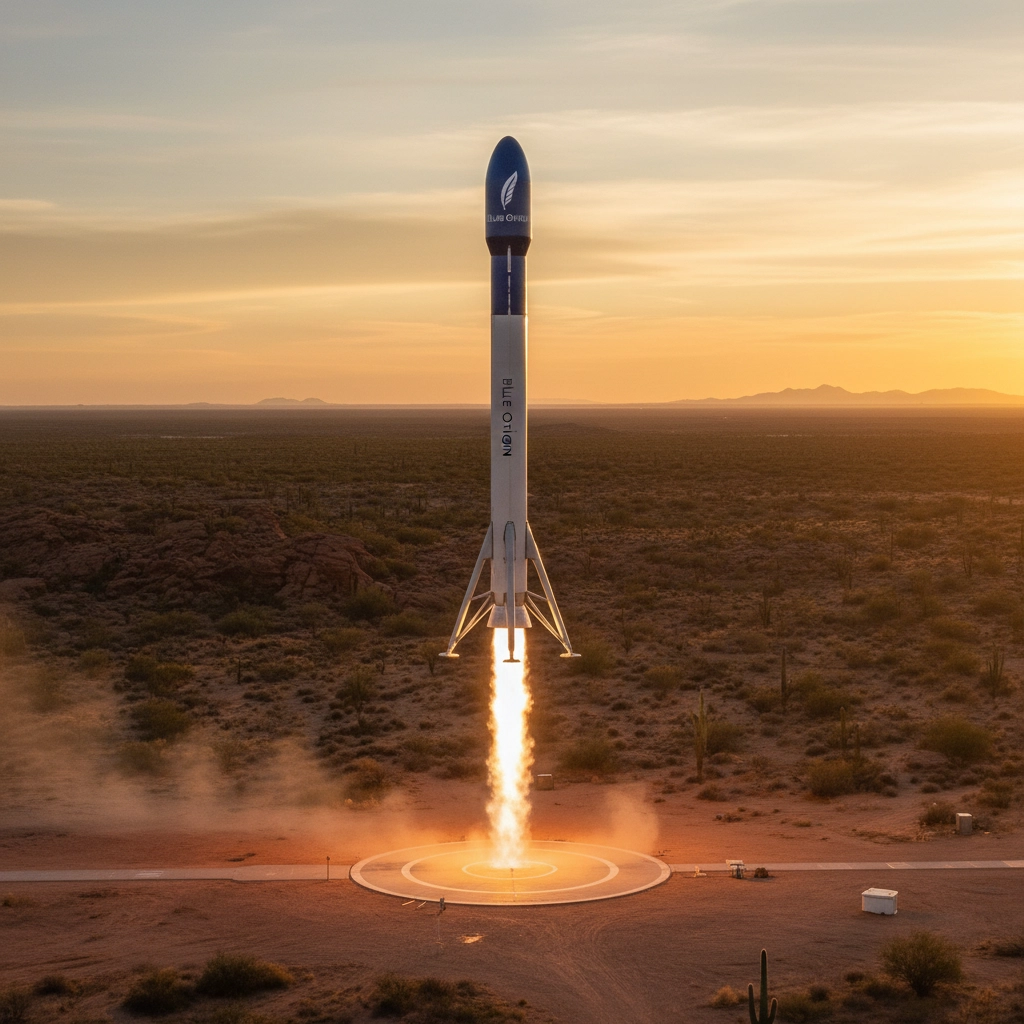
New Shepard uses a reusable booster and capsule. Therefore, vehicle recovery forms an important part of its operating model. Reuse may influence costs, but fares also reflect maintenance, preparation and other business requirements.
The system flies autonomously. In addition, it incorporates safety and recovery systems for its specific mission profile. However, New Shepard’s capabilities differ from the vehicles and infrastructure required for orbital stations or lunar travel.
The Wider Commercial Market
Blue Origin human flight sits alongside other commercial programmes with different destinations and durations. For instance, Virgin Galactic develops suborbital spaceplanes, while private orbital missions involve longer journeys. Compare the orbital and suborbital categories before assessing an experience.
Future commercial stations remain separate development programmes. Consequently, a New Shepard success does not establish a launch date for an orbital habitat. Nor does it confirm that passenger prices will automatically fall.
Planning Your Own Experience
Blue Origin human flight demonstrates that private passengers can participate in suborbital journeys. Nevertheless, access depends on availability, suitability and programme requirements. Ask for current terms rather than relying on broad claims about mainstream affordability.
Contact RocketBreaks to discuss available space experiences and realistic planning. Our team can explain launch viewing, weightless flights and other enquiries. You can also follow our space industry news.