
Tim Peake’s first mission remains an inspiring chapter in British space history. Ten years after the December 2015 launch, its research and outreach still offer lessons for aspiring space travellers.
Have you ever imagined watching Earth from orbit? Peake shared that view with audiences across the UK during his Principia expedition. However, the mission was a demanding professional assignment rather than a holiday.
Tim Peake’s First Mission: The Historic Launch
Peake launched on 15 December 2015 from Baikonur in Kazakhstan. He travelled aboard Soyuz TMA-19M with Yuri Malenchenko and Tim Kopra. Together, they headed towards the International Space Station.
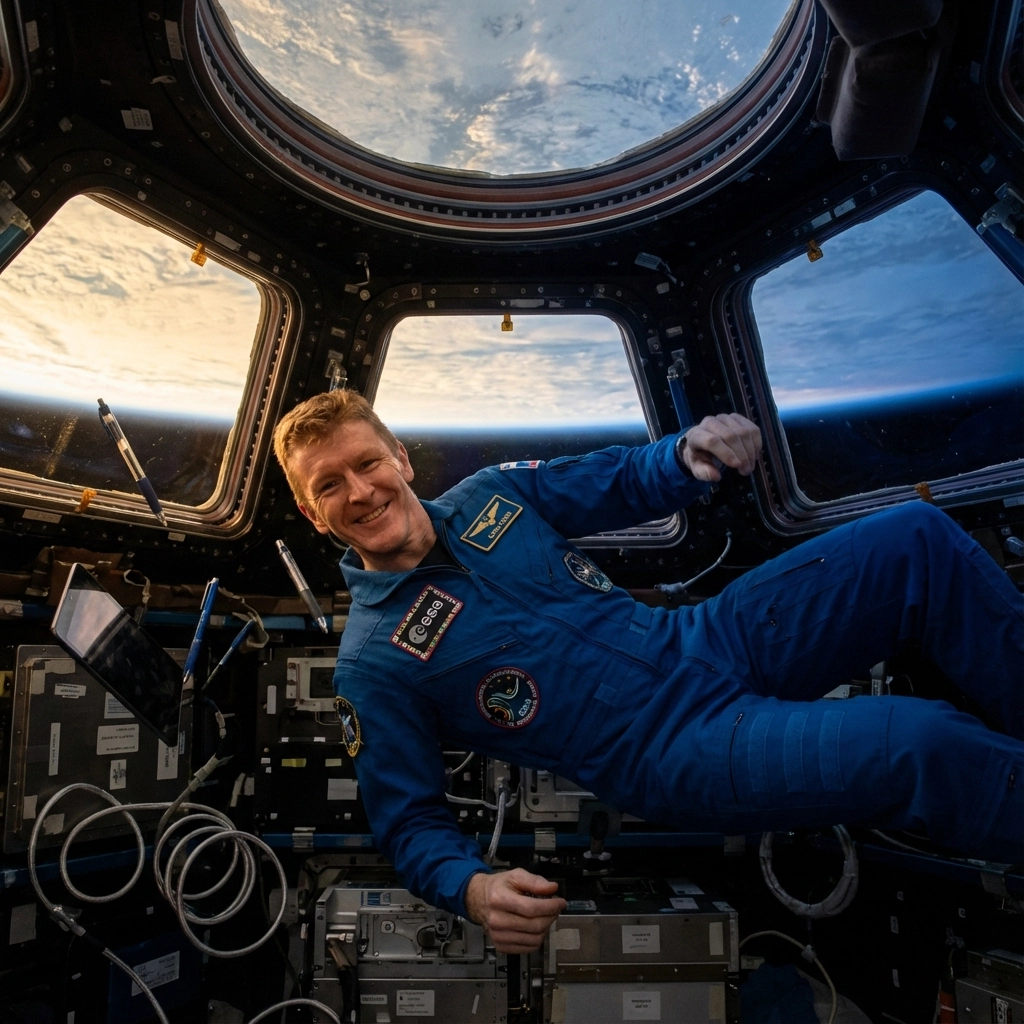
Tim Peake’s first mission made him the first British ESA astronaut to fly to space. Nevertheless, Britain’s human spaceflight story began earlier. Helen Sharman had visited the Mir station in 1991.
The launch captured public attention and brought new audiences to space science. In addition, schools followed Peake’s activities throughout the expedition. His enthusiasm helped connect unfamiliar research with everyday questions.
Research and Daily Life in Orbit
Principia combined scientific experiments with station maintenance. Read ESA’s mission overview for its purpose and history. The work supported researchers studying the effects and possibilities of microgravity.
Tim Peake’s first mission also illustrated the routines behind an extraordinary setting. Crew members exercised, checked equipment and followed detailed schedules. Consequently, life in orbit involved much more than spectacular photographs.
Peake brought experience as an Army helicopter pilot and test pilot. However, astronaut preparation required additional skills and extensive training. Working with international colleagues was another essential part of the job.
A Spacewalk and a Marathon
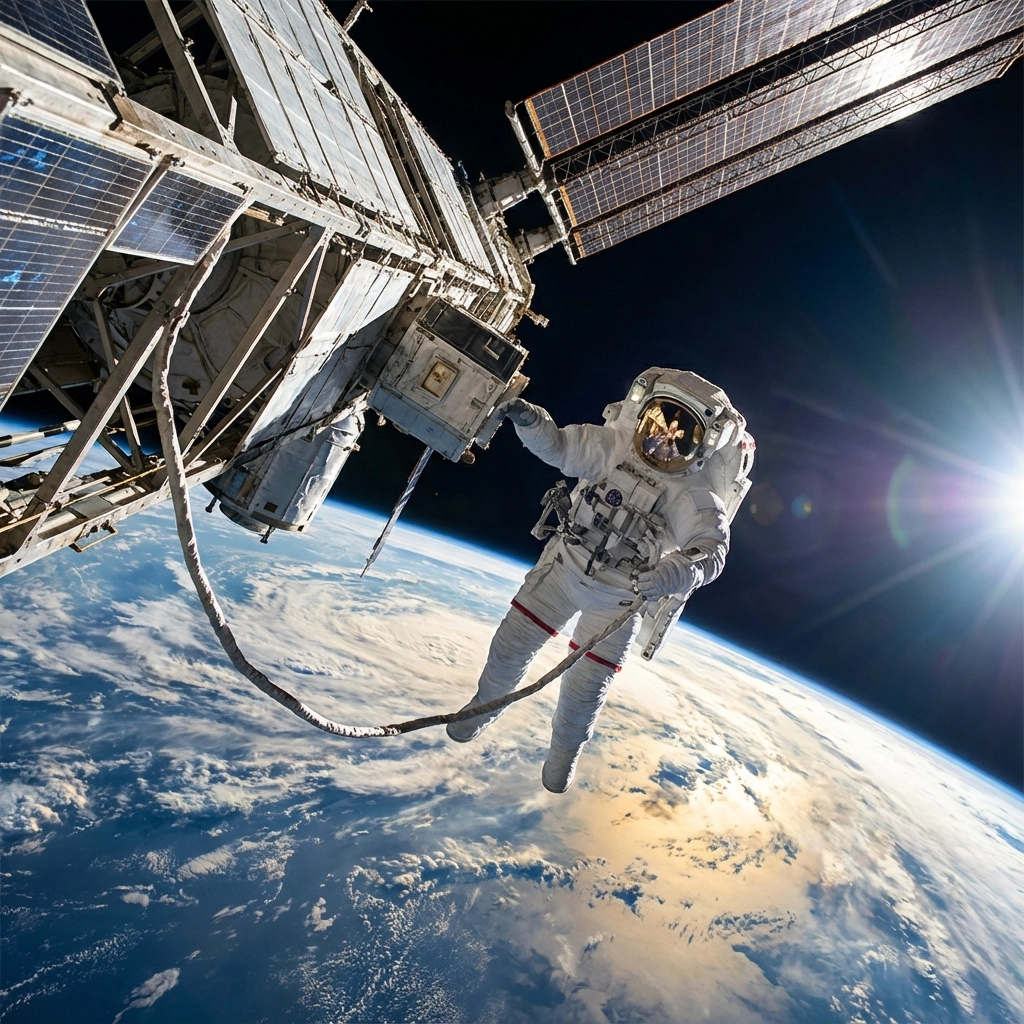
In January 2016, Peake joined Kopra for a spacewalk involving station power equipment. The crew ended the excursion early after water entered Kopra’s helmet. Therefore, this memorable event also shows why contingency procedures matter.
During Tim Peake’s first mission, familiar activities sometimes took unusual forms. In April 2016, he ran the London Marathon distance on a station treadmill. A harness helped hold him in place in microgravity.
The event connected a public sporting challenge with daily astronaut exercise. Nevertheless, maintaining health in orbit requires an ongoing programme. One memorable run cannot replace the broader routine.
Tim Peake’s First Mission and Public Inspiration
Peake’s photographs and education calls helped audiences understand the station. For example, children could ask about floating, eating and sleeping in space. These exchanges made the experience easier to imagine.
His return in June 2016 completed a stay of roughly six months. However, the stories and learning opportunities continued afterwards. The anniversary offers a chance to revisit both the excitement and the preparation.
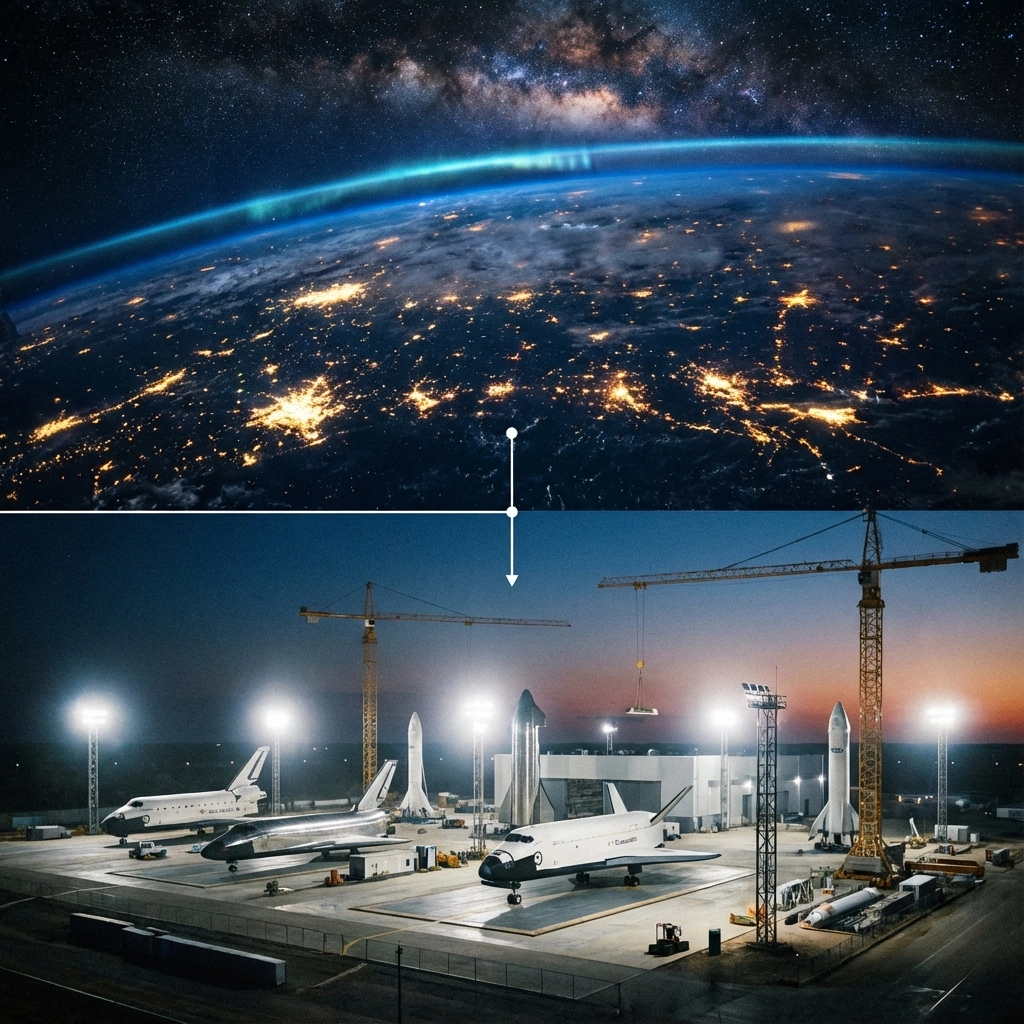
Tim Peake’s first mission did not create commercial space tourism on its own. Private visitors had already travelled to the station. Nevertheless, public outreach can encourage interest in later opportunities and scientific careers.
What Future Travellers Can Learn
Spaceflight brings remarkable views alongside demanding responsibilities. Training, teamwork and physical preparation all matter. Therefore, prospective travellers should look beyond promotional images and understand their chosen experience.
Suborbital flights and orbital stays involve different vehicles and requirements. In addition, operator availability and mission plans can change. A historic astronaut expedition does not establish a current passenger timetable or fare.
For RocketBreaks, the story remains a source of inspiration. It shows how curiosity and preparation can support extraordinary journeys. However, each traveller needs practical information about the options available to them.
Explore the costs of space travel or contact RocketBreaks to discuss your interests. Meanwhile, celebrate the research, outreach and teamwork behind this memorable mission.