
European space launch innovation received a funding boost in October 2025 when HyImpulse announced €45 million in equity and additional financing.
Have you ever wondered what it takes to build a rocket company from scratch? The answer might surprise you, especially when it comes to a German startup that’s just secured one of Europe’s largest space investments this year. HyImpulse Technologies has raised an impressive €45 million to accelerate European space access, marking a pivotal moment for the continent’s space ambitions.
This funding round represents far more than just another investment story. Instead, it signals Europe’s growing determination to achieve space independence while opening new pathways for commercial space activities. As a result, we’re witnessing the emergence of innovative launch solutions that could reshape how we think about getting to space.
European Space Launch Innovation: HyImpulse’s Approach
Founded in 2018, HyImpulse Technologies emerged from the German Aerospace Center (DLR) with a mission to revolutionize space launch capabilities. However, what sets this company apart isn’t just their ambitious goals: it’s their unique approach to rocket propulsion.
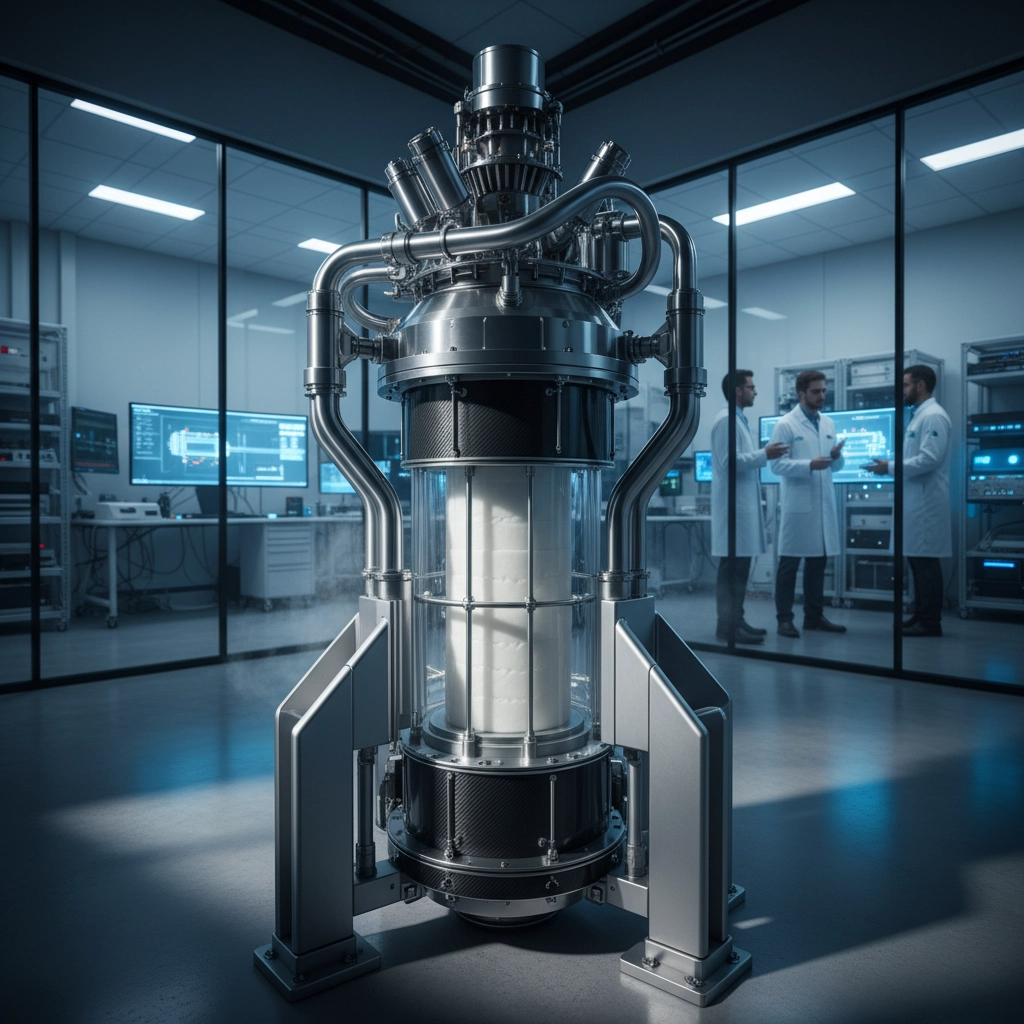
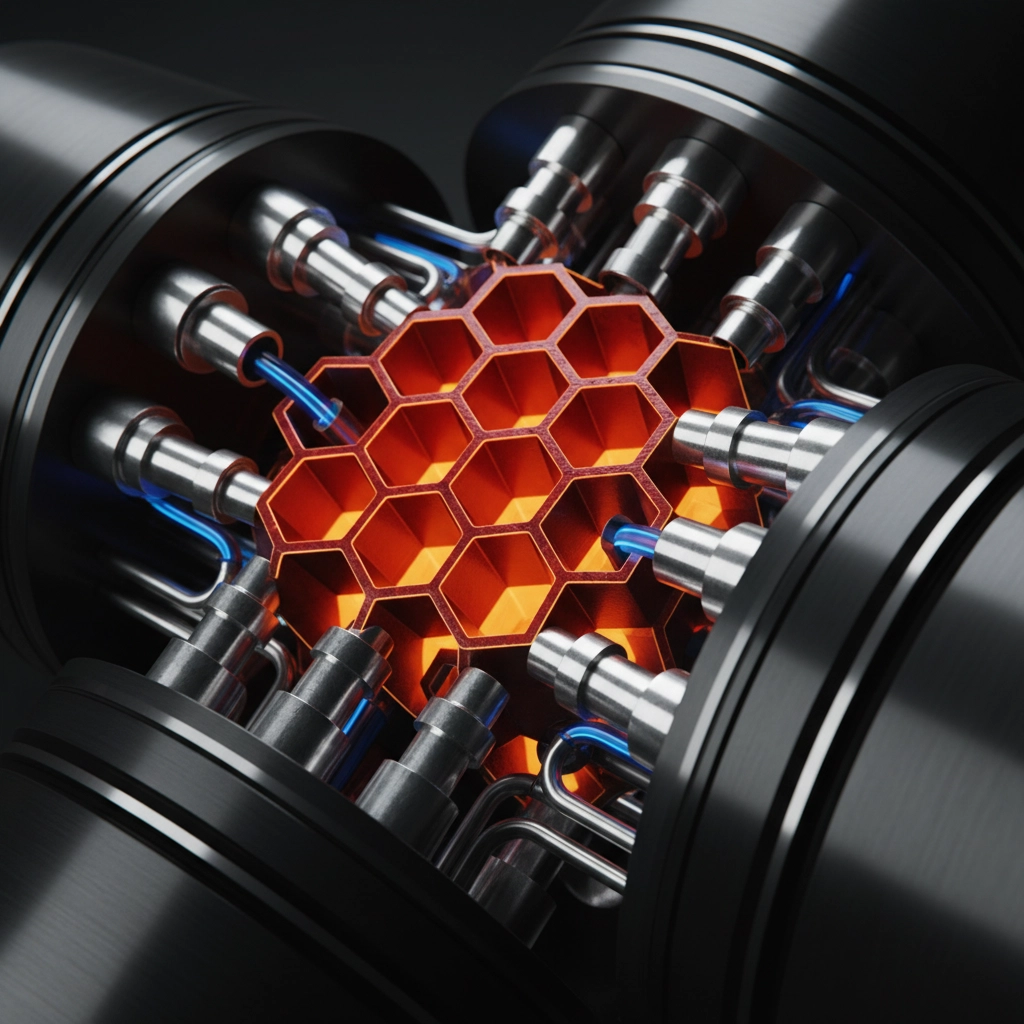
The company develops hybrid rocket engines that combine liquid oxygen with paraffin-based solid fuels. The company aims to simplify propulsion systems. However, reliability and safety still require testing and operational evidence.
Dr. Christian Schmierer, co-founder and CEO, describes their service model as a “taxi service” for space, contrasting it with SpaceX’s “scheduled bus service.” Therefore, customers can choose individual launch solutions and plan their missions with greater flexibility.
The €45 Million Funding Breakthrough
The recent funding round combines a €15 million Series A equity investment led by Campus Founders Ventures with around €30 million in additional public funding. Consequently, HyImpulse’s total capital raised since inception now reaches approximately €74 million.
The investor consortium includes several notable participants: Helantic, GIMIC, the Global Resilience Innovation Fund (GRIF), MBG Baden-Württemberg, Start-up BW Innovation Fonds, SBG Heilbronn Franken, Vienna Point, and BTRON. Moreover, this diverse group of investors demonstrates strong confidence in HyImpulse’s technology and market potential.
Oliver Hanisch of Campus Founders Ventures highlighted HyImpulse’s suborbital hybrid-rocket demonstration. Therefore, HyImpulse represents a new model for how Europe can compete globally in aerospace innovation.
European Space Launch Innovation: Hybrid Propulsion
At the heart of HyImpulse’s innovation lies their hybrid propulsion system. Unlike traditional rockets that use either solid or liquid fuel systems, hybrid engines combine the best of both worlds. Specifically, they use liquid oxygen as an oxidizer and paraffin-based materials as fuel.
This approach offers several advantages that make it particularly attractive for commercial applications. First, hybrid engines are inherently safer because the fuel and oxidizer remain separate until combustion. Second, they provide excellent throttle control, allowing for precise mission execution. Finally, the reduced complexity translates to lower manufacturing and operational requirements.
The environmental benefits also deserve attention. Hybrid engines typically produce cleaner exhaust compared to traditional solid rockets, aligning with growing sustainability concerns in the space industry. Therefore, this technology positions HyImpulse favorably as environmental regulations become more stringent.
To learn more about HyImpulse and their rocket technology, visit the official HyImpulse Technologies website.

From Suborbital Success to Orbital Dreams
HyImpulse achieved a significant milestone in 2024 by successfully launching their SR75 suborbital vehicle. This test flight marked the first time a commercial paraffin-based hybrid rocket engine reached the upper atmosphere, proving the viability of their technology.
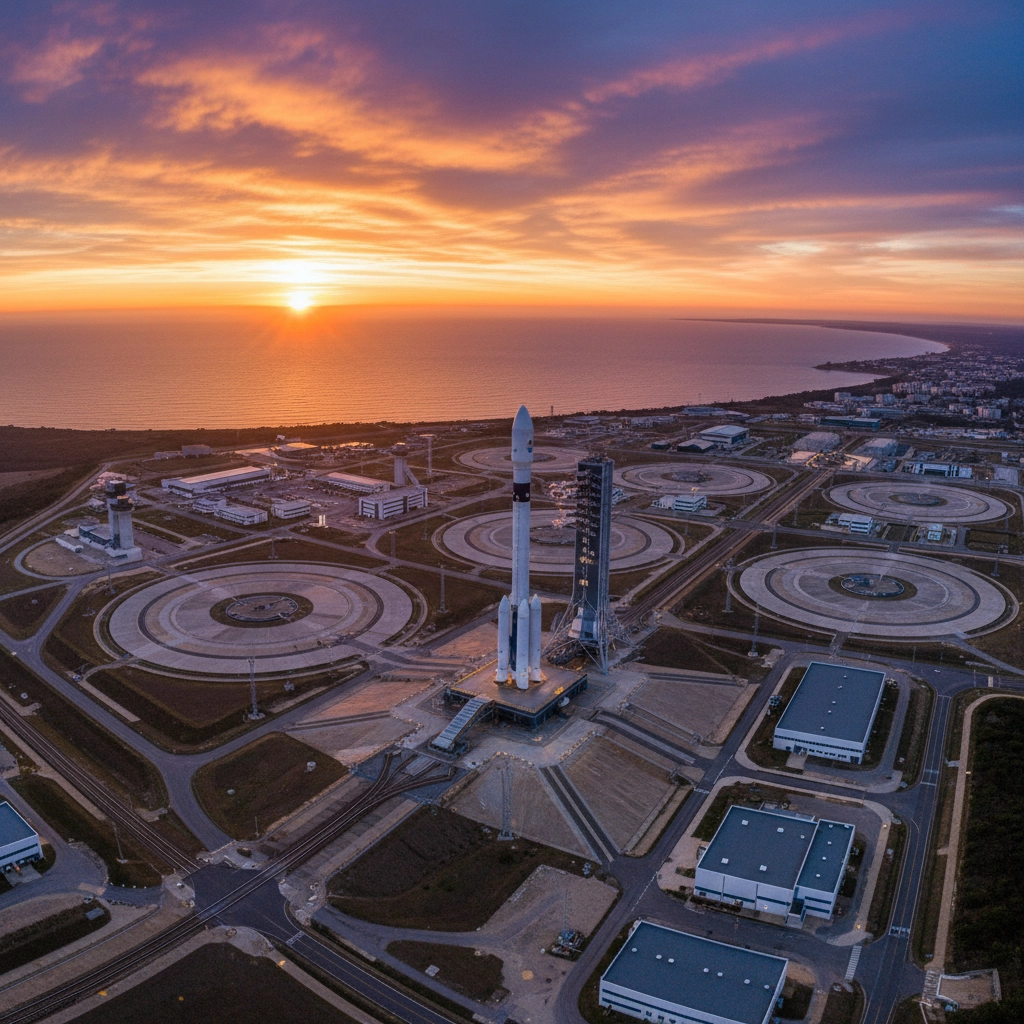
Building on this success, the company is developing the SL1 orbital launcher, designed to deliver up to 600 kilograms to low Earth orbit. The three-stage rocket represents a major leap forward in European launch capabilities. At the time of the announcement, the company targeted orbital services from 2027. However, development schedules can change.
However, the journey from suborbital to orbital flight involves substantial engineering challenges. The SL1 must achieve much higher velocities and deal with the complexities of orbital insertion. Nevertheless, HyImpulse’s hybrid technology provides unique advantages for meeting these requirements.
The company’s methodical approach to development demonstrates their commitment to safety and reliability. As a result, each test contributes evidence for future operations. European space launch innovation still depends on completing development milestones.
Transforming European Space Access
Europe currently faces a significant challenge in space access capabilities. Following the retirement of Ariane 5 and delays with Ariane 6, European space access has become increasingly dependent on foreign launch providers. Consequently, HyImpulse’s development represents a crucial step toward regaining autonomy.
Dr. Schmierer described the funding as support for greater European launch autonomy. Nevertheless, Europe already had operational launch capabilities, including Ariane 6.
The implications extend beyond national pride or political independence. European companies and research institutions need reliable, cost-effective access to space for satellite deployments, scientific missions, and commercial ventures. Therefore, domestic launch capabilities support the entire European space ecosystem.
Moreover, the flexibility offered by HyImpulse’s “taxi service” model addresses a gap in the current market. While large launch providers focus on high-volume missions, smaller satellites and specialized payloads often need more tailored solutions.
European Space Launch Innovation and Investment
HyImpulse’s €45 million funding round stands among the largest space-related investments in Europe for 2025. However, it’s part of a broader trend of increasing investment in European space technology companies.
Other notable funding rounds this year include Magdrive’s €9.9 million for spacecraft propulsion systems, Kreios Space’s €8 million for air-breathing plasma engines, and UNIVITY’s €31 million for satellite connectivity solutions. Therefore, the European space sector is experiencing unprecedented investment activity.
This investment surge reflects growing recognition of space technology’s commercial potential and strategic importance. Furthermore, it demonstrates investor confidence in European capabilities to compete with established players from the United States and other regions.
The diversity of companies receiving funding also highlights the breadth of opportunities in the space sector. From propulsion systems to satellite services, European entrepreneurs are developing innovative solutions across the entire space value chain.
What This Means for Space Tourism
While HyImpulse focuses primarily on satellite launches, their success has important implications for the broader space tourism industry. First, increased competition in launch services typically leads to improved accessibility and reliability across the sector.
The company’s emphasis on safety and operational flexibility aligns well with the requirements of human spaceflight. Although HyImpulse hasn’t announced plans for crewed missions, their technology could potentially support such activities in the future.
Moreover, a robust European launch infrastructure benefits all space activities, including tourism. As more launch options become available, the entire industry gains resilience and competitive alternatives. Therefore, HyImpulse’s progress contributes to the overall maturation of commercial spaceflight.
The company’s “taxi service” approach also resonates with the personalized experiences that space tourism customers expect. Just as luxury travelers value flexibility and customization, space tourists may prefer launch providers who can accommodate specific requirements and preferences.
Looking Ahead: The Future of European Space
HyImpulse’s successful funding round represents more than just financial achievement: it symbolizes Europe’s renewed commitment to space leadership. With orbital services targeted from 2027 at the time, the company is positioned to play a significant role in European space access.
The implications extend far beyond commercial satellite deployments. A thriving European launch industry supports scientific research, national security, and economic competitiveness. Furthermore, it creates opportunities for the next generation of space entrepreneurs and innovators.
As we look toward the future, companies like HyImpulse are building the infrastructure that will support humanity’s expanding presence in space. Whether you’re dreaming of your own space adventure or simply fascinated by technological progress, these developments bring us closer to a future where space is accessible to everyone.
European space launch innovation also creates possibilities for collaboration. As the industry matures, we can expect to see new partnerships, technologies, and opportunities emerge. Therefore, the future of European space looks brighter than ever.
Are you ready to be part of this incredible journey? The universe is waiting, and companies like HyImpulse are developing satellite launch vehicles. Contact us to learn more about how you can experience the wonder of space firsthand.