
Artemis II launch live: archive viewing guide for 1 April 2026. The launch has taken place; use NASA’s coverage for replays and mission information.
Have you ever looked up at the night sky and wondered when humanity would finally return to the lunar surface? Did you ever imagine that you would be alive to see the next giant leap for mankind? Well, the wait is officially over. Today, Wednesday, April 1, 2026, marks a pivotal moment in human history as we prepare to watch the Artemis II launch live from the UK and around the world.
It has been a staggering 54 years since humans last headed toward the Moon. For over half a century, the lunar dust has remained undisturbed by human presence. However, today’s mission isn't just a trip down memory lane; it is the definitive starting gun for a new era of exploration. As we stand on the precipice of this historic event, RocketBreaks is here to ensure you don’t miss a single second of the action. From the roar of the engines at Cape Canaveral to the quiet majesty of the Orion capsule in orbit, here is your ultimate guide to witnessing history.
The Crew: Meet the Modern Pioneers
Before we dive into the "how-to" of the broadcast, let’s talk about the four incredible individuals sitting atop that rocket. This isn't just any crew; it is a group that represents the diversity and international cooperation of modern spaceflight.
Commander Reid Wiseman leads the mission, joined by Victor Glover, who will serve as the pilot. Mission specialists Christina Koch and Jeremy Hansen complete the crew. Koch has extensive station experience, while Hansen represents the Canadian Space Agency. These four astronauts aren't just pilots; they are the pathfinders for everyone who dreams of one day experiencing holidays in space.

They are currently strapped into the Orion spacecraft, waiting for the countdown to hit zero. Their journey is a 10-day odyssey that will take them 685,000 miles. They will not land on the Moon. Instead, the planned trajectory takes them thousands of miles beyond its far side. This is a crewed flight test supporting later exploration. However, NASA’s subsequent mission assignments can change.
What Time Does the Artemis II Launch Live in the UK?
Timing is everything when it comes to rocket launches. Because the Kennedy Space Center is located in Florida, we in the UK have to account for the five-hour time difference. Fortunately, the schedule for today is perfectly set for a late-night viewing party.
The official launch window for the Artemis II launch live event opens at 11:24 PM BST.
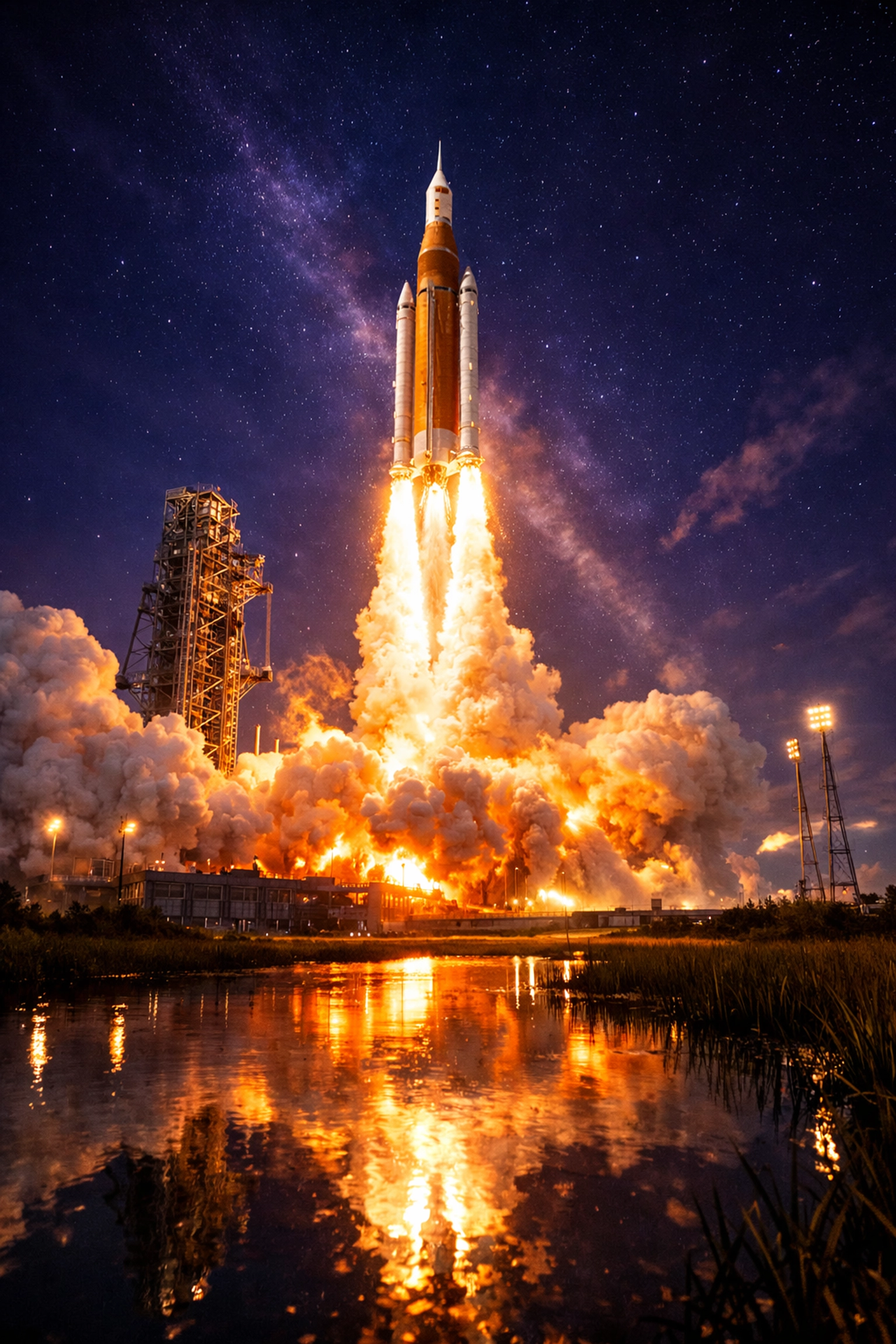
If you want to catch the build-up: which we highly recommend: you’ll want to tune in much earlier. NASA’s live coverage is scheduled to begin at 5:50 PM BST. This early coverage is fantastic because it allows you to see the "suit-up" process, the final walk-out, and the incredibly tense propellant loading (tanking) operations. Watching the liquid oxygen and hydrogen vent from the side of the Space Launch System (SLS) rocket is a spectacle in itself.
Where to Stream the Artemis II Launch Live
In 1969, families huddled around grainy, black-and-white television sets. In 2026, we have the luxury of 4K streams and multi-angle views. You have several options to ensure you see every flame and cloud of smoke in high definition.
- NASA+: NASA’s streaming service provides official mission coverage. Their broadcast starts at 5:50 PM BST and will continue through the Orion’s solar array deployment once it reaches orbit.
- NASA’s YouTube Channel: For those who prefer a familiar platform, YouTube will offer continuous coverage. In fact, some secondary streams for tanking operations are expected to go live as early as 11:45 AM BST.
- Social Media: If you’re on the move, NASA will be streaming via X (formerly Twitter), Facebook, and Twitch.
News outlets may also carry the countdown. However, check their schedules before relying on a particular channel. However, for the most "hardcore" space enthusiast experience, the NASA feeds provide the best technical commentary.
More Than Just a Flight: The Future of Space Tourism
As you watch the SLS rocket pierce through the atmosphere tonight, you might find yourself asking: "how much does it cost to go to space?" It’s a natural question. For decades, space was the exclusive playground of government-funded astronauts. But Artemis II is the bridge between that era and a future where civilian travel becomes a reality.
The mission tests life support, navigation and other systems. These lessons may inform future travel, but do not guarantee lower passenger prices. At RocketBreaks, we are keeping a close eye on these developments. Every successful Artemis mission brings us one step closer to a world where "lunar orbit" is a destination on a travel brochure.
If you are curious about how we got here, you can read about the history of Blue Origin and how private companies are working alongside NASA to make these dreams a reality. The "Space Race 2.0" isn't just about flags and footprints; it’s about opening the frontier to everyone.
Tracking Orion: The AROW Tool
Once the initial excitement of the launch fades and the crew is safely in orbit, the mission is far from over. Over the next ten days, the Orion capsule will perform a complex "figure-eight" maneuver around the Moon.
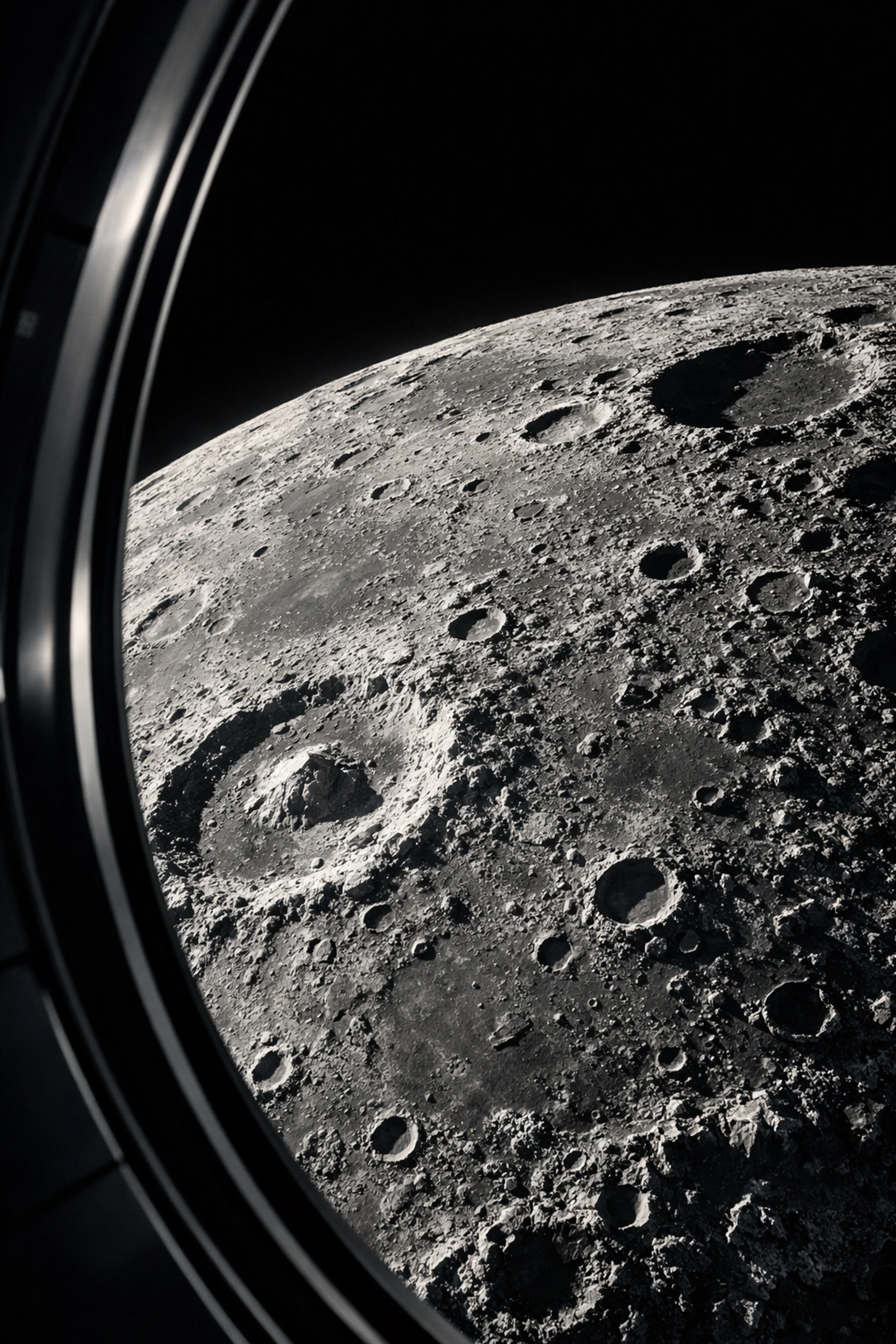
NASA has provided a brilliant tool called the Artemis Real-time Orbit Website (AROW). NASA’s tracking website provides public information about Orion’s position and journey. However, it does not present every detail available to mission controllers. It is an incredible way to stay connected to the mission during the "quiet" phases of the journey. You can literally see how far the crew is from home as they venture into the dark void beyond the lunar surface.
Why This Mission is Different
You might wonder why we aren't just landing on the Moon today. It’s important to remember that Artemis II is a "crewed flight test." Because it has been over five decades since the Apollo era, NASA needs to ensure that the new Orion capsule can keep humans safe in deep space for an extended period.
The radiation environment beyond low Earth orbit presents additional challenges. Consequently, the data collected over the next ten days will be vital for the Artemis III mission, and later exploration flights. Today is about proving the systems work so that the next generation of explorers: and eventually, space tourists: can travel with confidence.
Artemis II Launch Live: Prepare for Liftoff
As the clock ticks toward 11:24 PM BST, the excitement is palpable. There is something deeply moving about seeing four humans sit atop a controlled explosion, all in the name of discovery. It reminds us of what we can achieve when we push the boundaries of what is possible.
Viewers across the UK can join a global audience. Wherever you watch, official coverage offers a way to follow the mission. The Artemis II launch live event is a reminder that the Moon is no longer a distant, unreachable stone in the sky. It is a destination.
As the cost of technology decreases and our expertise grows, the prospect of holidays in space moves from the realm of "if" to the realm of "when." We are living in the most exciting time for space exploration since the 1960s.

Stay Connected with RocketBreaks
Are you feeling inspired by today’s launch? Does the idea of looking back at the "Pale Blue Dot" from a spacecraft window spark your imagination? The journey to the stars is just beginning, and we want to take you along for the ride.
If you have questions about spaceflight, get in touch. We can help you explore the practical options and follow industry developments. You can contact us here to learn more about the evolving world of space tourism.
For now, clear your schedule, find a comfortable spot, and get ready for the roar of the SLS. The Moon is waiting, and tonight, we take our first big step back toward it. Happy viewing, UK! 🚀✨