
The ISS anniversary marks 25 years of continuous human presence in orbit. Explore its research legacy and what it means for future space tourism.
Have you ever wondered what it would be like to wake up floating 400 kilometres above Earth, watching our blue planet rotate beneath you? For 25 years, that dream has been reality for hundreds of astronauts aboard the International Space Station. Moreover, this incredible achievement has paved the way for something even more exciting: the future of holidays in space for ordinary people like you and me.
On November 2nd, 2025, we celebrated a remarkable milestone: 25 years of continuous human presence on the International Space Station. This achievement represents far more than just a technical feat. Therefore, it's worth exploring how this floating laboratory has transformed from a government research facility into the launching pad for commercial space tourism.
The ISS Anniversary: A Quarter-Century in Orbit
The story begins back in November 2000, when the first crew: one American and two Russians: stepped aboard the ISS to begin humanity's longest-running space adventure. Since then, an incredible 290 people from 26 different countries have called this orbital outpost home, even if temporarily.
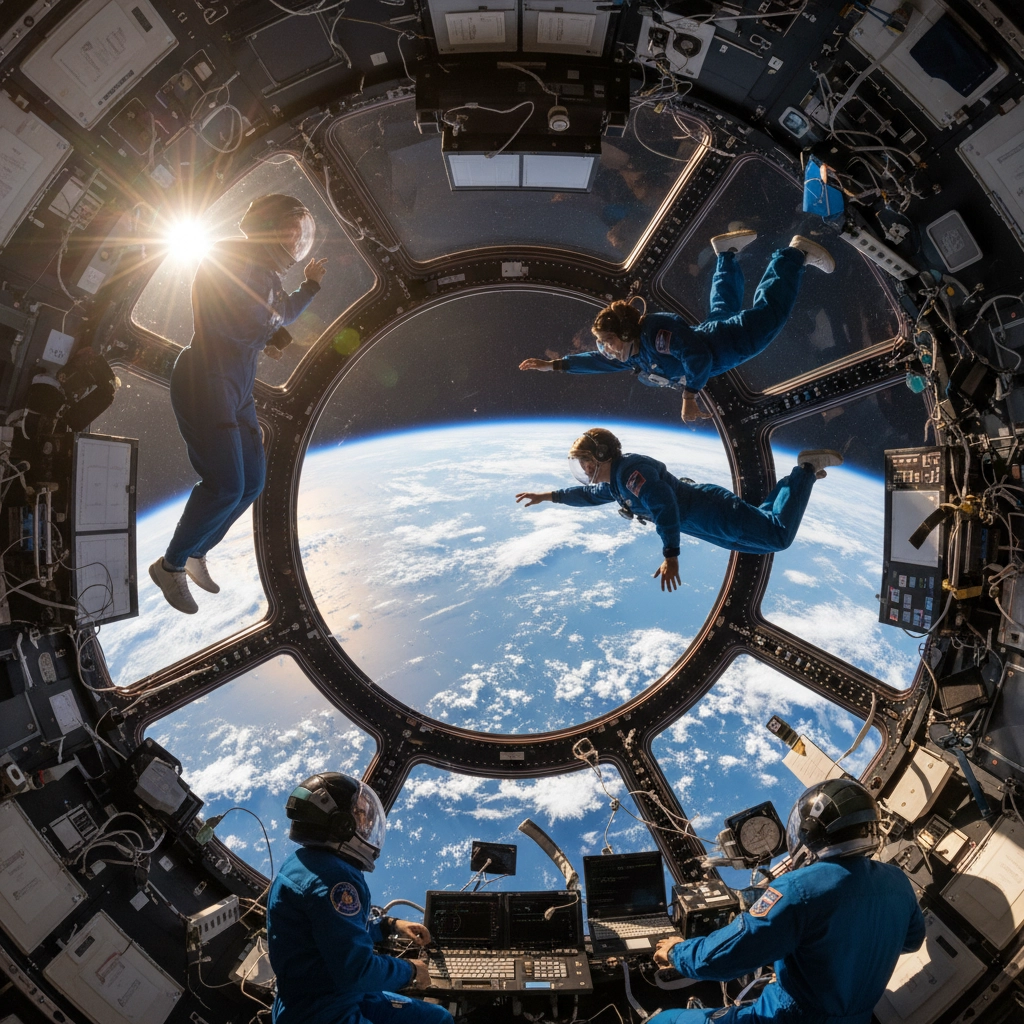
What's truly mind-blowing is that more than 40% of all humans who have ever been to space have visited the ISS. As a result, nearly 127 person-years of human experience have been accumulated in this unique environment. Can you imagine spending that much collective time floating in microgravity, conducting experiments, and gazing down at Earth?
The construction itself was an engineering marvel that took years to complete. Initially launched in 1998, the station grew module by module until it became the sophisticated research platform we know today. Earlier American station proposals evolved into an international partnership. Russia joined the programme in the 1990s, alongside Canada, Japan and participating European countries.
See NASA’s station anniversary coverage for the mission history.
Scientific Breakthroughs in Orbit
The ISS anniversary also celebrates an extraordinary laboratory in space. Over these 25 years, astronauts have conducted more than 4,000 scientific investigations, resulting in an impressive 4,400 published papers. Furthermore, 2024 alone saw 361 new papers published from ISS research.
This research involves over 5,000 scientists from 110 countries working across nearly 200 distinct scientific facilities. The experiments range from studying how flames behave in microgravity to growing perfect protein crystals that could revolutionise medicine. Additionally, astronauts have been preparing for humanity's next giant leap: the upcoming Artemis missions that will return humans to the Moon.
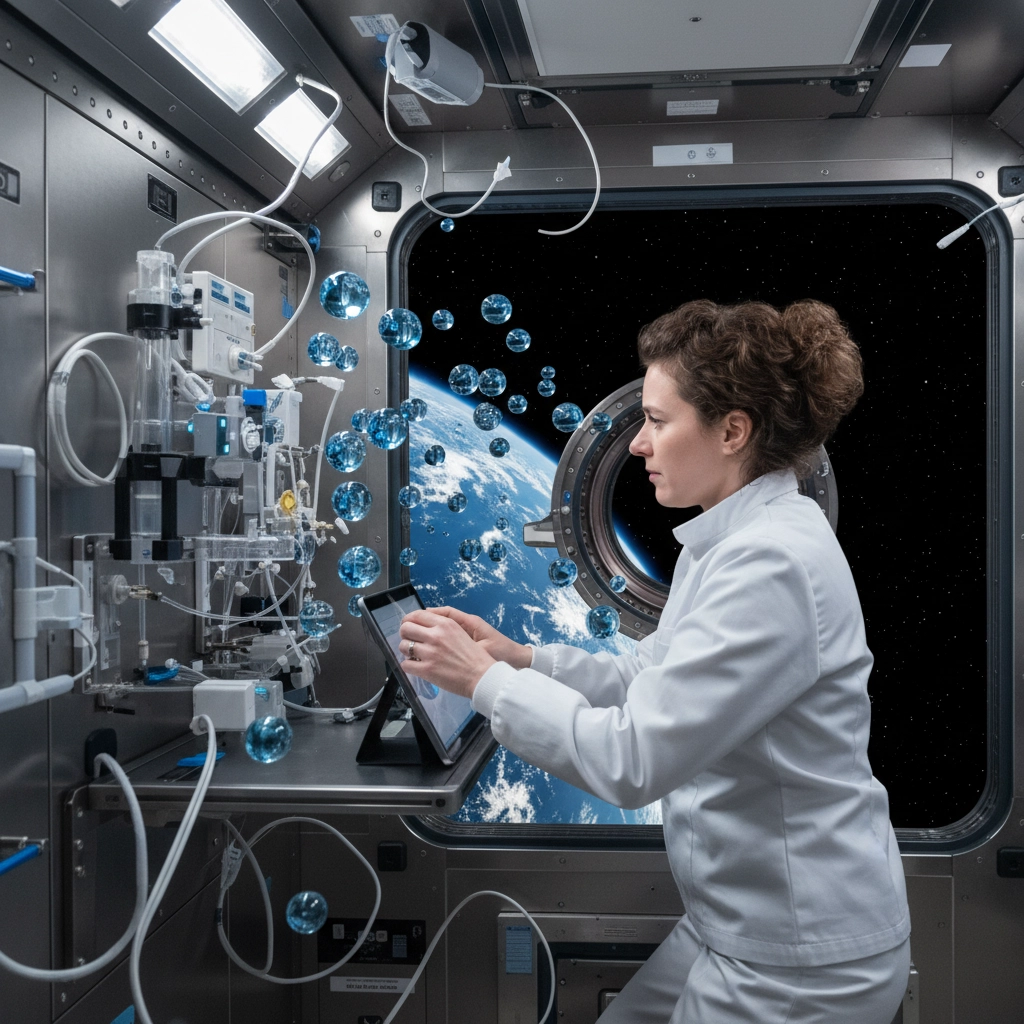
But here's what's particularly exciting for space tourism enthusiasts: much of this research focuses on how humans adapt to living in space. As a result, scientists better understand health during extended space journeys. This knowledge also informs planning for private crews.
Where Space Tourism Was Born
The International Space Station hosted Dennis Tito’s pioneering privately funded visit in 2001. While most visitors have been professional astronauts, the station has occasionally welcomed space tourists and even hosted a movie director filming in orbit.
These early visits showed that carefully selected and trained private travellers could adapt to orbit. Therefore, they helped open the door to later commercial missions. However, these visits were limited and expensive, serving more as proof of concept than accessible tourism.
The ISS anniversary highlights how people adapt to extended stays in space. Consequently, this knowledge has become the foundation for companies now developing space tourism experiences, from brief suborbital flights to extended orbital stays.
The Future: Commercial Space Stations
Unfortunately, all good things must come to an end. NASA supports station operations through 2030. In 2024, it awarded SpaceX a contract to develop a vehicle for the eventual controlled deorbit. However, this isn't the end of the story: it's actually the beginning of something even more exciting.

The ISS anniversary also draws attention to the coming transition. NASA aims to maintain its presence in low Earth orbit. Axiom Space plans to attach commercial modules and later separate them into an independent station. However, development schedules and technical milestones still matter. Therefore, this transition represents a fundamental shift from government-only space stations to multiple commercial platforms.
Several companies are developing their own orbital facilities, and NASA is investing heavily in these "commercially-owned and operated platforms." As a result, instead of relying on a single government station, multiple commercial operators could eventually provide orbital infrastructure.
What This Means for Your Future Holidays in Space
This shift to commercial space stations is revolutionary for space tourism. While the ISS primarily served scientific and governmental purposes, these new commercial platforms are being designed with broader accessibility in mind. Furthermore, competition between multiple operators should drive innovation and potentially make space experiences more attainable.
The ISS anniversary celebrates lessons about food preparation and exercise in microgravity. This knowledge directly translates to making holidays in space more comfortable and enjoyable for tourists. Additionally, researchers study the psychological effects of long stays in space. Their work could inform the design of future habitats.
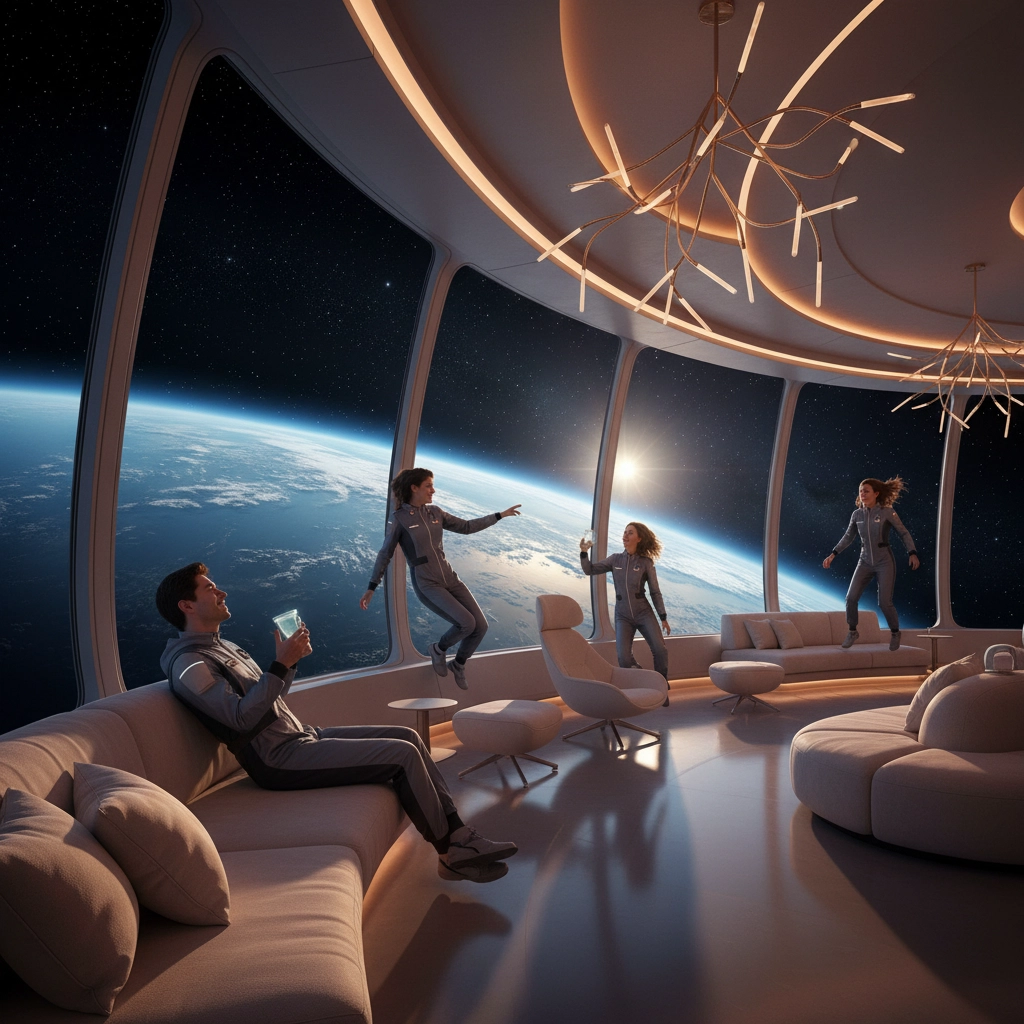
Companies developing commercial space stations are incorporating lessons learned from the ISS to create facilities that serve both research and tourism. As a result, future visitors might enjoy Earth views and private quarters. However, each operator must demonstrate its facilities and receive the necessary approvals.
The ISS Anniversary and the Adventure Ahead
The International Space Station's 25-year journey represents humanity's first successful attempt at permanent space habitation. However, its greatest legacy might be proving that space is no longer the exclusive domain of government astronauts. The station has shown that humans can live and work in low Earth orbit. They can also enjoy its weightless environment.
As we look toward 2030 and beyond, the transition from the ISS to commercial space stations marks the beginning of a new era. This shift promises to make space more accessible to adventurous travellers seeking the ultimate holiday experience. A quarter-century of orbital experience informs future missions. Nevertheless, space tourism still involves complex operations and significant risks.
Are you ready to be part of this incredible adventure? Future holidays in space could build on 25 years of orbital experience. However, availability depends on operators, training and mission approval. Learn more about how much it costs to take a trip to space and discover when your own space adventure might become reality.
The stars are calling; and thanks to the ISS legacy, answering that call is becoming an achievable dream for adventurous travellers everywhere.