
Have you ever gazed up at the Moon and wondered what it would be like to actually visit? While that dream might have seemed impossibly distant just a decade ago, Europe's space industry is working overtime to make lunar missions a reality: and Italy is leading the charge. This week, the spotlight has been firmly on Rome as space industry leaders gather to discuss how lunar missions could revolutionize not just scientific exploration, but potentially open the door to Moon-based tourism within the next decade.
Italy Takes Center Stage in Europe's Space Ambitions
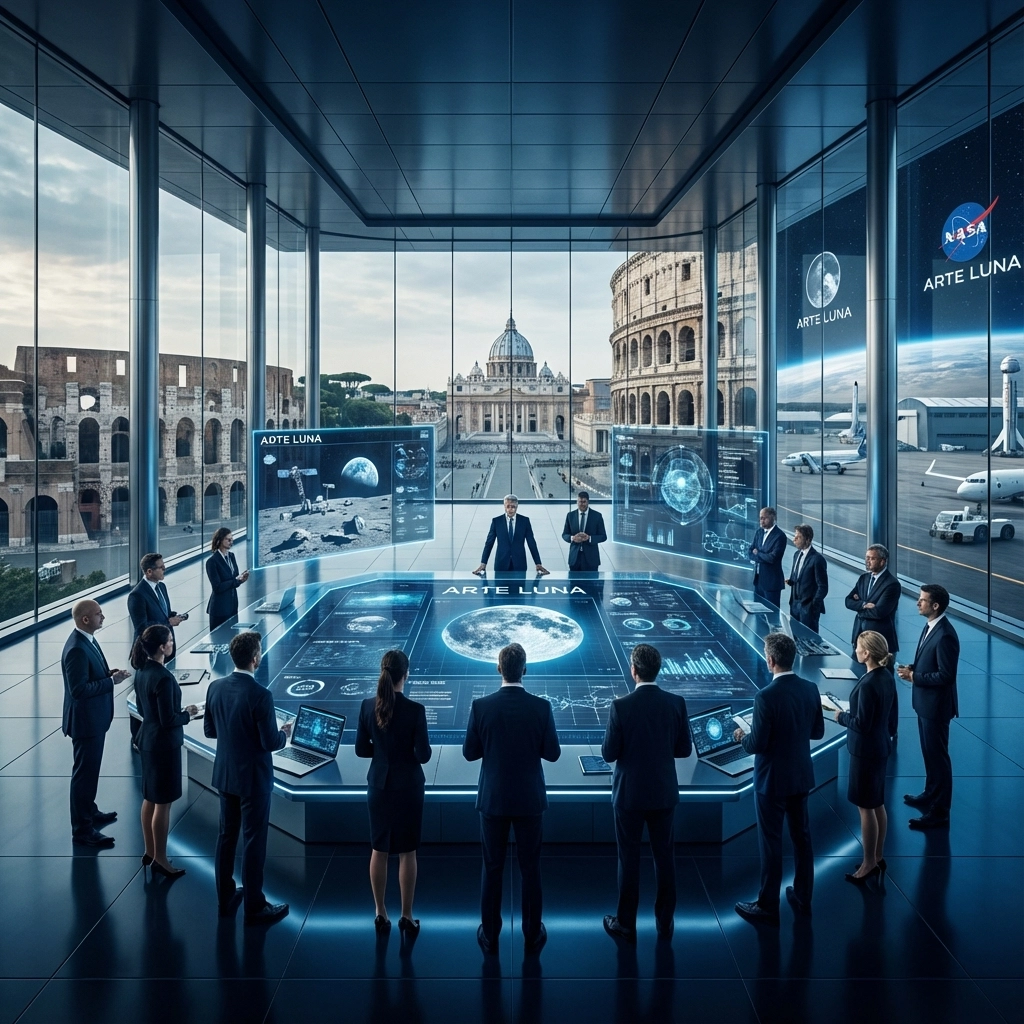
December has been a landmark month for Italy's space economy, with two major industry events showcasing the country's growing influence in European space exploration. The Lunar Economy Summit took place in Turin from December 3-4, bringing together global leaders to explore the industrial and economic dimensions of lunar missions. Now, through December 12, Rome is hosting the New Space Economy 2025 conference at Fiera di Roma, where the conversation continues about transforming space technology into real-world applications.
These aren't just academic discussions: they're laying the groundwork for a future where lunar missions become as routine as international flights. Italy's recently adopted Space Economy Law (Law No. 89/2025) is already positioning the country as a major player in shaping Europe's unified space market, creating the regulatory framework needed for ambitious lunar missions to take off.
What Makes These Lunar Missions Different?
The lunar missions being discussed at these Italian summits aren't your grandfather's Apollo program. Modern European space initiatives are focusing on sustainable lunar exploration and habitation, with companies showcasing cutting-edge technologies that could support long-term human presence on the Moon. From emerging startups to established aerospace giants, the industry is developing innovations that go far beyond simple scientific research.
The Argonaut lunar landers, part of the European Space Agency's ambitious lunar exploration program, represent a new generation of spacecraft designed specifically for cargo delivery and eventual human transport to the Moon's surface. These aren't just one-way trips for scientific equipment: they're being designed with the infrastructure needed to support regular lunar missions and potentially commercial activities.
What's particularly exciting is how these lunar missions are being planned with commercial applications in mind from the very beginning. Unlike previous space programs that were purely government-funded scientific endeavors, today's lunar missions are incorporating private sector innovation and commercial viability into their core design philosophy.
The Technology Behind Tomorrow's Moon Holidays
The technologies being showcased at Italy's space economy events reveal just how close we are to making lunar tourism a reality. Advanced life support systems, improved radiation shielding, and revolutionary propulsion technologies are all being developed with an eye toward making lunar missions safer, more affordable, and more accessible to civilians.
Transportation innovations discussed at the New Space Economy conference demonstrate how space technology is rapidly advancing beyond traditional government programs. Private companies are developing reusable spacecraft, improved launch systems, and orbital infrastructure that could dramatically reduce the cost of lunar missions while increasing their frequency and safety.

Perhaps most intriguingly, the summit discussions have highlighted how artificial intelligence and automation are revolutionizing space exploration. These AI-powered systems aren't just making lunar missions more efficient: they're making them possible for non-professional astronauts by handling complex navigation, life support monitoring, and emergency response procedures automatically.
From Scientific Exploration to Lunar Tourism
The transition from scientific lunar missions to commercial space tourism might happen faster than most people realize. Industry leaders at these Italian summits are discussing timelines that could see the first commercial lunar flights within the next decade, with initial missions likely focusing on lunar orbit experiences before progressing to surface landings.
The economic models being developed suggest that lunar missions could follow a similar trajectory to early commercial aviation: starting as exclusive experiences for wealthy adventurers before gradually becoming more accessible to the general public. The infrastructure being planned for scientific lunar missions is deliberately designed to support eventual commercial activities, from luxury lunar hotels to adventure tourism on the Moon's surface.
Space tourism companies are already planning how to leverage the lunar infrastructure being developed through these European initiatives. The sustainable exploration technologies being showcased in Rome could form the foundation for regular passenger service to the Moon, complete with the safety standards and reliability needed for civilian space travel.
What This Means for Your Space Travel Dreams
The developments being discussed at Italy's space economy summits represent more than just technological advancement: they're laying the groundwork for a future where space travel becomes a legitimate vacation option. The lunar missions being planned today could become the foundation for tomorrow's space tourism industry.
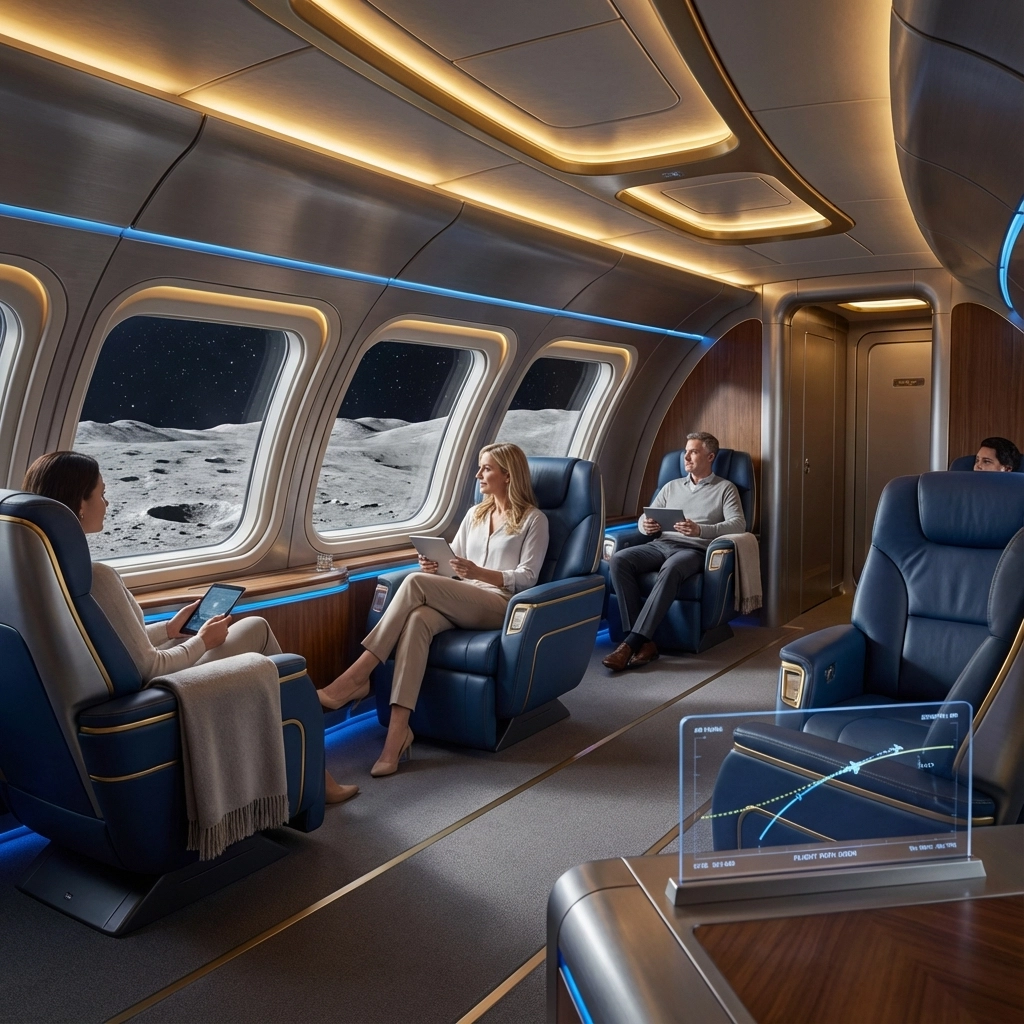
For space enthusiasts wondering when they might be able to book their own lunar adventure, these Italian summits suggest the timeline is accelerating rapidly. The combination of private sector innovation, government support, and international collaboration being demonstrated in Rome points toward a future where lunar missions become routine within the next decade.
The technologies being developed for these lunar missions: from improved spacecraft design to advanced life support systems: will inevitably benefit the broader space tourism industry. As lunar missions become more frequent and reliable, the infrastructure and expertise developed for Moon exploration will make all forms of space travel safer and more accessible.
Europe's Competitive Edge in Space Tourism
Italy's leadership in hosting these pivotal space economy events demonstrates Europe's commitment to remaining competitive in the global space race. The European approach to lunar missions emphasizes sustainability, international cooperation, and commercial viability: factors that could give European space tourism companies a significant advantage in the developing market.
The regulatory framework being established through Italy's Space Economy Law provides the legal foundation needed for commercial space operations to flourish. This isn't just about enabling lunar missions: it's about creating the business environment where space tourism companies can operate confidently and safely.
European space initiatives are also focusing heavily on passenger safety and comfort, recognizing that successful space tourism requires more than just getting people to space: it requires getting them there safely and providing an experience they'll remember for a lifetime. The technologies being developed for lunar missions are incorporating these considerations from the ground up.
The RocketBreaks Advantage
At RocketBreaks, we're closely monitoring these exciting developments in European space exploration. Our bespoke space travel experiences are designed to take advantage of these rapidly advancing technologies, offering our clients access to the most cutting-edge space tourism opportunities as they become available.
The lunar missions being planned at these Italian summits represent exactly the kind of innovative, adventurous experiences that our clients are seeking. As the space tourism industry evolves from suborbital flights to orbital experiences and eventually to lunar exploration, we're positioning ourselves to offer these incredible adventures to space enthusiasts who refuse to settle for ordinary vacations.
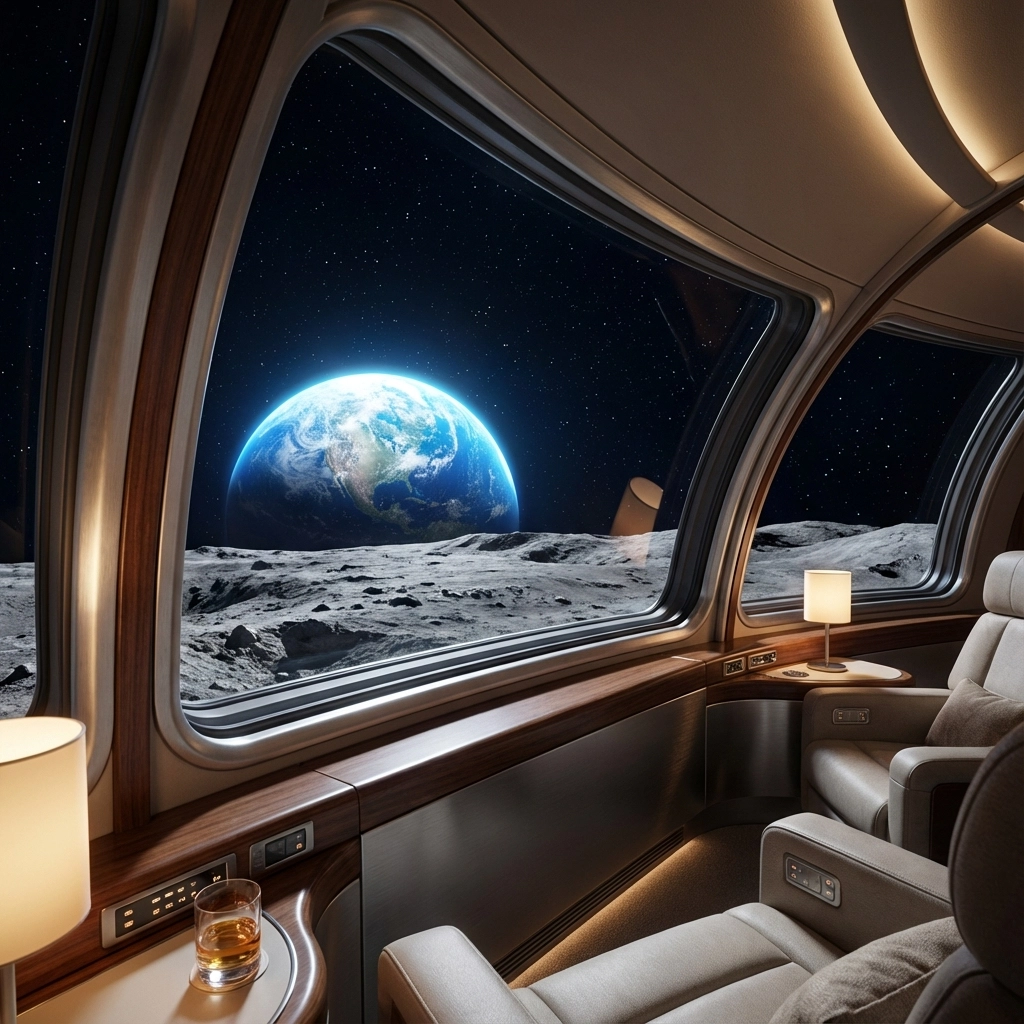
Our luxury space holiday offerings are specifically designed to evolve with the industry, ensuring that our clients have access to the most exclusive and exciting space travel experiences as they become available. Whether it's witnessing Earth from orbit or potentially experiencing the Moon's lower gravity firsthand, we're committed to making these once-impossible dreams into achievable adventures.
Looking Ahead: When Will Moon Holidays Become Reality?
The discussions taking place at Italy's space economy summits suggest that commercial lunar missions could begin within the next 5-10 years, with initial offerings likely focusing on lunar flyby experiences before progressing to surface landings. The infrastructure being developed for scientific missions is deliberately designed to support eventual commercial activities, suggesting that the transition to lunar tourism could happen more quickly than previously anticipated.
Industry projections discussed in Rome indicate that the first commercial lunar experiences might be available to adventurous travelers willing to invest in truly exclusive space tourism by the early 2030s. As the technology matures and costs decrease, lunar missions could become increasingly accessible to a broader range of space enthusiasts.
The key factors driving this timeline include continued private sector investment, international cooperation on lunar infrastructure development, and the regulatory frameworks being established by countries like Italy. The combination of these elements suggests that the dream of Moon holidays is transitioning from science fiction to business planning.
Your Gateway to Tomorrow's Space Adventures
The groundbreaking work being showcased at Italy's space economy events represents more than just technological achievement: it's opening the door to a future where space travel becomes an integral part of luxury tourism. As these lunar missions progress from planning to reality, the opportunity to be among the first space tourists to experience the Moon firsthand becomes increasingly tangible.
Whether you're dreaming of witnessing Earth rise over the lunar horizon or experiencing the unique thrill of low-gravity exploration, the developments coming out of Italy's space summits suggest these experiences could be available sooner than you think. The question isn't whether commercial lunar missions will happen: it's whether you'll be ready to take that giant leap when the opportunity arrives.
At RocketBreaks, we're already preparing for this exciting future, ensuring our clients will have access to the most extraordinary space travel experiences as they become available. The age of space tourism is here, and the Moon might just be your next vacation destination.