
The NS-36 mission carried six passengers on a New Shepard suborbital flight on 8 October 2025. It was the programme’s 15th human flight.
Have you wondered what weightlessness feels like above Earth? Well, six lucky adventurers just found out firsthand when Blue Origin successfully completed its 15th commercial space tourism mission on October 8, 2025. The NS-36 mission added another crewed flight to the programme’s history. However, private spaceflight remains a specialised activity.
The flight launched from West Texas and lasted about ten minutes. It carried a crew with varied professional backgrounds. But here's what makes this flight truly significant: it's proof that commercial space travel is no longer a futuristic fantasy: it's happening right now, and it's getting better with every launch.
NS-36 Mission: Meet the Crew
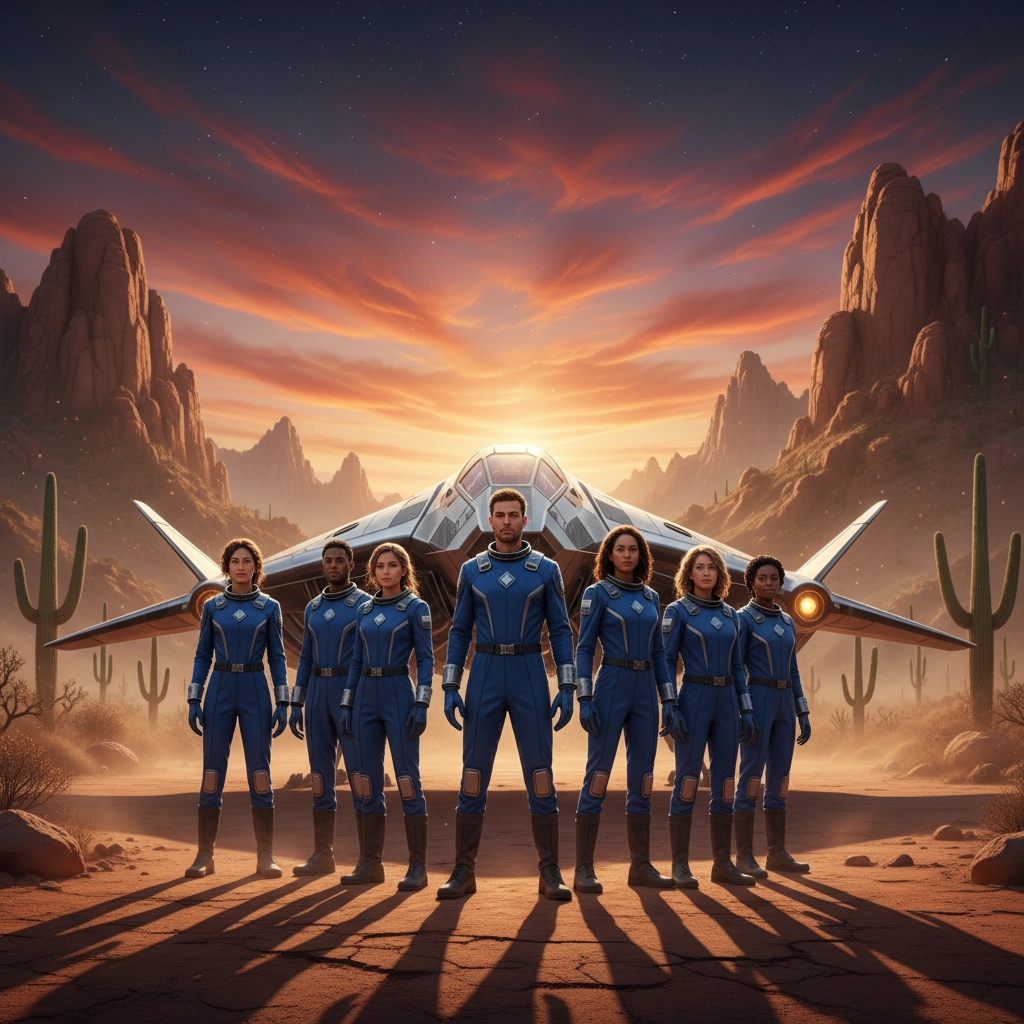
The six passengers aboard NS-36 dubbed themselves the "Space Nomads," and what a crew they were! The group included franchise executive Jeff Elgin, media entrepreneur Danna Karagussova, electrical engineer Clint Kelly III, software entrepreneur Aaron Newman, Ukrainian businessman Vitalii Ostrovsky, and Will Lewis, whose name became public after landing.
The crew brought varied professional experience to the NS-36 mission. These weren't all billionaire tech moguls or celebrities seeking publicity. They were professionals from various fields, united by one common dream: to experience space firsthand. The experience highlighted the continuing appeal of seeing Earth from above.
Interestingly, Kelly was actually a repeat customer, having previously flown on New Shepard's NS-22 mission back in August 2022. The fact that people are returning for second trips tells us something important: this isn't just about bragging rights: it's about an experience so transformative that people want to do it again.
NS-36 Mission: How the Flight Worked
The NS-36 mission completed successfully. New Shepard, Blue Origin's reusable rocket system, performed exactly as designed. The booster lifted the capsule and then separated. Subsequently, it returned for a vertical landing while the capsule continued its suborbital arc.
Near apogee, passengers experienced weightlessness and views of Earth. Then, as the capsule descended, the capsule deployed its parachutes and touched down gently in the Texas desert, completing another textbook flight.
This level of reliability is crucial for the future of Blue Origin space tourism. Every successful mission builds confidence not just among future passengers, but within the broader space industry. We're witnessing the transformation of space travel from experimental adventure to routine operation.
Why Reusability Changes Everything
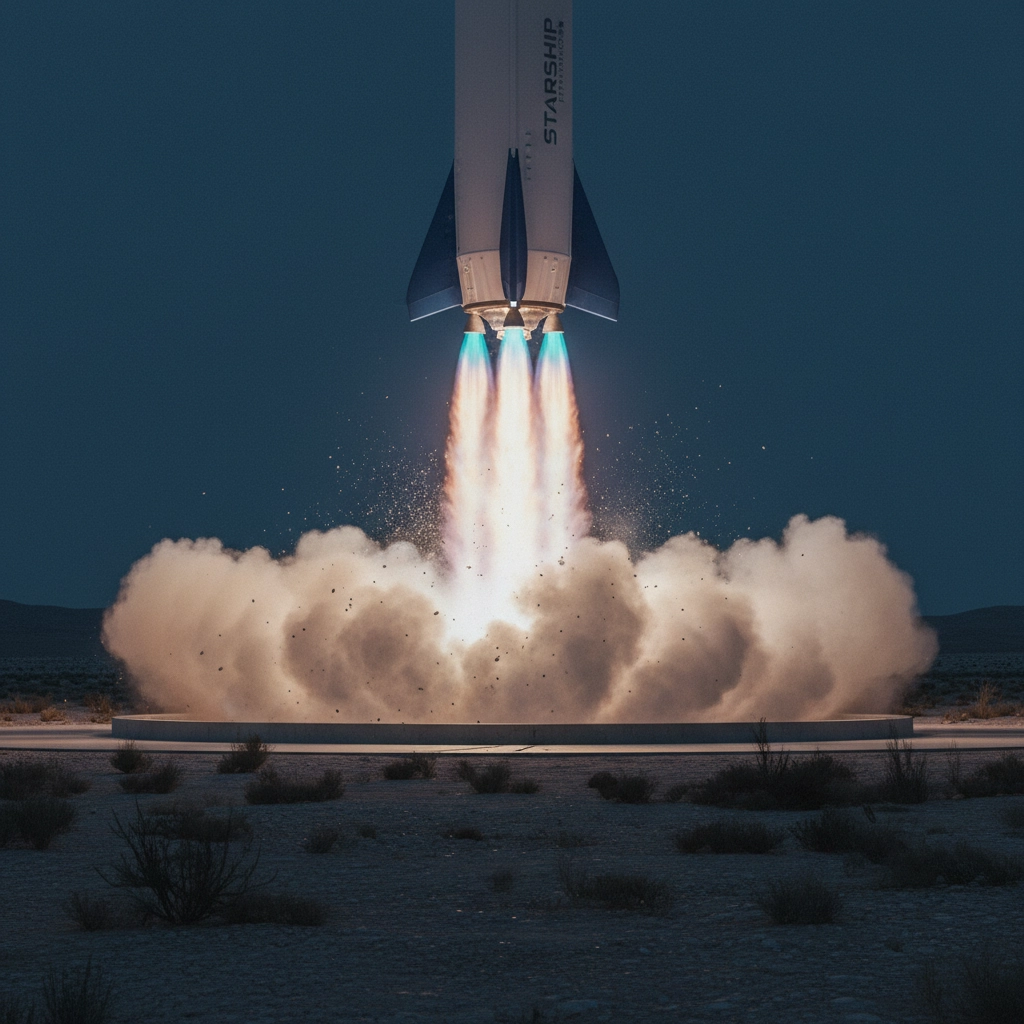
Here's where things get really exciting for the future of space travel: reusability. Unlike the early space age, where every rocket was essentially a very expensive firework used once and then lost forever, New Shepard returns to fly another day. Reusability can affect operating economics. However, environmental benefits require separate assessment.
Think about it this way: imagine if every time you wanted to fly across the country, airlines had to build an entirely new plane, use it once, and then throw it away. Air travel would cost millions of dollars per ticket instead of hundreds. The same principle applies to space travel. As Blue Origin refines its reusable rocket technology and completes more flights, the cost per seat should theoretically decrease over time.
This mission marked Blue Origin's 36th New Shepard flight overall, with 21 of those being uncrewed research missions. Each flight provides valuable data that improves safety, reliability, and efficiency for future missions. Nevertheless, more flights do not guarantee lower passenger fares.
NS-36 Mission and the Commercial Market
What's particularly fascinating about the NS-36 mission is how normal it felt. There wasn't the massive media circus that surrounded early space tourism flights. Social media buzzed for a day, but then we all moved on with our lives. In a strange way, this normalcy is exactly what the industry needs.
When space travel becomes routine rather than extraordinary, that's when we know we've truly entered a new era. Blue Origin is competing with companies like Virgin Galactic and SpaceX in what's becoming a legitimate commercial market. Different companies are targeting different segments: suborbital versus orbital experiences: but they're all contributing to the same goal: making space accessible to more people.
The diversity of the NS-36 crew also signals something important about the market's evolution. Early space tourists were primarily ultra-wealthy individuals making headlines with their flights. Today's passengers represent a broader cross-section of successful professionals who've likely saved, planned, and dreamed of this experience for years.
What This Means for Aspiring Space Travelers

If you've ever looked up at the night sky and wondered what it would feel like to be up there, missions like NS-36 are bringing that possibility closer to reality. However, fares remain substantial and vary by provider. Lower prices are a possibility, rather than a guaranteed trend. The NS-36 mission did not establish a new public ticket price.
The beauty of Blue Origin's approach is its focus on the suborbital experience. You don't need to commit to days or weeks in space like orbital missions require. The entire experience, from takeoff to landing, happens in about 10 minutes. Passengers experience weightlessness and views of Earth. In addition, the complete programme requires preparation beyond the short flight itself.
For those curious about the broader landscape of space travel costs and options, the market is rapidly evolving with various price points and experiences becoming available.
The Ripple Effects Beyond Tourism
The NS-36 mission also contributed operational experience. Lessons from crewed flights may inform other programmes. Flights exercise life support, navigation and recovery procedures. However, lunar and orbital vehicles require different capabilities from New Shepard.
Blue Origin isn't just building a space tourism business: they're developing the infrastructure for humanity's expansion into space. The same reusable rockets that carry tourists today could carry researchers, equipment, and supplies tomorrow. The operational procedures being refined through tourism flights are laying the groundwork for more complex missions.
NS-36 Mission: What Comes Next?
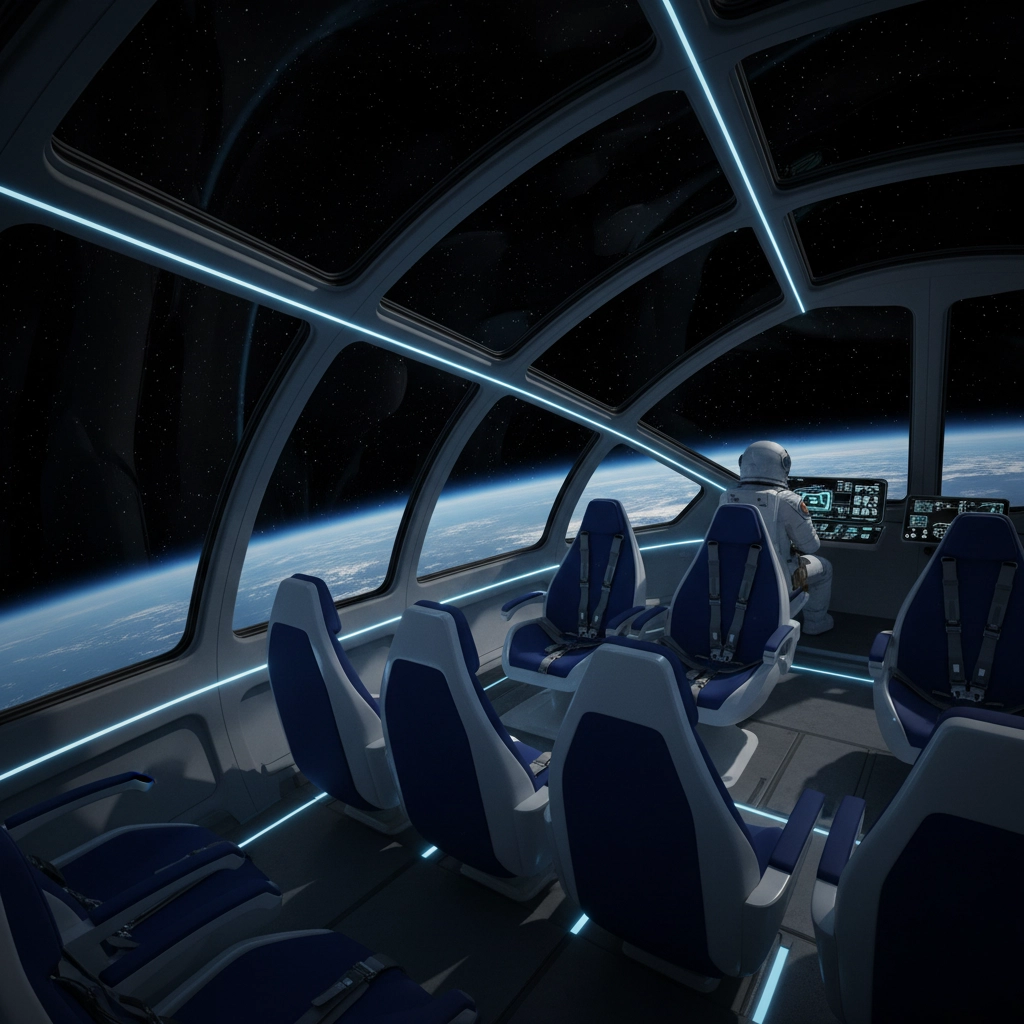
The success of NS-36 and Blue Origin's growing flight cadence suggest we're entering a new phase of space tourism maturity. As operations become more routine and costs continue to decrease, we're likely to see several important developments:
First, expect to see more diverse passenger manifests. As space travel becomes more accessible, we'll see people from different economic backgrounds, cultures, and professions making the journey. The democratization of space access is just beginning.
Second, competition will drive innovation and cost reduction. As Blue Origin, Virgin Galactic, SpaceX, and newer companies compete for customers, they'll need to differentiate through better experiences, lower prices, or both.
Finally, regulatory frameworks will continue evolving to support this growing industry. The Federal Aviation Administration and other space agencies worldwide are adapting their oversight approaches to balance safety with commercial innovation.
The Adventure Awaits
The NS-36 mission marked another step in commercial human spaceflight. Passengers bring home personal accounts of weightlessness and views of Earth. Those accounts can inspire interest without proving broad affordability.
For those of us still dreaming of our own space adventure, missions like this prove that dream is becoming more achievable every day. The technology is proven, the operations are maturing, and the industry is growing. Whether through Blue Origin's suborbital flights, other companies' orbital experiences, or future space hotels and lunar excursions, space tourism is transforming from science fiction into accessible reality.
Future growth remains uncertain. Spaceflight still involves specialised training, funding and operational constraints. Based on what we're seeing with missions like NS-36, that future might be closer than we think.
Want to stay updated on the latest developments in space tourism and commercial space travel? The industry is moving fast, and new opportunities for space adventures are emerging regularly. Your own journey to space might be just around the corner.
See Blue Origin’s official NS-36 mission record for confirmed crew information.