
Private space stations could support research and human activity after the International Space Station. NASA is working towards commercial destinations in low Earth orbit, with the ISS partnership committed through 2030. However, proposed stations remain development projects rather than operating holiday resorts.
Private Space Stations and the Transition from the ISS
The ISS has supported decades of scientific work and international cooperation. Consequently, replacing its capabilities involves more than building new accommodation. Future facilities need dependable transport, life support, research equipment and operational teams.
NASA aims to purchase services as one customer among several. In addition, companies hope to serve governments, researchers and other commercial users. See NASA’s commercial station programme for the broader approach.
Private space stations may use different designs and business models. Nevertheless, commercial ownership does not make safety, funding or technical challenges disappear. Each programme must demonstrate its own readiness.
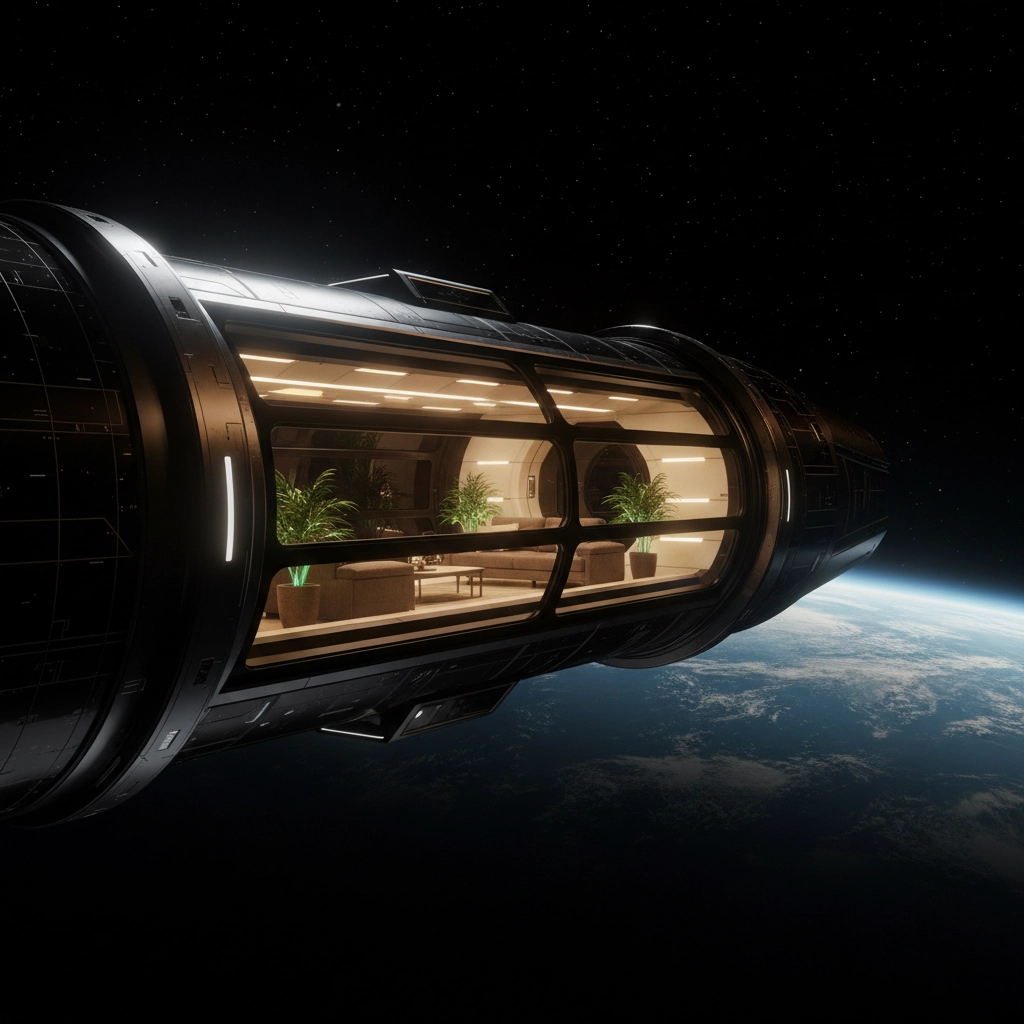
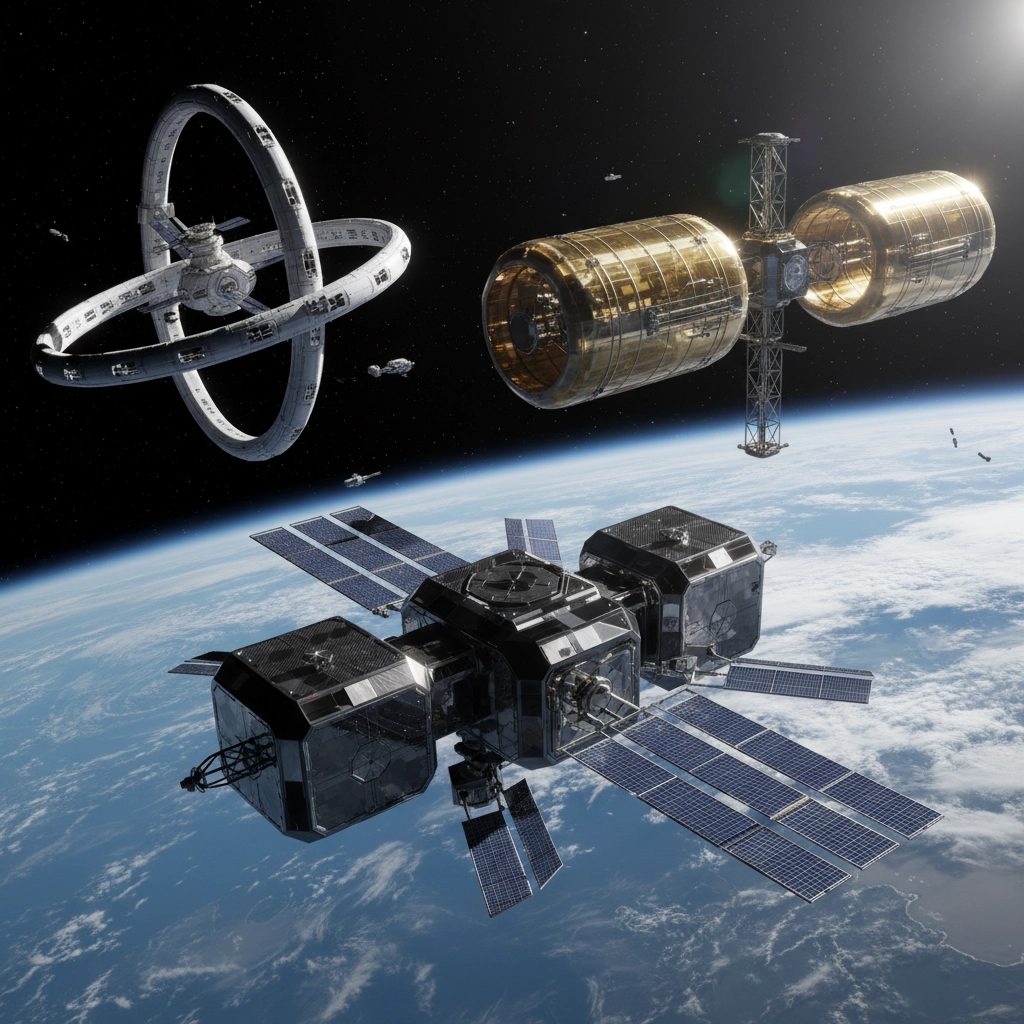
Axiom, Orbital Reef, Vast and Starlab
Axiom Space is developing commercial station infrastructure intended to operate independently. Meanwhile, Orbital Reef proposes a commercial destination for multiple kinds of activity. Both projects require further development before they can provide operational services.
Vast is developing Haven-1 and a larger station roadmap. However, Haven-1 and Haven-2 should not be described as offering operational artificial gravity. Their planned orbital environments differ from the company’s longer-term ambitions for rotating habitats.
Starlab’s programme includes Voyager and Airbus among its partners. Its current design uses a metallic habitat and targets a single launch aboard Starship. Therefore, the earlier description of an inflatable Lockheed Martin-led station does not reflect the programme’s updated design.
Private Space Stations: What Visitors Might Experience
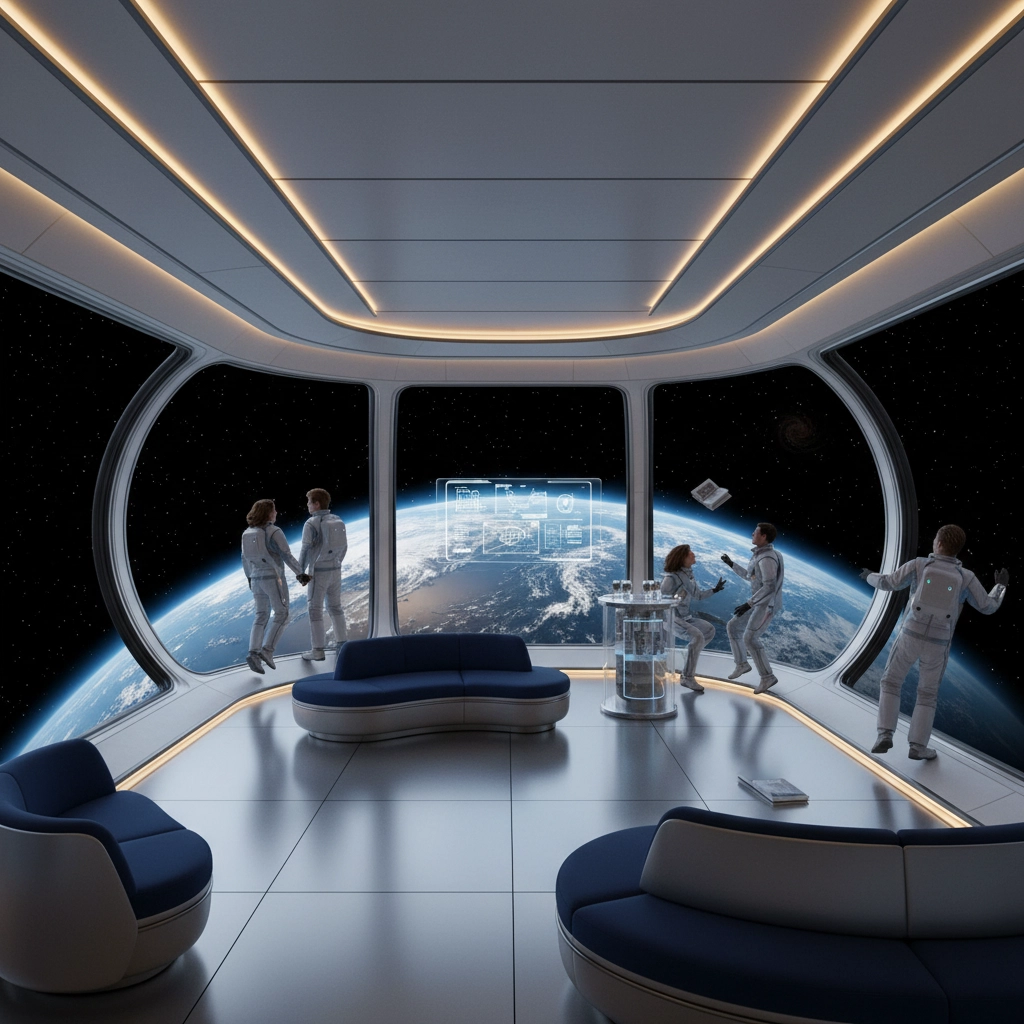
Private space stations could accommodate selected astronauts and research participants. For example, designs may include crew quarters, exercise equipment and observation windows. Yet the exact facilities vary between programmes.
Living in microgravity changes daily routines. Consequently, crews need training for work, meals, hygiene and emergencies. Comfortable interiors can help, but they do not make an orbital mission equivalent to a terrestrial hotel stay.
Private space stations also need clear mission arrangements. Passenger access would depend on vehicle readiness, medical suitability, preparation and funding. Activities such as orbital sports or photography workshops should remain possibilities unless an operator confirms them.
Research and Commercial Uses
Microgravity can support investigations that differ from experiments on Earth. For instance, researchers study biological processes, materials and fluid behaviour. Commercial facilities could offer additional opportunities if their operating models prove viable.
However, proposed manufacturing and research services still need customers, suitable hardware and reliable logistics. A broad range of potential activities does not guarantee profitability. Furthermore, scientific results require analysis rather than immediate claims of breakthrough products.

A Long-Term Vision, with Practical Milestones
Private space stations may expand human activity in low Earth orbit. Nevertheless, they do not establish a passenger network to lunar hotels, asteroid outposts or Mars. Those destinations require separate capabilities and extensive development.
Therefore, follow programme milestones rather than treating aspirational renderings as confirmed services. Launch schedules, certification and customer access can change. A realistic assessment considers both technical progress and unresolved requirements.

Explore Available Experiences
Private space stations offer an interesting direction for commercial spaceflight. However, existing launch-viewing trips and weightless flights provide different experiences that travellers can investigate today. Compare the destination, preparation and availability before planning.
Contact RocketBreaks for realistic guidance about available options. You can also read about private astronaut missions through our wider space news coverage.