
SpaceX Starship launch cost is a development question, rather than a published tourist ticket price. This October 2025 guide explains the distinction.
Have you ever wondered what it would actually cost to reach the stars? The SpaceX Starship launch cost represents one of the most revolutionary developments in space access, with SpaceX’s latest rocket promising to slash the price of getting to orbit by orders of magnitude. The planned Flight 11 launch on 13 October 2025 marks another crucial step toward making space tourism accessible to ordinary people like you and me.
As a space enthusiast, you’ve probably dreamed of floating weightlessly among the stars or gazing down at Earth from orbit. However, traditional space travel has remained frustratingly expensive, with launch costs running into hundreds of millions of dollars. Fortunately, SpaceX’s Starship is changing everything we thought we knew about space economics.
The Massive Investment Behind SpaceX Starship launch cost
SpaceX has invested heavily in developing Starship. Development spending is different from the cost of operating one flight. Furthermore, neither figure automatically determines what a customer would pay.
Nevertheless, this massive investment serves a clear purpose. Traditional rockets are essentially expensive pieces of hardware that get thrown away after a single use. In contrast, Starship represents a completely different approach: both the Super Heavy booster and the Ship upper stage are designed for full reusability, potentially flying hundreds of times.
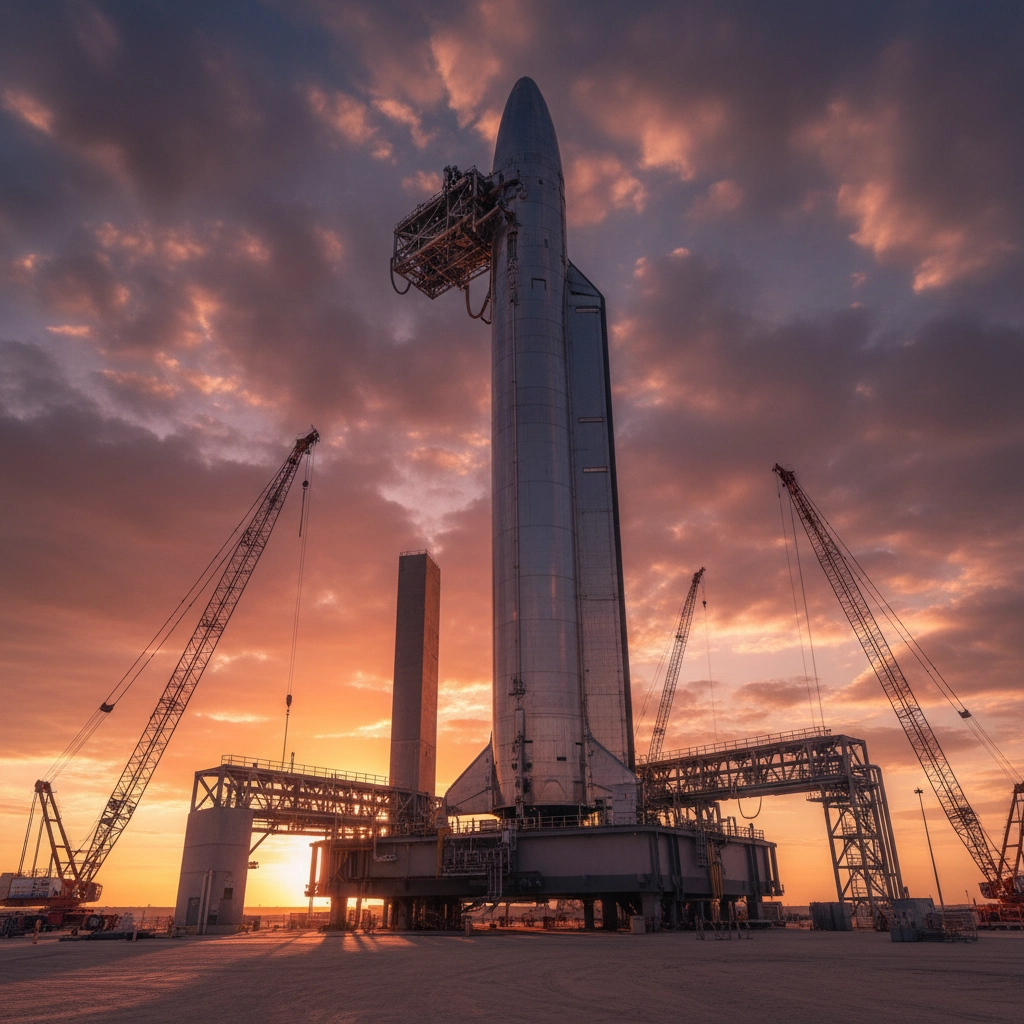
To support this ambitious program, SpaceX has secured significant external funding alongside private investment. NASA awarded the company a $2.89 billion fixed-price contract in April 2021 to develop the Starship lunar lander for the Artemis III mission. Subsequently, they received an additional $1.15 billion contract in 2022 for Artemis IV operations. Additionally, the U.S. Space Force contributed with a $102 million five-year contract for the Rocket Cargo program.
The Revolutionary SpaceX Starship launch cost Target
Here’s where things get truly exciting for space tourism enthusiasts. Elon Musk has discussed ambitious long-term targets for SpaceX Starship launch cost. However, these depend on achieving full and rapid reusability. Internal marginal costs primarily concern propellant and operations. They exclude important costs that customer pricing may need to cover.
To put this in perspective, current heavy-lift rockets cost hundreds of millions of dollars per launch. Starship’s combination of unprecedented power and complete reusability creates the potential for this dramatic cost reduction. However, customer pricing would certainly be higher to account for development costs and profit margins.
Even so, imagine the possibilities. Lower launch costs would make space tourism significantly more accessible, enable construction of large orbital infrastructure, and support extensive Mars colonization efforts. Furthermore, Starship could enable rapid cargo delivery anywhere on Earth through point-to-point space travel.

Flight 11: Another Step Toward Affordable Space Access
Today’s Flight 11 launch from SpaceX’s Starbase facility in South Texas continues the testing campaign that brings Starship closer to operational status. The mission follows a similar profile to previous flights, with Super Heavy targeting a controlled splashdown in the Gulf of Mexico approximately 6.5 minutes after liftoff. Meanwhile, the Ship upper stage aims for the Indian Ocean about an hour later.
Each test flight provides crucial data for achieving the reliability and rapid turnaround times necessary to realize affordable space access. The ability to launch during a 75-minute window demonstrates growing operational flexibility. Additionally, the focus on controlled water landings refines the precision needed for future tower catches and ground landings.
These incremental improvements directly impact SpaceX Starship launch cost economics. Rapid reusability requires precise landings, quick turnarounds between flights, and minimal refurbishment between missions. Every successful test brings us closer to the day when space travel becomes as routine as international flights.
Making Space Accessible to Everyone
Starship’s ultimate promise lies in dramatically lowering the cost per kilogram to orbit, which enables entirely new categories of space activities. Lower launch costs transform space from an exotic destination reserved for governments and billionaires into a practical option for businesses and adventurous individuals.
The rocket’s massive payload capacity: far exceeding any current launch system: combined with low per-flight costs could broaden opportunities over time. While customer pricing will certainly exceed SpaceX’s internal costs, future passenger fares remain unknown.
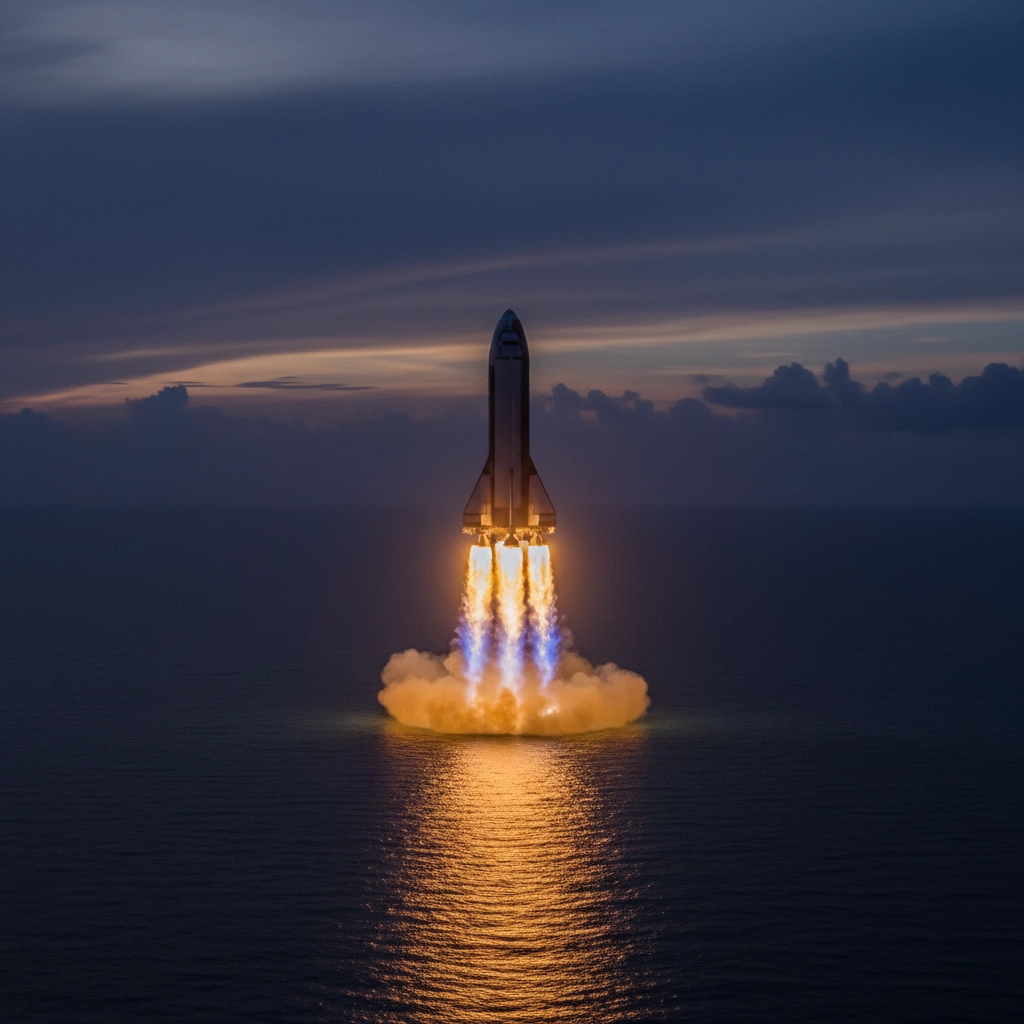
Consider the current landscape of space tourism. Companies like Blue Origin and Virgin Galactic offer suborbital flights for hundreds of thousands of dollars. However, these experiences last only minutes and don’t achieve true orbital flight. In contrast, Starship could potentially offer multi-day orbital experiences at competitive prices.
Your Personal Path to Space
So what does this mean for your space travel dreams? If SpaceX Starship launch cost falls through reusability and scale, more projects could become feasible. However, passenger access requires additional development and approvals.
Future Starship passenger fares remain speculative. Consequently, comparisons with cruise holidays should not serve as booking guidance. Existing private orbital missions involve very different budgets and arrangements.
Furthermore, the ripple effects extend beyond tourism. Lower launch costs enable space hotels, manufacturing facilities, and even permanent settlements. These developments create jobs and opportunities in the space economy, potentially making space-related careers more common and accessible.

The timeline remains uncertain, but progress is accelerating rapidly. Each successful test flight like today’s Flight 11 brings us closer to routine, affordable space access. Moreover, competition from other companies developing reusable rockets will likely drive prices down even further.
SpaceX Starship Launch Cost and the Space Economy
The transformation of SpaceX Starship launch cost economics represents more than just cheaper rockets: it’s enabling an entirely new space-based economy. Lower launch costs make satellite constellations more affordable, enabling better global internet and communication services. Additionally, space-based solar power could become easier to investigate, potentially helping solve climate change.
Manufacturing in zero gravity offers unique advantages for certain products, from fiber optics to pharmaceuticals. However, these applications only become practical when launch costs drop dramatically. Starship’s economics could unlock these opportunities, creating new industries and job categories.
The psychological impact is equally important. When space becomes affordable and accessible, it transforms from science fiction into practical reality. This shift changes how we think about our future as a species and our relationship with the cosmos.
Looking Forward to Tomorrow’s Space Adventures
Today’s Flight 11 represents another milestone toward making your space dreams achievable. While we’re not quite ready to book our orbital vacations, the outcome and timing remain uncertain.
The combination of SpaceX’s aggressive development timeline, substantial financial backing, and proven track record suggests that dramatic reductions in SpaceX Starship launch cost are genuinely achievable. Each successful flight brings us closer to the day when looking down at Earth from orbit becomes as accessible as taking a transatlantic flight was to previous generations.
Are you ready to start planning your space adventure? While Starship passenger flights remain under development, you can begin preparing now by staying informed about developments in space tourism. The space industry is evolving rapidly, therefore keeping up with the latest news helps you understand emerging opportunities.
If you’re passionate about space travel and want to stay updated on the latest developments in space tourism and launch costs, contact us at RocketBreaks to learn more about how you can be part of this incredible journey to the stars.