
Suborbital space flight is entering another development phase as Virgin Galactic prepares its Delta-class vehicles. The August 2026 update targets February 2027 for commercial service, subject to testing and readiness.
Have you ever looked up at the night sky and wondered how close space travel might be? Virgin Galactic’s latest announcement offers an exciting answer. The company has moved the target for its first Delta-class commercial mission from late 2026 to February 2027, while preparing for a major flight-test campaign later this year.
For future astronauts, this is not a retreat from the adventure. Instead, it is a carefully managed step towards a new era of suborbital space flight, built around thorough testing, engineering precision and a growing appetite for discovery.
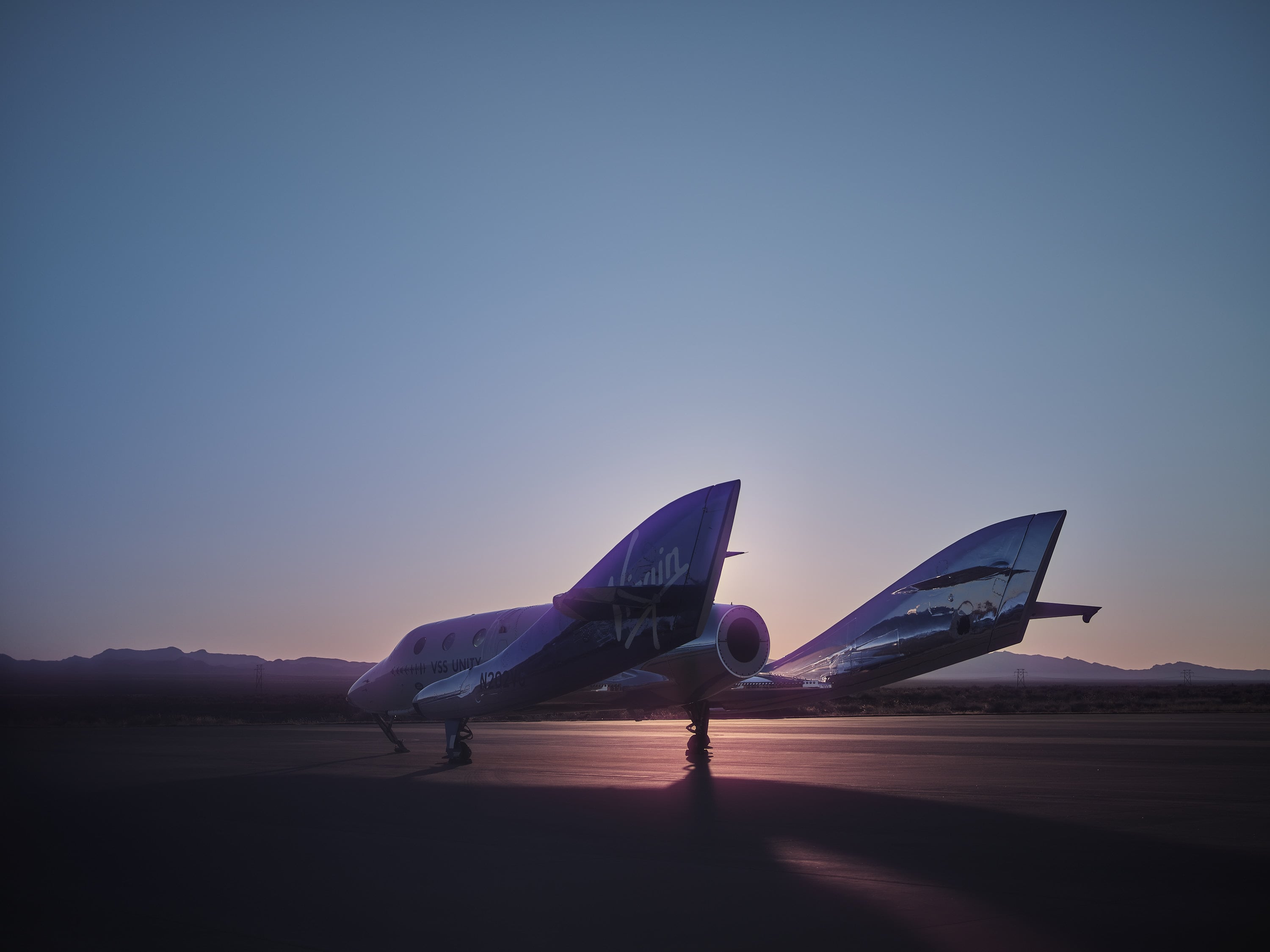
The image above is an archival RocketBreaks image of Virgin Galactic’s earlier-generation spacecraft. It is not Delta 1.
What has changed in Virgin Galactic’s Delta-class timeline?
Virgin Galactic announced the update alongside its second-quarter 2026 results on 12 August 2026.
The company now expects the first Delta-class commercial flight to take place in February 2027, rather than late 2026. Virgin Galactic has explained that Delta 1 needs additional avionics and systems installation work before it can move into flight testing.
Avionics are the electronic systems that help control, monitor and communicate with an aircraft or spacecraft. In a vehicle designed to carry people above the atmosphere, these systems must work together reliably and repeatedly.
According to Virgin Galactic, the remaining work involves numerous installation tasks, including wiring, tubing, system integration and quality checks. Each task may appear small on its own. Together, however, they are essential to preparing the vehicle for flight.
For suborbital space flight, completing systems work is an essential step before testing. However, a delay alone cannot demonstrate safety or reliability.
Virgin Galactic’s official Q2 2026 business update provides the company’s latest guidance. The February date remains an earliest current target, subject to the outcome of testing and regulatory readiness.
Suborbital Space Flight: The October Test Milestone
Although commercial service has moved into early 2027, the next major milestone remains on the horizon.
Virgin Galactic expects Delta 1 to move from its assembly location to Spaceport America in New Mexico in October 2026. Flight-test activity is expected to begin around the same time.
The opening stage is expected to include a captive-carry flight. During this type of test, the spacecraft remains attached to its carrier aircraft. This allows engineers to examine how the vehicle performs in flight, while checking key systems and conditions before a release.
The test campaign is then expected to progress through several stages. These may include glide flights, in which the spacecraft separates without using its rocket motor and demonstrates its approach and landing characteristics. Later, powered flight tests can assess the rocket-powered part of the mission.
That sequence matters. A future astronaut may experience only one extraordinary flight, but many months of preparation and testing stand behind it.
A spaceplane must perform during ascent, weightlessness, re-entry and landing. Each phase brings different demands. As a result, a structured test programme gives engineers the opportunity to examine the vehicle progressively, learn from each flight and make improvements before commercial operations begin.
The anticipation of suborbital space flight is part of the journey. Every successful test will bring the Delta-class experience closer to the moment when passengers can look through the windows, see the curve of Earth and feel weightlessness for themselves.
Why the delay can be viewed positively
In aviation and spaceflight, the calendar is important. However, it is never more important than safety, reliability and readiness.
The revised suborbital space flight schedule highlights the complexity of developing crewed spacecraft. It also underlines the importance of completing every detail before flight testing begins.
Future astronauts should follow the test results as well as the schedule.
A delay can sound disappointing when viewed only as a change of date. Viewed more closely, it can represent something far more valuable: a team refusing to rush the final stages of a highly demanding engineering programme.
The Delta-class spacecraft is intended to support a more regular rhythm of commercial spaceflight. Therefore, the work being completed now is not only about one mission. It is about creating a platform that can support future crews, future researchers and a wider range of human spaceflight experiences.
Virgin Galactic’s current website update also highlights the company’s ambition to expand access to space through a growing fleet of spacecraft. The Delta programme is a significant part of that vision.
Strong demand points to a bright future
Demand for suborbital space flight also featured in the announcement.
Virgin Galactic offered its latest seat allocation at approximately $750,000 per seat, and reported that demand exceeded availability ahead of schedule. The allocation represented more than $50 million in expected future revenue.
The company expected to release another allocation in autumn 2026 at higher prices. However, the larger story is not the figure itself. It is the strength of the response.
Demand for the allocation exceeded the number of available places. That suggests that enthusiasm for human spaceflight remains remarkably strong, even while the industry continues to develop.
Why does that matter?
Reservations demonstrate an audience for suborbital space flight. However, they remain commitments to future missions rather than completed journeys. It shows that people are still inspired by the chance to cross the boundary of space, experience several minutes of weightlessness and return home with a completely different view of Earth.
It also supports the wider ecosystem. Strong demand encourages investment in spacecraft production, training, operations, research and spaceport infrastructure. Over time, those developments can help make human spaceflight more frequent and more capable.
The result is a positive signal for the future of suborbital space flight. The journey is progressing, and interest has not faded.
What does suborbital space flight involve?
Suborbital space flight reaches space without placing the spacecraft into a complete orbit around Earth.
A mission rises above the atmosphere, allowing passengers to experience the darkness of space, see Earth’s curvature and enjoy a short period of weightlessness. The spacecraft then returns to Earth rather than continuing around the planet.
That creates a compact but powerful experience. The physical journey may be brief. However, individual experiences and emotional responses vary.
For many future astronauts, the most meaningful moment may be the view through the window. The blue atmosphere appears as a thin, delicate line. The horizon stretches without borders. Familiar countries and continents become part of one shared planet.
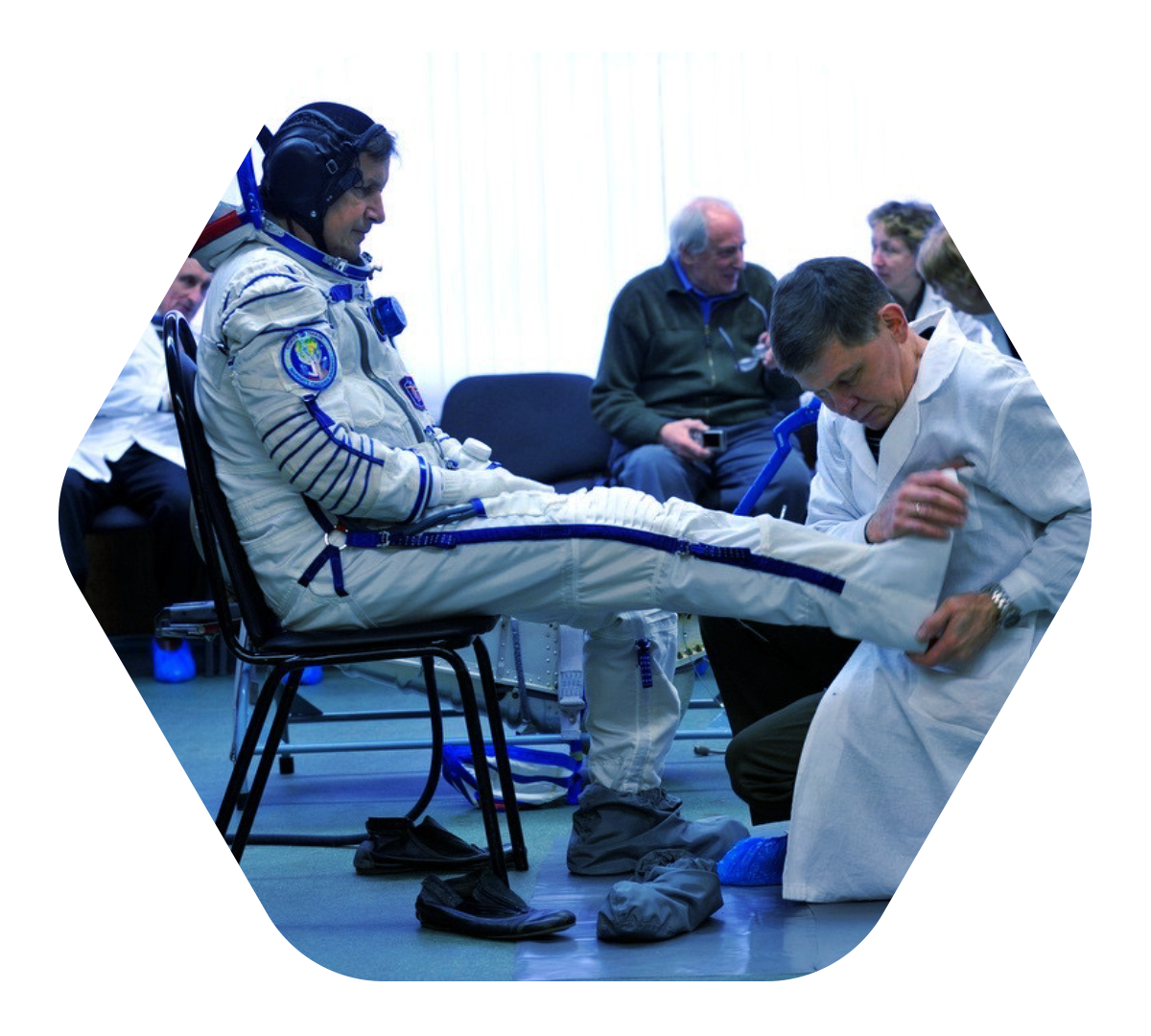
The experience also includes much more than launch day. Preparation, medical guidance, mission briefings and astronaut training all form part of the adventure.
RocketBreaks’ guide to training and preparation for space travel explains why preparation is such an important part of the experience. Training helps participants understand the vehicle, become comfortable with the mission environment and feel ready for the extraordinary moments ahead.
Suborbital Space Flight Begins with Testing
The first Delta-class commercial mission will be an important milestone for Virgin Galactic and the wider space tourism sector.
February 2027 is not a guaranteed operating date. It is the earliest current target, and the company must still complete flight tests and confirm that the spacecraft is ready for commercial service.
That distinction is important for anyone following future missions. Spaceflight schedules can change as testing reveals new information. The responsible approach is to celebrate each milestone while keeping expectations realistic.
The October test campaign will provide the next important evidence. A successful move to Spaceport America, followed by captive-carry and glide testing, would mark visible progress towards the first commercial Delta-class flight.
Next, powered tests will help demonstrate how the spacecraft performs through the most demanding parts of its mission profile. Each stage will bring future astronauts closer to the day when commercial Delta-class operations can begin.
For those who have dreamed about space since childhood, this is a thrilling time to watch the industry develop. The dream is no longer confined to science-fiction films or astronaut selection programmes. It is becoming a real travel possibility for people who are ready to prepare for an extraordinary adventure.
How RocketBreaks can help future astronauts stay ready
At RocketBreaks, we help people understand suborbital space flight and the wider options for space experiences.
As the industry develops, timelines, vehicle testing and booking opportunities can change quickly. Our team follows these developments closely, helping future astronauts understand what each update means and what steps may be useful next.
RocketBreaks can also help aspirants explore the wider world of space travel, from suborbital experiences and astronaut training to Zero-G flights and bespoke preparation programmes.
The latest Virgin Galactic news offers a clear message: the next chapter is taking shape. The first Delta-class commercial flight is now targeted for February 2027, with flight testing expected to begin in October 2026. The date remains subject to testing, but the ambition is moving forward.
So, where might the next great adventure lead?
For anyone ready to look beyond the horizon, contact RocketBreaks to begin exploring how to prepare for this exciting new era of human spaceflight.