
Lunar water matters to scientists considering future activity on the Moon. For decades, scientists believed our lunar neighbour was nothing more than a barren, dusty rock. However, discoveries of lunar water have changed our understanding of the surface. They may also inform future resource-use research.
The excitement around lunar water isn't just academic curiosity. These discoveries inform future mission planning. However, they do not establish affordable lunar holidays. Let's dive into why everyone from NASA to private space companies is absolutely buzzing about H2O on the Moon.
Why Everyone's Talking About Lunar Water
The fundamental reason for all the excitement centres on one simple fact: water is the ultimate game-changer for space exploration. Water can support drinking, oxygen production and some propellant processes. However, different missions use different systems and supplies.
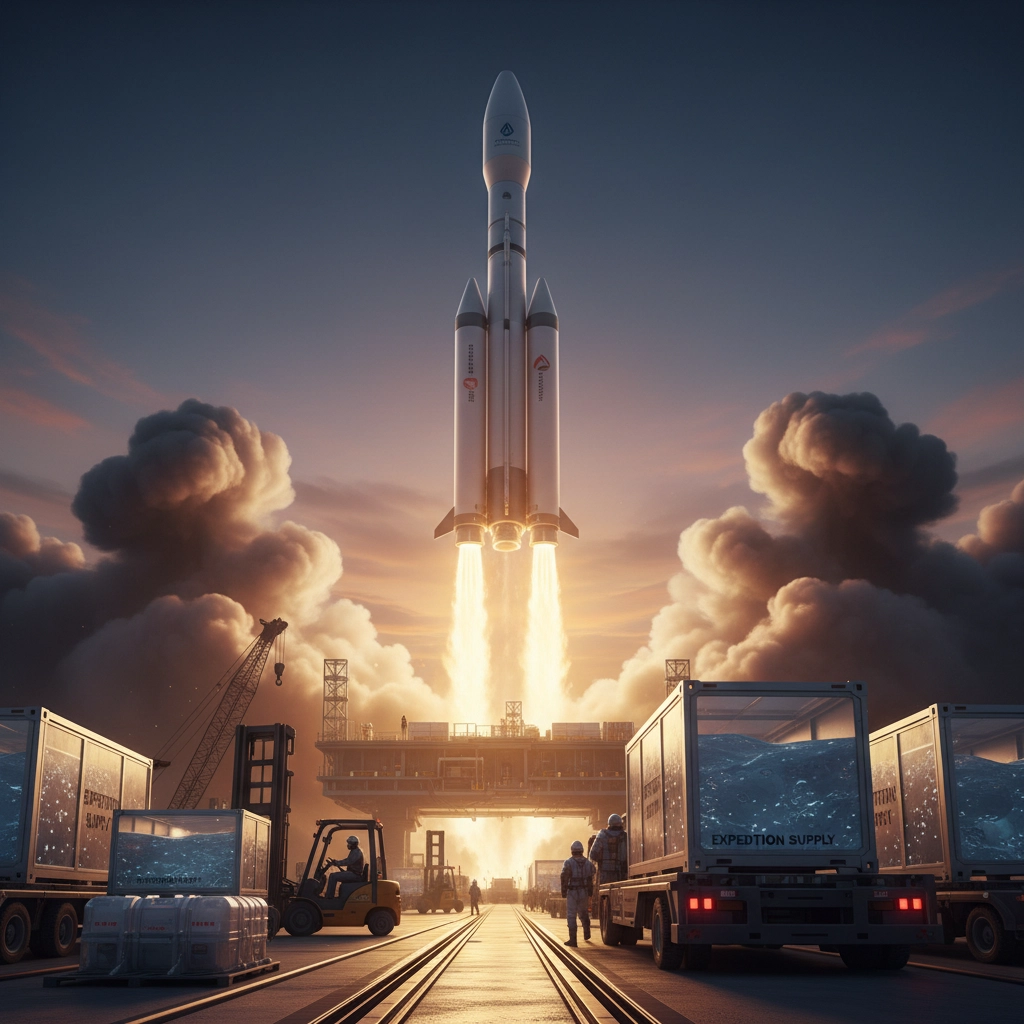
Astronauts use supplies from Earth alongside water recycling systems. In contrast, local lunar resources could offer another option if extraction proves practical. Transporting material to the Moon is demanding and costly. However, if astronauts could extract water directly from the lunar surface, it would revolutionise everything we know about space flight cost and accessibility.
Water isn't just about staying hydrated, either. Scientists can break down H2O into hydrogen and oxygen: the same components that power many rockets. Imagine future space tourists being able to refuel their spacecraft right on the Moon before continuing their journey to Mars or beyond. This could dramatically reduce the travel to space cost and open up possibilities for extended lunar adventures.
Lunar Water Discoveries
For years, scientists working with Apollo mission samples concluded the Moon was essentially bone dry. Those rock samples from the 1960s and 70s showed virtually no water content, creating a scientific consensus that lasted for decades. However, modern technology has completely overturned that understanding.
In 2020, NASA’s SOFIA observatory detected molecular water in the sunlit Clavius Crater. See NASA’s discovery report. Even more surprisingly, this water exists in sunlit areas: not just the permanently shadowed polar regions where scientists expected to find ice deposits.
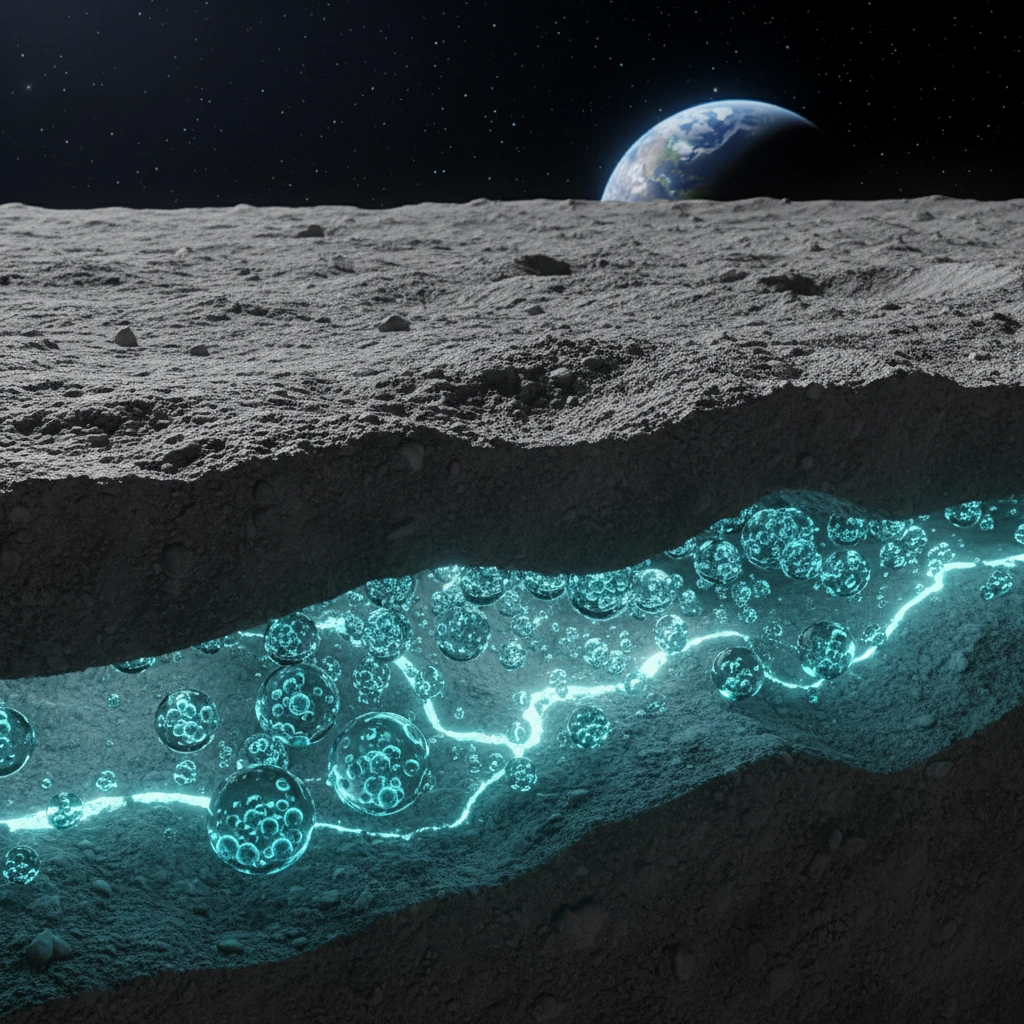
Water may be trapped in impact glass or sheltered between grains of lunar material. Scientists continue to investigate these possibilities. Researchers also study cold, permanently shadowed regions near the poles. These may preserve ice deposits.
Solar wind interactions and impacts are among the processes researchers investigate. However, the origins, storage and availability of water vary across the surface.
What This Means for Space Tourism
These discoveries are already reshaping how space agencies plan future missions, and the implications for space tourism are enormous. NASA’s Artemis programme aims to expand lunar exploration. Resource-use research may inform later missions, but initial crews still require planned supplies and life support.
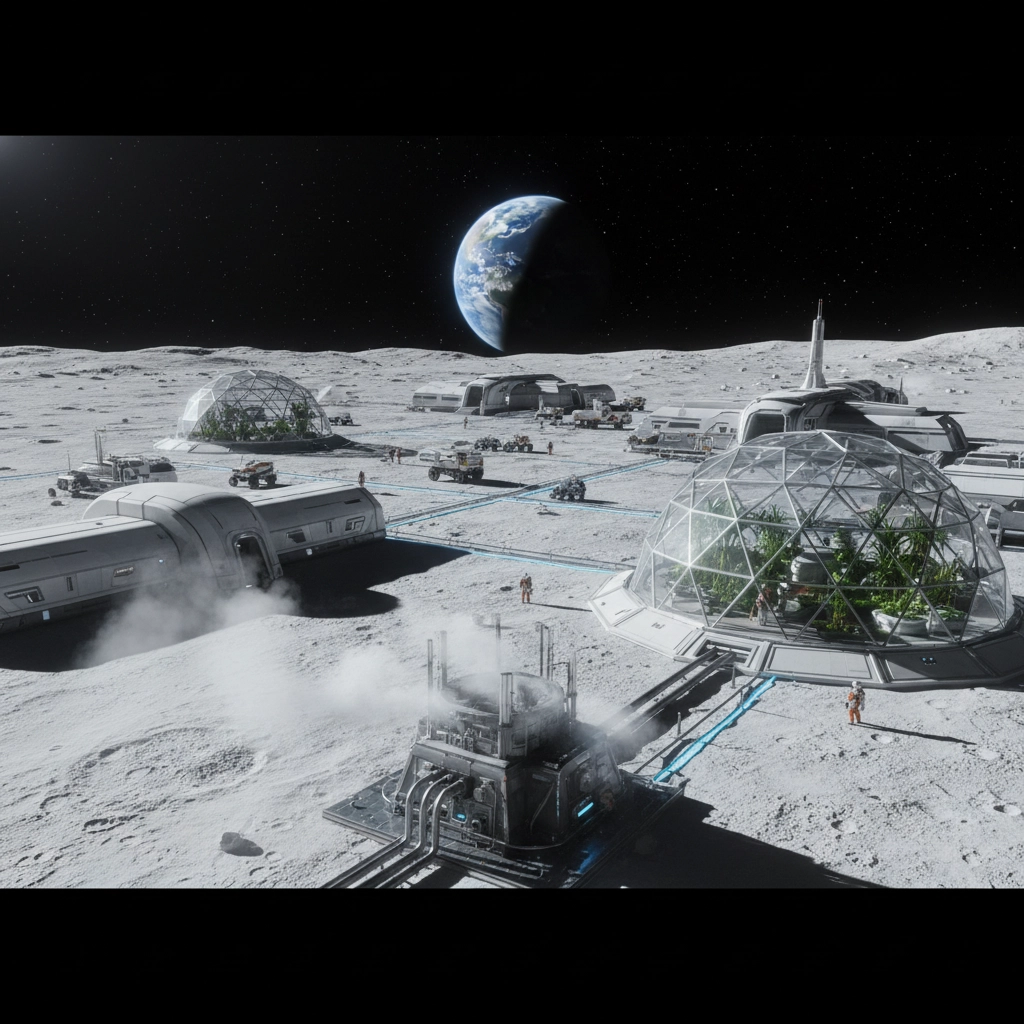
Rather than quick Apollo-style visits, Artemis envisions astronauts living and working on the Moon for extended periods. Researchers are investigating extraction and processing methods. Potential uses include drinking supplies, breathable oxygen and propellant production. This concept of "living off the land" in space could make suborbital space flight seem quaint by comparison.
The economic implications are staggering. Currently, launching supplies to the Moon costs astronomical amounts, but lunar water extraction could create the first truly sustainable off-world resource economy. Future space tourists might find themselves staying at lunar hotels that produce their own water, oxygen, and even fuel: dramatically reducing operational costs.
For adventurous travellers wondering how much it costs to go to space, these developments suggest prices could eventually come down significantly. When spacecraft can refuel on the Moon rather than carrying everything from Earth, the economics of space travel change fundamentally.
Lunar Water Research and Future Missions
Lunar Trailblazer launched in February 2025 to investigate lunar water. However, operators lost contact the next day. NASA ended the mission on 31 July 2025 after recovery efforts failed.
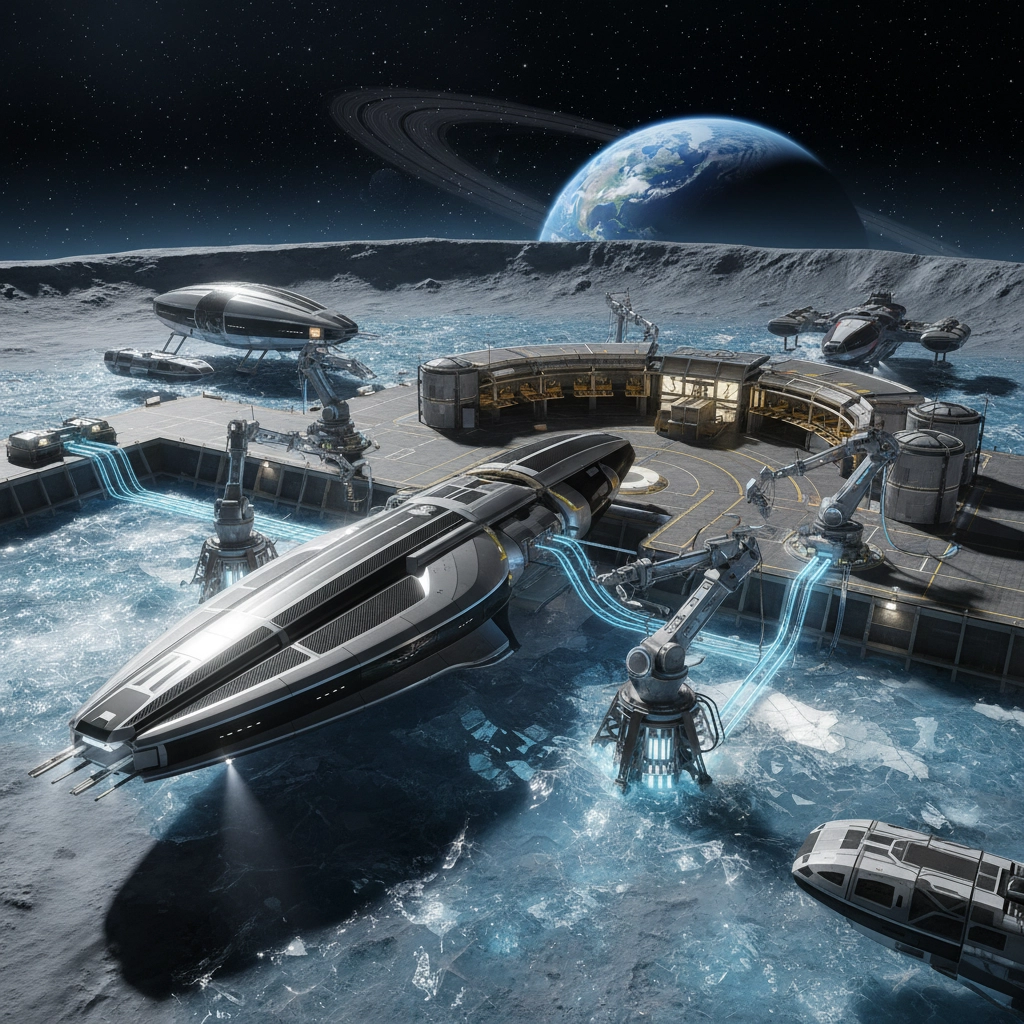
Multiple countries, including China, are racing to extract water from the lunar surface. The nation that masters lunar water extraction first will have enormous advantages in space exploration, potentially offering more affordable access to lunar tourism and beyond.
A future lunar propellant system is an engineering proposal, rather than a bookable passenger service. Picture staying at a lunar base where the water you drink and the oxygen you breathe were extracted from the ground beneath your feet. These scenarios are moving from science fiction to engineering challenges that teams are actively solving.
The ripple effects extend far beyond just lunar tourism. A Moon with accessible water resources becomes a stepping stone to Mars and the asteroid belt. Space tourists of the future might find themselves choosing between quick suborbital space flight experiences and extended interplanetary adventures that use the Moon as a cosmic service station.
Looking Up at the Future
The hype around lunar water represents more than just scientific excitement: it's genuine optimism about humanity's expanding presence in space. Nevertheless, extraction, infrastructure and passenger access remain separate challenges.
As extraction technologies develop and lunar infrastructure grows, the dream of extended holidays in space becomes increasingly realistic. The Moon could transform from a distant destination into a waystation for even grander adventures throughout the solar system.
For those curious about space exploration today, companies like RocketBreaks are already helping people experience the wonder of spaceflight. While we're still years away from lunar water extraction revolutionising space tourism, the foundation is being laid right now.
The next time you look up at the Moon, remember: there's water up there, and it might just be the key to making space adventure accessible to everyone. The universe is getting closer, one discovery at a time.