
Virgin Galactic’s New Research Partnership: Space Travel With a Scientific Purpose
The Virgin Galactic research partnership with the US Air Force Research Laboratory could give its future spaceflights another important role: helping scientists understand the conditions above our planet.
Announced on 14 October 2026, the two-year agreement will explore using Virgin Galactic’s next-generation spaceships to collect space-weather data. For people following the development of commercial space travel, it is a reminder that these vehicles could carry much more than passengers.
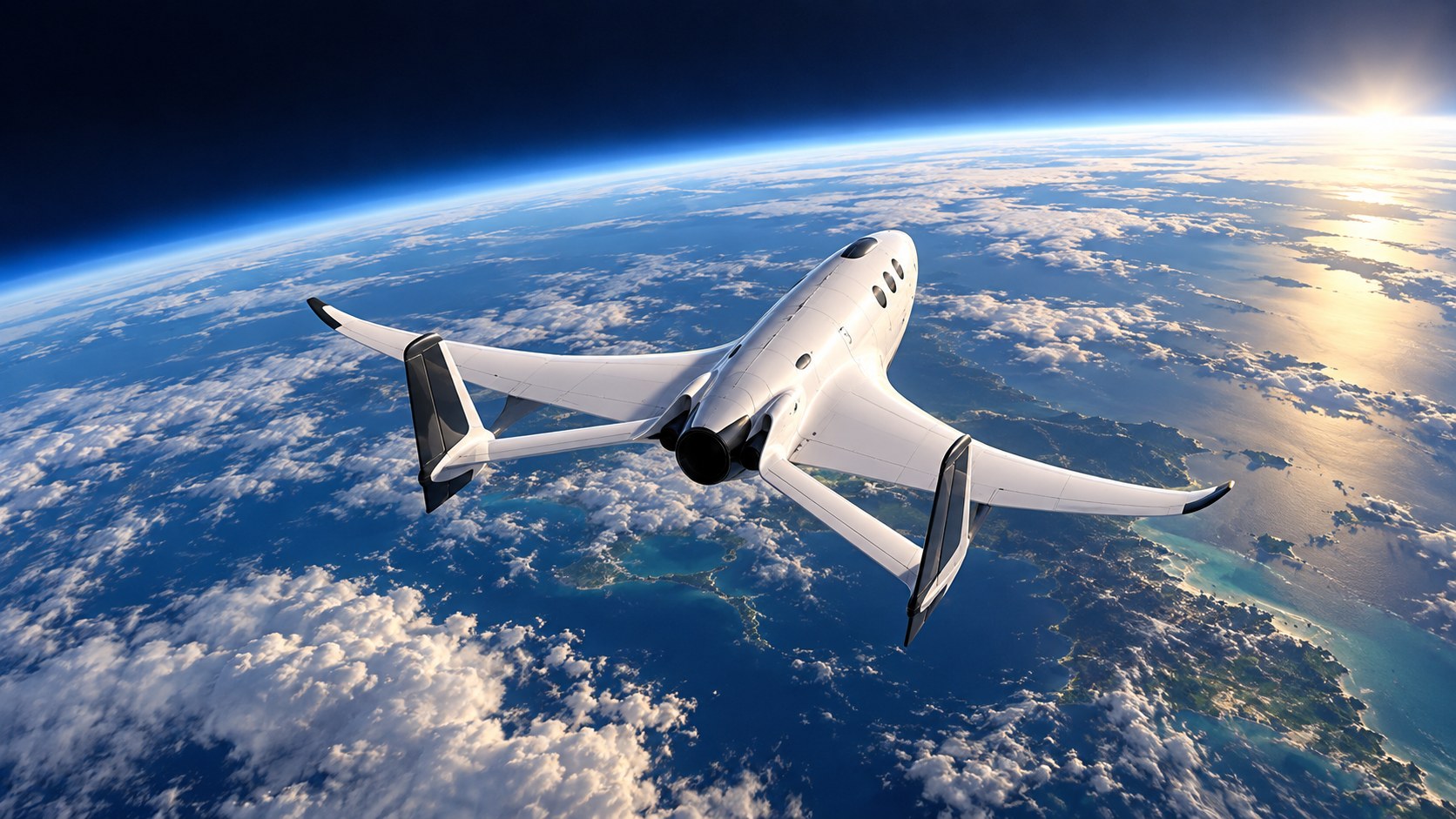
What will the Virgin Galactic research partnership involve?
Virgin Galactic and the Air Force Research Laboratory’s Space Warfare Directorate will evaluate how sensor systems could be integrated with the company’s new spaceships.
The aim is to gather observations during flight and improve understanding of how space weather affects infrastructure in space.
The research will focus on the mesosphere and lower thermosphere, a region of the upper atmosphere where consistent observational data remains limited. Virgin Galactic’s flight profile could offer scientists a useful way to study this environment.
This is an agreement to investigate and develop that capability. It does not mean the sensors have already flown or that a dedicated research mission has been booked.
Why does space weather matter?
Activity from the Sun can affect satellites, communications and navigation systems. Understanding those effects matters well beyond the space industry, because so much of everyday life depends on reliable technology above Earth.
Better observations could help researchers understand the conditions these systems encounter and inform efforts to protect them.
Virgin Galactic’s proposed contribution is to provide another platform for gathering that information, using vehicles also being developed for commercial human spaceflight.
Virgin Galactic research partnership: what it means for travellers
For future passengers, the appeal of space travel is deeply personal: seeing Earth from above, experiencing weightlessness and taking part in something few people have experienced.
The Virgin Galactic research partnership adds a wider scientific context to that journey.
A commercial spacecraft can potentially serve several markets, including private passengers, researchers and government organisations. Developing those different uses could help operators build a broader business, although this announcement alone does not establish future revenue or financial security.
It also raises an interesting question for the years ahead: could some passenger flights carry instruments collecting useful scientific data? That possibility is worth watching, but arrangements for this particular programme have not been announced.
Does it change when passengers can fly?
The announcement does not introduce a revised passenger launch date, new ticket prices or additional seats.
Research partnerships and passenger readiness are separate milestones. Flight testing, regulatory requirements and confirmed booking arrangements remain essential when assessing any future journey. Read our Virgin Galactic bookings update for more on the passenger side.
At RocketBreaks, we follow both sides of the story: the experiences commercial space travel could offer and the practical progress needed to make those experiences available.
This latest agreement is a concrete development in Virgin Galactic’s research programme. For travellers, it offers another reason to follow the next chapter of commercial spaceflight with interest.
Interested in a future space experience? Contact RocketBreaks to discuss the possibilities and the latest confirmed availability.
Source: Virgin Galactic’s official announcement, 14 October 2026.