
Have you ever wondered what it would take to make Moon holidays as safe as boarding a commercial flight? NASA's Moon landing technology is rapidly advancing to make that dream a reality. Right now, engineers at NASA's Langley Research Center are conducting groundbreaking plume-surface interaction tests that could revolutionize how we land on the lunar surface: and therefore, how safely future tourists might one day explore the Moon.
These aren't just abstract experiments in a lab. NASA is testing real spacecraft landing systems to understand exactly what happens when rocket engines blast lunar dust and debris during touchdown. The results will directly impact upcoming Artemis missions and, eventually, the safety standards for commercial lunar tourism.
What Exactly Is Plume-Surface Interaction?
Let's break this down in simple terms. When a spacecraft lands on the Moon, its engines fire downward to slow the descent. However, unlike Earth, the Moon has no atmosphere to cushion this process. The rocket exhaust: called a plume: hits the lunar surface with tremendous force, creating a massive cloud of dust, rocks, and debris that can fly in all directions at dangerous speeds.
This phenomenon creates several serious challenges. First, the debris cloud can damage the spacecraft itself or nearby equipment. Second, it reduces visibility to near zero, making precision landing extremely difficult. Finally, the flying rocks and dust pose significant risks to astronauts, equipment, and potentially future lunar infrastructure.
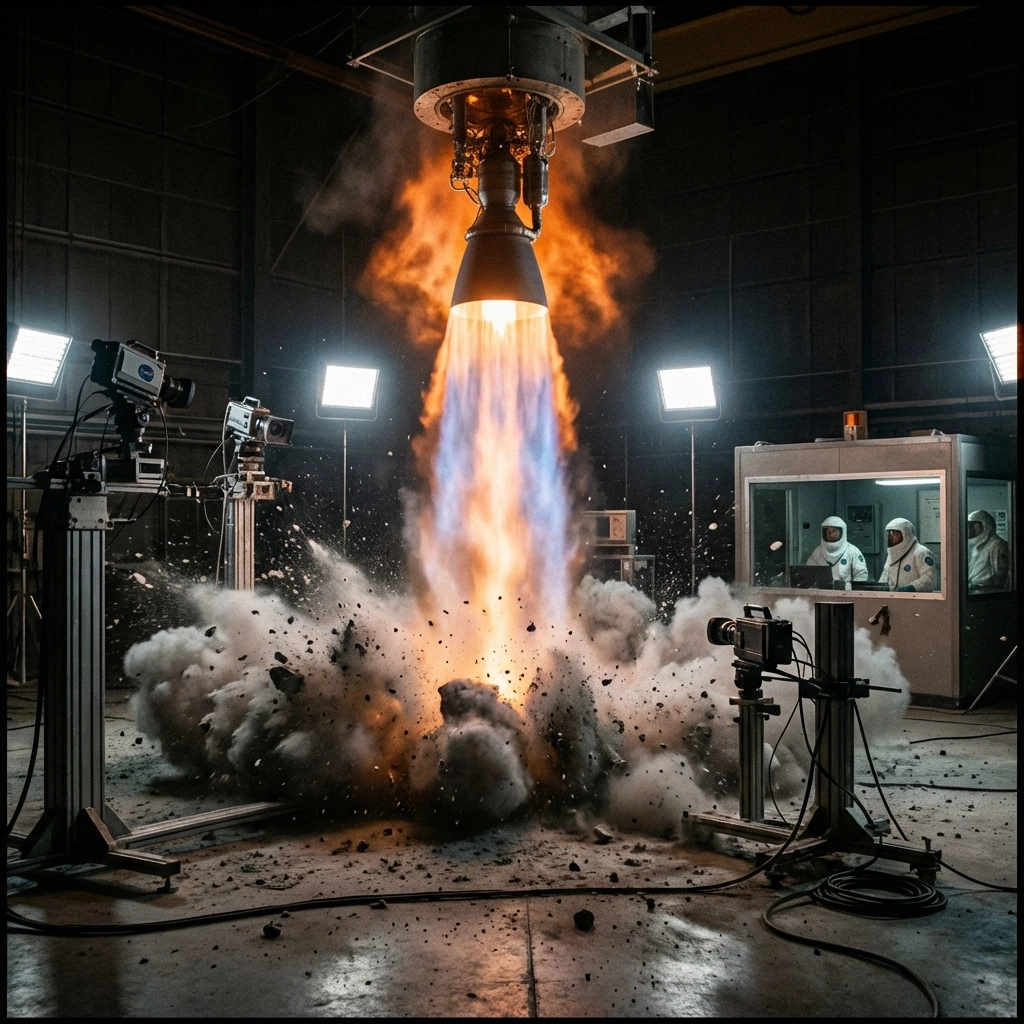
NASA's current tests at Langley involve firing scaled rocket engines at simulated lunar surfaces to measure exactly how much debris gets kicked up, how far it travels, and what damage it might cause. These experiments use high-speed cameras and specialized sensors to capture every detail of what happens during those critical moments of touchdown.
Why This Technology Matters for Artemis Missions
The Artemis program represents NASA's ambitious plan to return humans to the Moon by the mid-2020s. However, unlike the Apollo missions of the 1960s and 70s, Artemis aims to establish a sustainable lunar presence. This means multiple landings, permanent bases, and eventually, regular human traffic to and from the Moon.
For Artemis to succeed, NASA needs landing systems that are not only safe but also predictable and repeatable. The plume-surface interaction research directly addresses these needs by helping engineers design better landing procedures and protective systems.
Moreover, Artemis missions will land in the lunar South Pole region, where terrain is more challenging and lighting conditions are often poor. The enhanced landing precision and safety measures developed through this research become even more critical in these harsh environments.
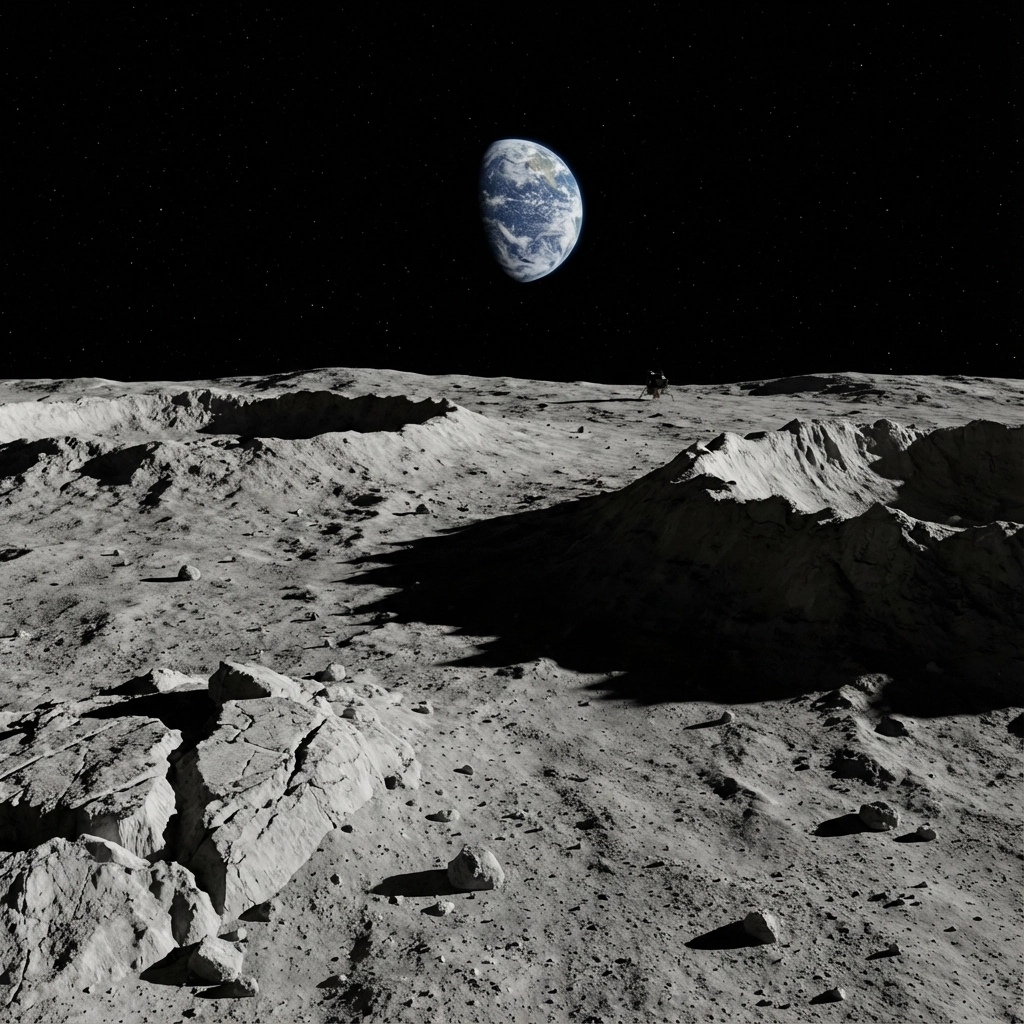
The data from these tests is already being used to refine the design of the Human Landing System (HLS), which will carry astronauts from lunar orbit down to the surface. By understanding plume interactions, NASA can optimize engine placement, develop better landing gear, and create protective systems that shield both crew and equipment from debris.
Making Lunar Tourism Safer Through Advanced Landing Technology
Here's where things get exciting for future space travelers. The same NASA Moon landing technology being developed for Artemis will directly benefit commercial lunar tourism. Every safety improvement, every landing precision enhancement, and every debris mitigation system developed for NASA missions becomes available for private space companies to adopt and refine.
Consider what this means for your future Moon holiday. Current plume-surface interaction research is helping develop landing systems that can touch down within 50 meters of a targeted site: that's roughly half the length of a football field. This precision means tourist landers can safely land near lunar hotels, research stations, or scenic locations without risking damage to existing infrastructure.
Furthermore, NASA's debris mitigation research is leading to the development of protective landing pads and deflection systems. Future lunar tourist destinations might feature specially prepared landing zones with engineered surfaces that minimize dust clouds and debris scatter.
The research is also informing the development of better landing sensors and automated systems. These technologies reduce the workload on pilots and increase safety margins: crucial factors when you're dealing with paying customers rather than highly trained astronauts.
The Bigger Picture: Building Lunar Infrastructure for Tourism
NASA's plume-surface interaction studies are contributing to a much larger vision of lunar development. As we better understand how to land safely and repeatedly on the Moon, we're also learning how to build sustainable lunar infrastructure.
This research informs decisions about where to place lunar bases, how to design protective structures, and how to create safe zones for multiple spacecraft operations. Eventually, this could lead to dedicated spaceports on the Moon, complete with prepared landing pads, fuel stations, and passenger terminals.
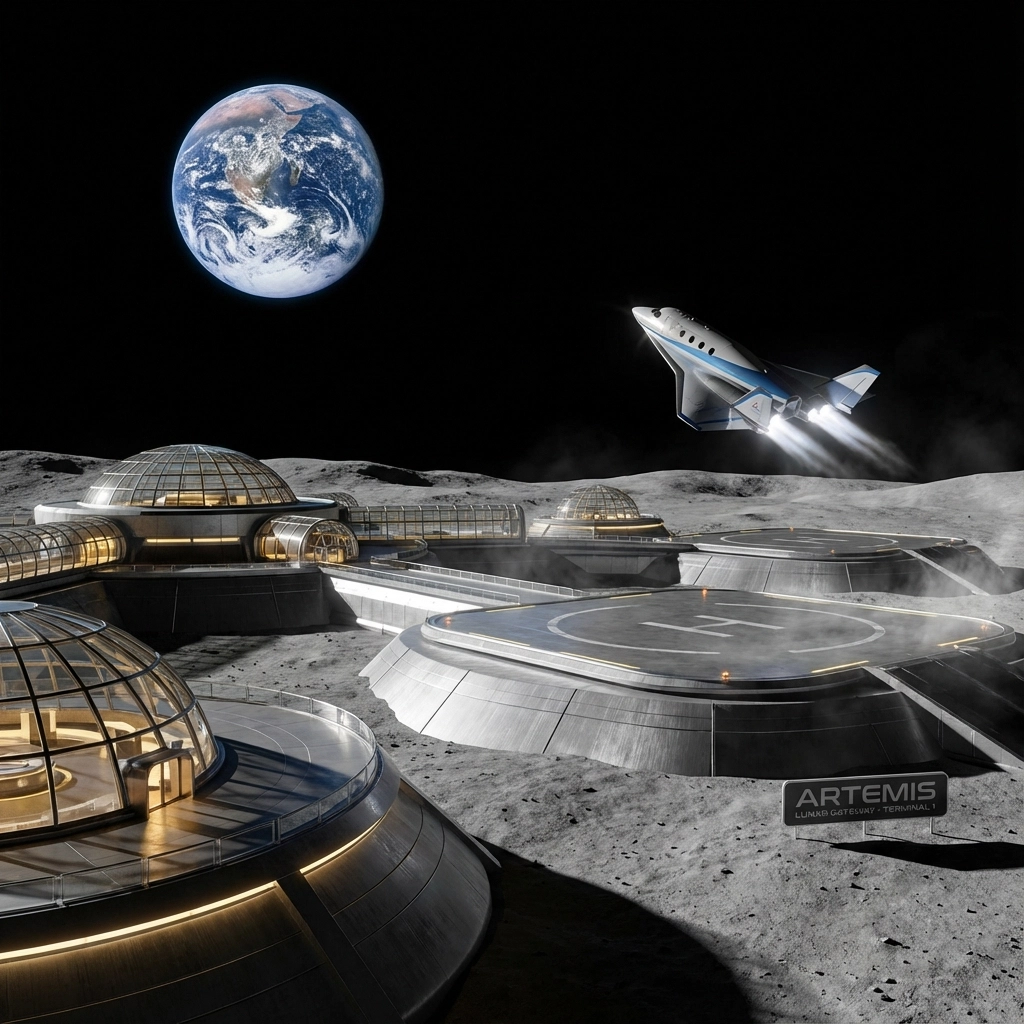
The implications extend beyond just landing technology. Understanding plume interactions helps engineers design better dust control systems, protective barriers for lunar habitats, and maintenance procedures for equipment exposed to repeated landing operations. All of these developments make long-term lunar tourism more viable and appealing.
NASA's work is also pioneering the use of in-situ resource utilization (ISRU) techniques, which involve using lunar materials to create landing infrastructure. This could dramatically reduce the costs and complexity of establishing tourist facilities on the Moon.
What This Means for Future Space Travelers
The advances in NASA Moon landing technology represent a fundamental shift in how we approach lunar access. What once required months of training and acceptance of significant personal risk is becoming more like sophisticated commercial aviation.
However, these technological improvements also open up entirely new possibilities for lunar experiences. Precision landing capabilities mean tourists could visit specific geological features, historical Apollo landing sites, or unique locations on the lunar surface. Advanced safety systems make it possible to consider longer stays and more ambitious lunar activities.
The debris mitigation research is particularly important for repeat visitors and extended lunar stays. As tourism operations become more frequent, the cumulative effects of multiple landings could create hazardous conditions without proper management. NASA's current research is laying the groundwork for sustainable lunar tourism that doesn't degrade the environment or create safety hazards over time.
Additionally, the automated systems and enhanced sensors being developed through this research could eventually enable partially automated lunar landings, reducing the specialized training required for space tourists and making the experience more accessible to a broader range of people.
Looking Toward Tomorrow's Lunar Adventures
As NASA continues refining its Moon landing technology through plume-surface interaction research, we're witnessing the foundation being laid for a new era of human space exploration. The safety improvements, precision enhancements, and infrastructure developments emerging from this work will directly benefit future lunar tourists.
The transition from experimental space missions to commercial lunar tourism isn't just about having the right spacecraft: it's about having the right supporting technology, safety systems, and operational procedures. NASA's current research is developing exactly these elements, creating a comprehensive framework for safe, reliable, and repeatable lunar operations.
Moreover, the lessons learned from lunar operations will inform future missions to Mars and other destinations, as explored in our previous coverage of Mars colonization efforts. The technologies being developed today for Moon landings will likely be adapted and enhanced for even more ambitious destinations.
The integration of artificial intelligence in future space missions is also playing a crucial role in these developments, helping process the vast amounts of data generated by plume-surface interaction tests and optimizing landing procedures in real-time.
As we've seen with Europe's growing lunar ambitions, the international space community is working together to make lunar tourism a reality. NASA's research contributes to this global effort by establishing safety standards and operational procedures that can be adopted worldwide.
The dream of lunar holidays is no longer a matter of "if" but "when." Thanks to NASA's ongoing research into Moon landing technology, that "when" is looking increasingly promising. The careful, methodical work being done today in laboratories and test facilities is paving the way for tomorrow's lunar adventures.
Ready to stay updated on the latest developments in space tourism and lunar travel? Visit RocketBreaks to explore how these technological advances are bringing us closer to your next extraordinary adventure among the stars.