
Can you believe it's been almost 10 years since Tim Peake blasted off into space? As we approach December 15th, 2025, it marks exactly a decade since Britain's first European Space Agency astronaut launched toward the International Space Station, forever changing how we think about space access. His incredible journey didn't just make history: it helped pave the way for the space tourism revolution we're witnessing today.
The Launch That Changed Everything
Picture this: December 15, 2015, 11:03 GMT. Tim Peake, strapped into a Soyuz TMA-19M spacecraft at Baikonur Cosmodrome, was about to become something extraordinary: the first British ESA astronaut and the first British person to fly into space without a private contract or foreign citizenship. This wasn't just another space mission; it was a moment that proved space wasn't exclusively reserved for superpowers anymore.
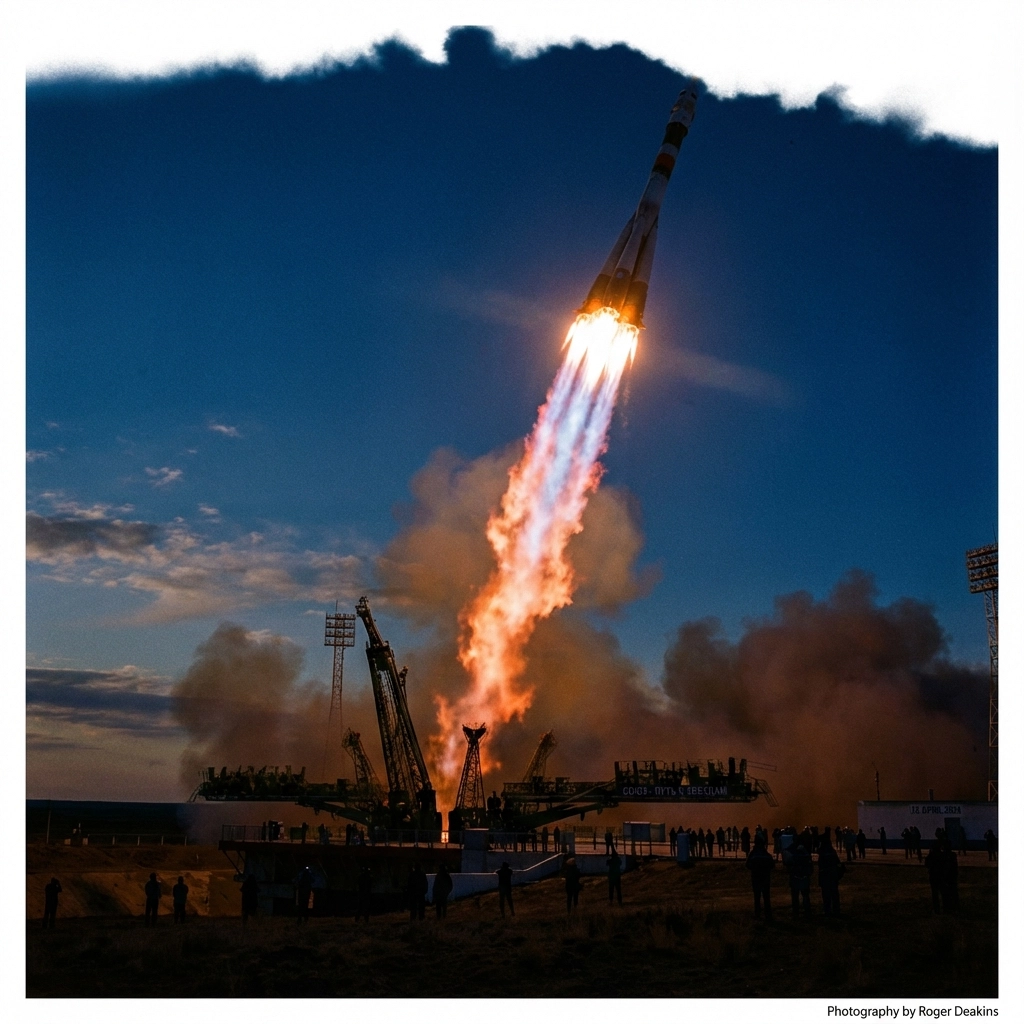
The launch itself was nail-biting drama. Alongside crewmates Tim Kopra and Yuri Malenchenko, Peake experienced what every space traveler dreams of: that incredible acceleration as the rocket punched through Earth's atmosphere. However, their docking with the ISS nearly six hours later turned into an edge-of-your-seat moment when the Kurs navigation system failed, forcing commander Malenchenko to dock manually. Talk about adventure!
Six Months of Pure Space Magic
What happened during Peake's 186-day mission reads like the ultimate space tourism itinerary. He completed approximately 3,000 orbits of Earth, covering an astounding 125 million kilometers. But beyond the impressive numbers, it's what Peake actually did up there that captures the imagination of anyone dreaming of their own space adventure.
Breaking Boundaries in the Cosmic Void
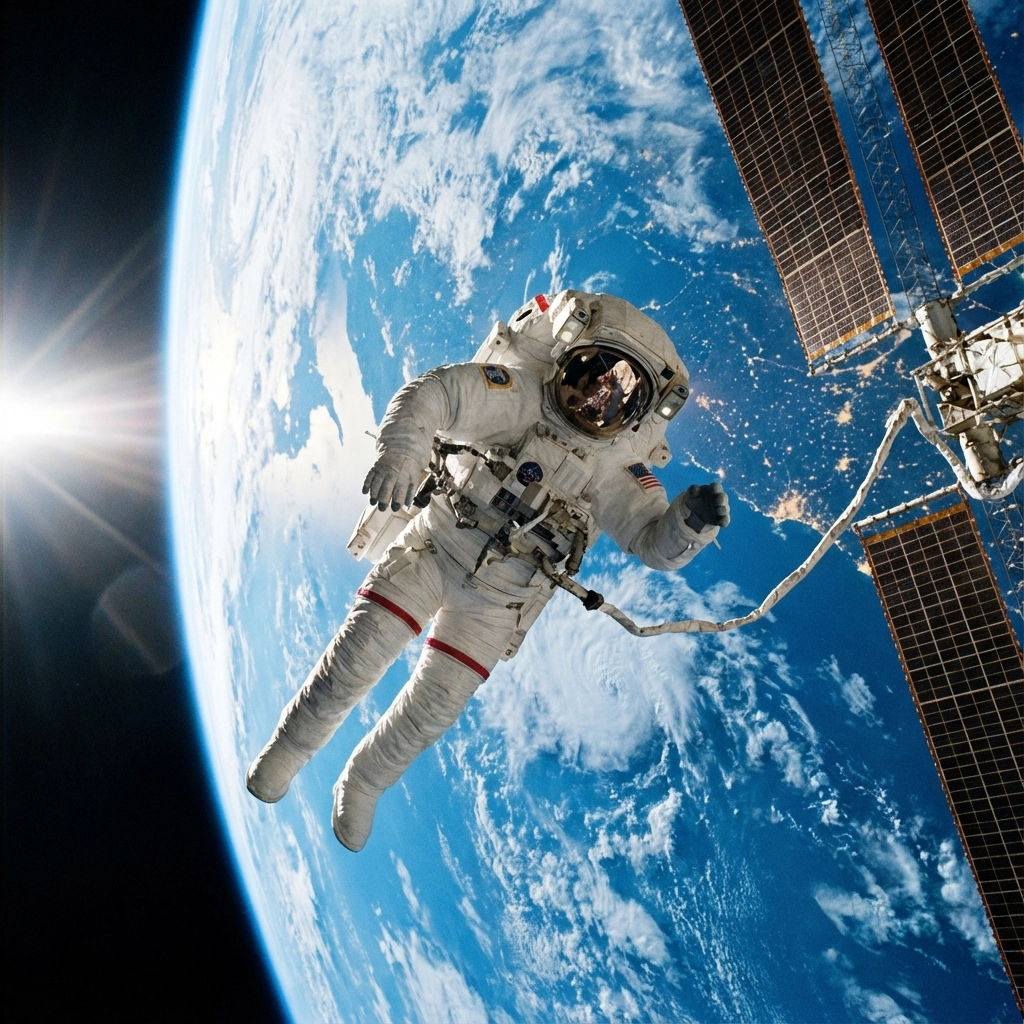
On January 15, 2016, Peake made history again by becoming the first British astronaut to perform a spacewalk outside the ISS. Imagine floating in the vacuum of space, nothing but your spacesuit between you and the infinite cosmos, while Earth spins majestically below. He spent hours replacing a faulty sequential shunt unit on the station's solar arrays: technical work, yes, but also an experience that redefined what it means to have the ultimate office view.
The Marathon That Inspired Millions
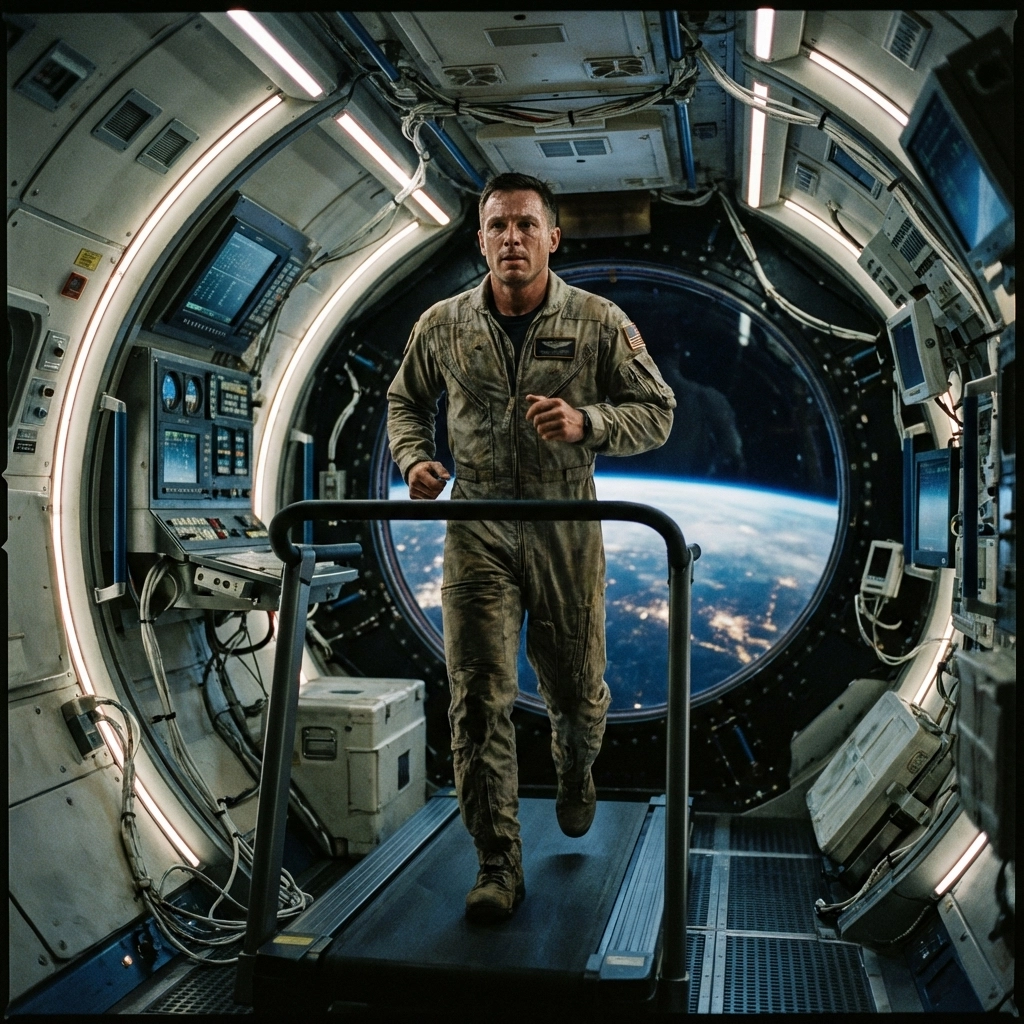
Here's where Peake's mission gets really inspiring for future space tourists. On April 24, 2016, he did something absolutely brilliant: he ran the London Marathon from the ISS treadmill, becoming the first man to run a marathon from space. This wasn't just a publicity stunt; it demonstrated that space could be a place for extraordinary human experiences, not just scientific research.
Think about it: while thousands of runners pounded the streets of London below, Peake was logging his 26.2 miles while orbiting at 17,500 mph, 400 kilometers above Earth. Every 15 minutes, he completed one orbit, witnessing 16 sunrises and sunsets during his cosmic marathon. Now that's what we call taking your fitness routine to the next level!
What Tim Peake's Mission Means for Space Tourism Today
Tim Peake's anniversary isn't just about celebrating one man's achievement: it's about recognizing how his mission helped normalize the idea that space is accessible to more than just test pilots and hardcore scientists. His journey demonstrated several crucial points that directly connect to today's space tourism industry.
Space as an Experience Destination
Peake's mission proved that the International Space Station isn't just a laboratory: it's a destination where humans can thrive, exercise, conduct meaningful work, and create unforgettable memories. This shift in perception laid crucial groundwork for companies developing space tourism experiences. When someone can run a marathon in space, it suggests that space can accommodate a wide range of human activities and interests.
International Cooperation Opens Doors
The collaboration between European, American, and Russian space programs that made Peake's mission possible created a template for how space can serve multiple stakeholders. This cooperative framework eventually enabled commercial space companies to argue for their own access to space infrastructure, leading to the partnerships we see today between government agencies and private space tourism operators.
Ordinary People, Extraordinary Adventures
Perhaps most importantly, Peake represented something new: he wasn't selected primarily for his military background or test pilot experience, but as part of ESA's broader approach to space exploration. This signaled that space access was expanding beyond traditional astronaut profiles: a crucial step toward the civilian space travelers we see launching with companies today.
As we've explored in Italy's space economy developments, European nations are increasingly viewing space not just as a scientific frontier but as an economic and experiential one. Peake's mission was an early example of this shifting perspective.
The Legacy Living On
When Peake returned to Earth on June 18, 2016, he brought back more than scientific data: he brought back stories, experiences, and a profound shift in how Britain viewed its relationship with space. His mission helped establish the cultural and technical foundations that today's commercial space industry builds upon.
The recognition he received: including appointment as a Companion of the Order of St Michael and St George and the Freedom of the City of Chichester: underscored that his contributions transcended technical achievement. They represented a nation's pride in expanded participation in humanity's greatest adventure.
Today, as we witness the rise of space tourism and companies offering everything from suborbital flights to orbital experiences, Peake's decade-old mission serves as a reminder that space was never meant to be an exclusive domain. His achievements helped prove that with the right preparation, technology, and partnerships, extraordinary space experiences are within reach for more people than ever before.
Looking Toward Tomorrow's Space Adventures
As we celebrate Tim Peake's anniversary, we're also looking toward a future where his pioneering spirit lives on in every civilian who follows in his footsteps. The same sense of wonder that drove Peake to space: that insatiable human curiosity about what lies beyond our planet: continues to drive the space tourism industry forward.
The technological advances and safety protocols developed for missions like Peake's are making space travel safer for future space tourists. Every lesson learned, every system improved, every boundary pushed during his mission contributes to making space more accessible for the rest of us.
Have you ever wondered what it would feel like to see Earth from Tim Peake's perspective? To experience that profound shift in awareness that comes from viewing our planet as a small, beautiful sphere floating in the cosmic dark? Thanks to pioneers like Peake, that experience is no longer confined to professional astronauts.
At RocketBreaks, we understand that Tim Peake's legacy isn't just historical: it's aspirational. His mission reminds us that the most extraordinary adventures are often just one bold decision away. As we mark this incredible anniversary, we're inspired by his courage and excited about helping others write their own space stories.
The final frontier isn't so final anymore, and Tim Peake's anniversary reminds us exactly why that matters.